


Governor Wes Moore and the Maryland Department of General Services announced a 20-year agreement to purchase solar energy generated in Western Maryland, a deal state officials say could save Maryland about $300 million while expanding the state's use of renewable energy.
Here's what to know
Approved by the Maryland Board of Public Works, the deal allows the state to buy electricity from REV Renewables' Jade Meadow III Solar Project, Gov. Wes Moore and Maryland's Department of General Services said, according to MoCoShow.
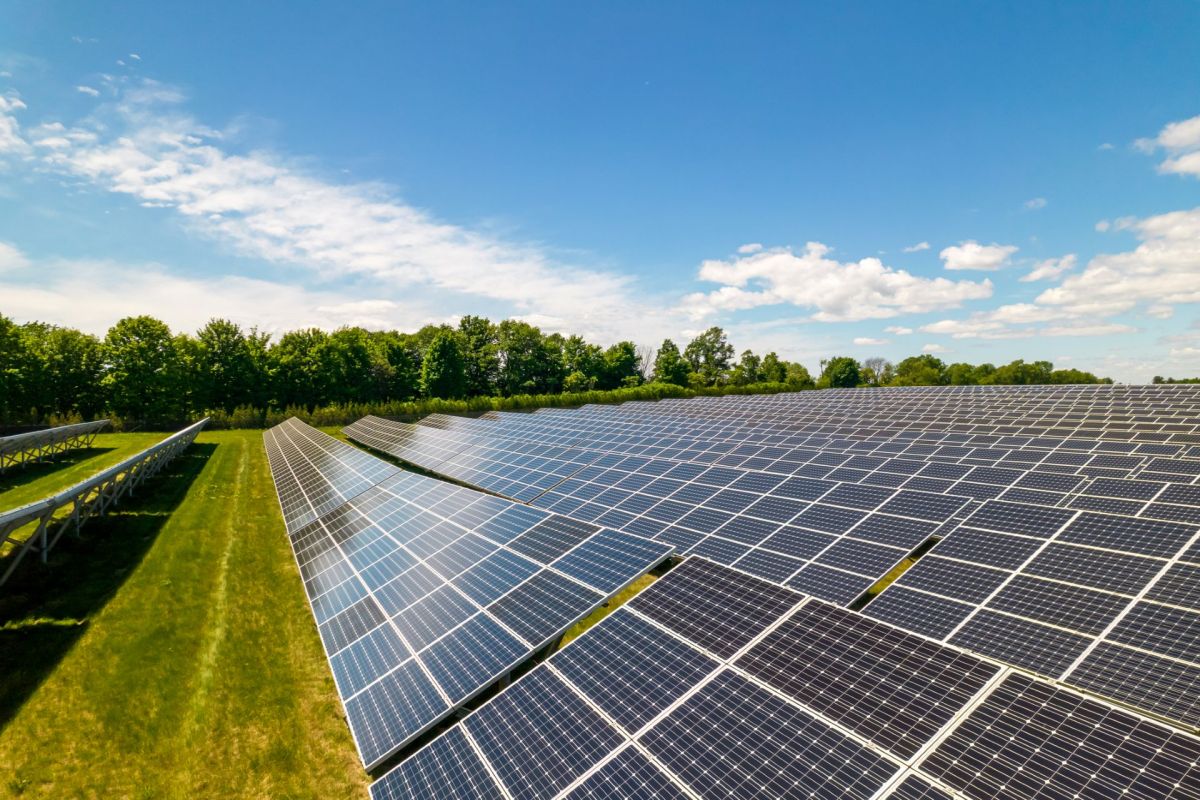
The outlet reported that in the beginning in 2028, DGS plans to use about half of the project's electricity for state energy accounts. The 300-megawatt solar installation, set to be built mostly on a reclaimed coal mine in Garrett County, is expected to produce roughly 250,000 megawatt-hours of renewable power each year.
Depending on how future electricity markets develop, officials said the 20-year agreement may save Maryland between $298 million and $515 million.
Officials said that the yearly purchase would equal the electricity used by more than 20,000 homes and, starting in 2028, would make up nearly 15% of the state's electricity portfolio.
More background
The agreement illustrates how states can use 20-year contracts to secure cleaner energy at more predictable prices.
TCD Picks » Quince Spotlight
💡These best-sellers from Quince deliver affordable, sustainable luxury for all




Maryland also said the deal would significantly expand its direct renewable energy procurement, doubling the amount of renewable electricity it currently buys through power purchase agreements.
Building the project primarily on a reclaimed coal mine would turn a former fossil fuel site into a source of solar generation rather than developing untouched land.
Lower energy costs for government operations can ease pressure on public budgets, while more renewable power can help curb pollution linked to conventional electricity generation.
What's being done?
Maryland is signing a 20-year clean energy contract to lock in supply and pricing years in advance. In this case, the purchase begins in 2028 and gives the state a major source of renewable power for two decades.
The agreement ties climate goals to budget goals. The state is presenting clean energy as an operational decision that could deliver major financial returns.
Large-scale solar projects can offer benefits beyond rooftop panels. Utility-scale developments can add substantial amounts of clean electricity to the grid, support the redevelopment of underused land, and potentially help stabilize energy costs over time.
If the state's estimates hold, the agreement could show how public agencies use clean energy procurement to save money while expanding renewable power. It also reflects how the transition to cleaner electricity is increasingly being framed as an economic strategy, not just an environmental one.

Get TCD's free newsletters for easy tips, smart advice, and a chance to earn $5,000 toward home upgrades. To see more stories like this one, change your Google preferences here.






