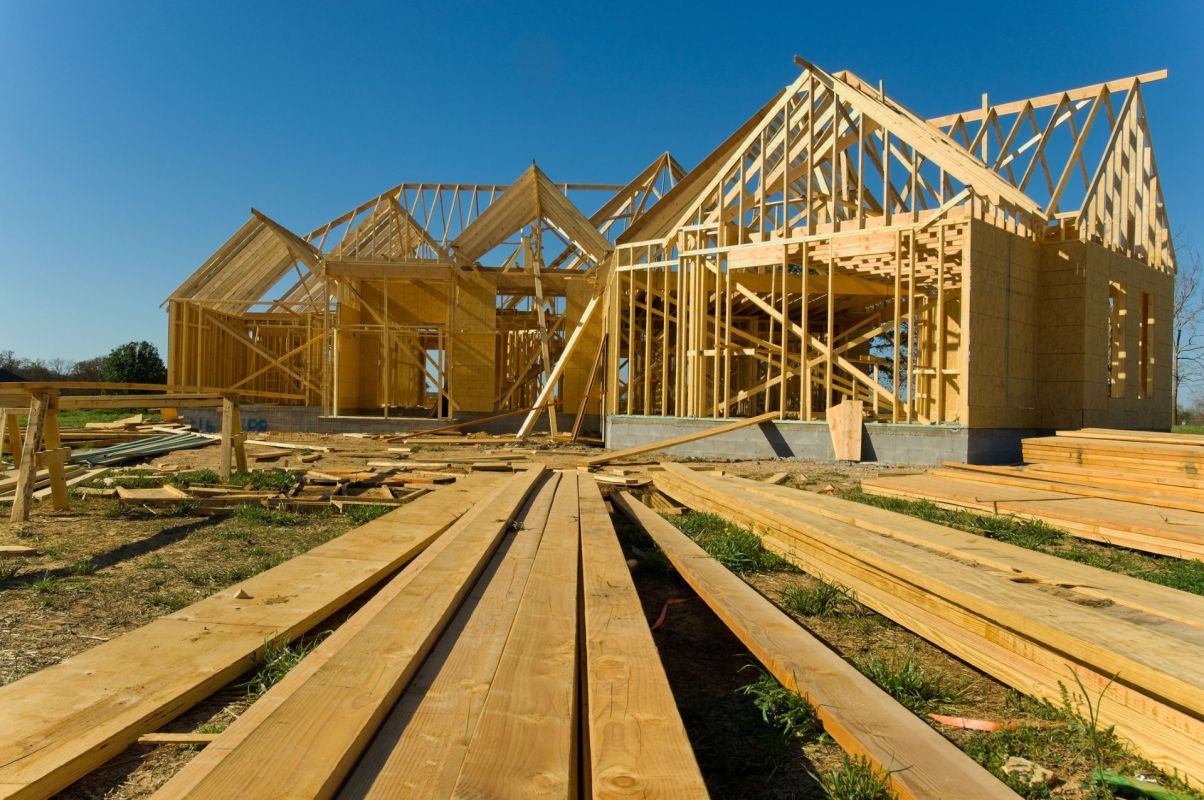
Utah is preparing for a major homebuilding wave, with Gov. Spencer Cox pushing for 150,000 new homes.
But climate advocates say the type of housing built will matter just as much as the number of homes completed, since houses powered by fossil fuels could leave buyers facing higher costs for decades.
Here's what to know
According to Yale Climate Connections, the non-profit Utah Clean Energy is pushing for new housing in the state to combine energy efficiency with all-electric equipment and clean power sources such as solar.
To support that effort, the nonprofit has rolled out an online toolkit for both builders and buyers. It covers how low-emission homes can be designed and constructed, along with the financial tradeoffs involved in choosing electric appliances and HVAC systems instead of fossil-fuel equipment.
Kevin Emerson, with Utah Clean Energy, said of efficient, climate-friendly homes: "They have very low utility bills."
In a fast-growing state, those building choices can shape costs and emissions for years. If many homes go up with gas-powered systems and weak insulation, residents could remain stuck with higher monthly energy bills and more planet-warming pollution long after the construction surge is over.
TCD Picks » Quince Spotlight
💡These best-sellers from Quince deliver affordable, sustainable luxury for all




More background
Once a furnace, water heater, or stove is installed, replacing it later can be expensive. Building all-electric from the start can help homeowners avoid those future retrofit costs.
Lower utility bills can create more room in a family budget, while cleaner energy use can help reduce pollution linked to home heating and electricity.
By including case studies and planning information, the toolkit is meant to make these features easier to ask for, especially for buyers who may not know what to raise with contractors before construction starts.
What's being done?
Utah Clean Energy's main strategy is education. The idea is that if prospective buyers have practical information, more of them will begin seeking out efficient construction and electric appliances when buying a new home.
The toolkit is also intended to help contractors who want to build this way but need more specific direction, since changing the standard for new homes often depends on both buyer demand and builder confidence.
Emerson said, as Yale Climate Connections reported, the toolkit also explains "the financial considerations, the rapid payback as well as the incremental construction costs, but how that all in the end makes a lot of sense and makes these homes very economical for buyers."

Get TCD's free newsletters for easy tips, smart advice, and a chance to earn $5,000 toward home upgrades. To see more stories like this one, change your Google preferences here.