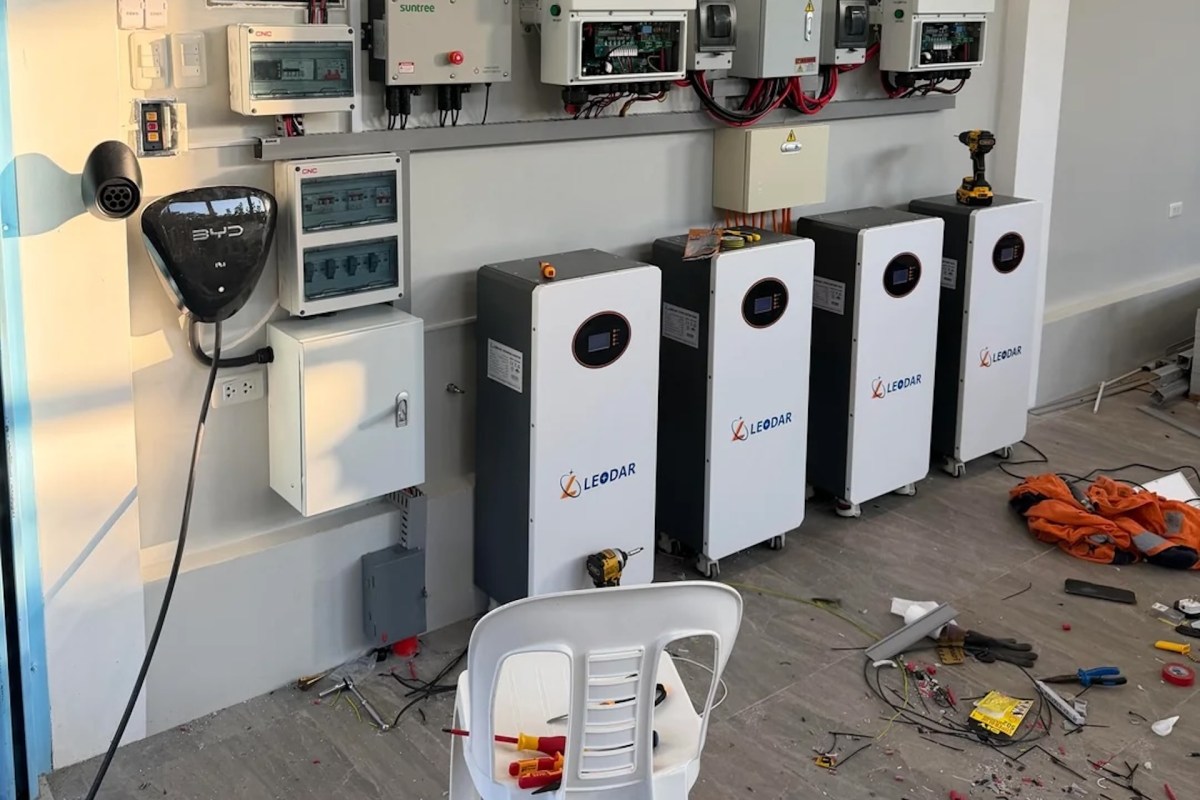
An off-grid builder gave people a concrete look at what a DIY home power project can involve.
In a post to Reddit's r/SolarDIY community, they shared their progress, which had reached 65.5 kilowatt-hours of battery storage.
Here's what to know
With text and plenty of photos, the original poster said their setup grew with two 328-amp-hour batteries.
"Let me know of anything you might think is wrong or needs improvement," they added.
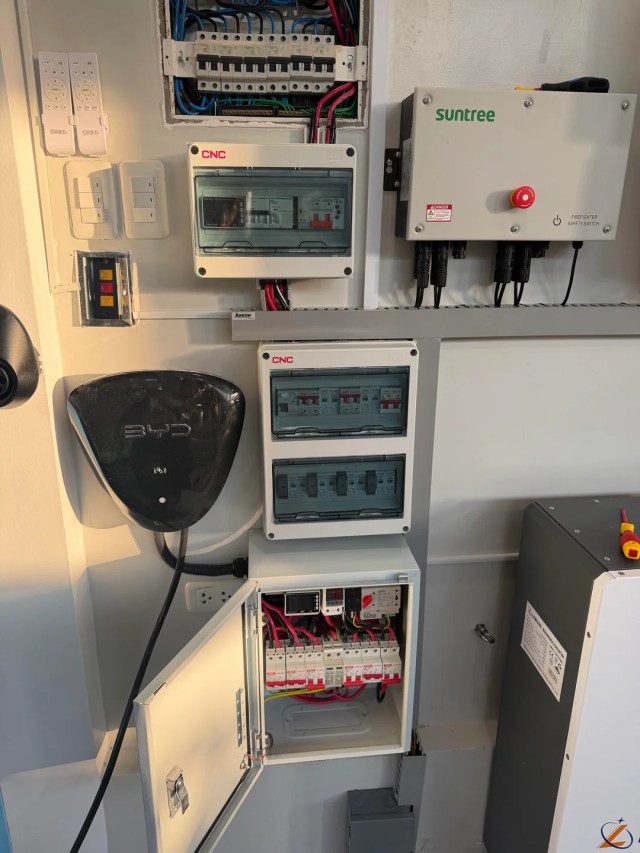
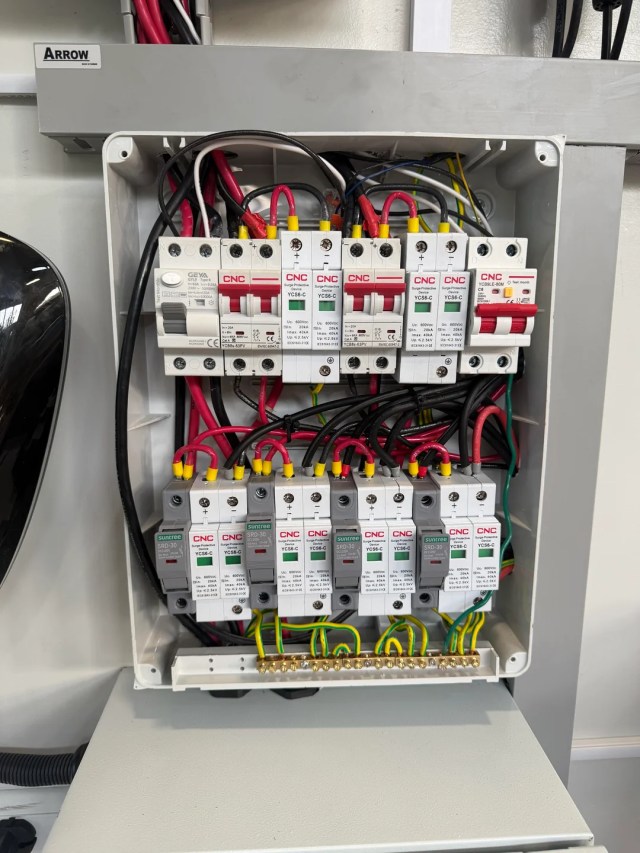
There were still major items left on the OP's to-do list. They noted they had about 30 more solar panels to install and that the two 12-kilowatt Deye inverters had not been synchronized.
"You should go pro," one commenter wrote. Another asked: "How much did this cost? Wow!" The Philippines-based OP responded, stating, "About 21 grand U.S."
Other users asked about the safety of the setup, with one noting the electrical work created a fire hazard.
More background
Rather than installing everything at once, many DIY builders expand battery banks, add panels over time, and fine-tune inverter setups as their budgets and schedules allow.
Save $10,000 on solar panels without even sharing your phone number Want to go solar but not sure who to trust? EnergySage has your back with free and transparent quotes from fully vetted providers in your area. To get started, just answer a few questions about your home — no phone number required. Within a day or two, EnergySage will email you the best options for your needs, and their expert advisers can help you compare quotes and pick a winner. Solar panels can save you more than $50k over their 25-year lifespan, and EnergySage can help you save as much as $10k on installation. Which begs the question — isn't that worth an email or two? |

Batteries are what turn solar production into around-the-clock resilience. Solar panels can generate electricity during the day, but stored power keeps lights, a refrigerator, communication tools, and other essentials running after sunset or during a blackout.
Battery storage can protect your home during outages, save you money on energy, and reduce your dependence on the grid, especially in places with expensive electricity or unreliable service. (The OP said they had "the highest electricity cost in Asia.")
Of course, not everyone needs a 65.5-kWh battery setup to get meaningful protection from outages. A smaller battery paired with solar can still provide peace of mind and lower electricity costs.
Comparing quotes, reviewing usage patterns, and deciding whether you want a full-home or partial-home system can narrow your options. For some people, that will mean a professionally installed backup battery, while for others, a lower-cost plug-and-play option may be the better fit.
If you're curious about backup power, it may be worth checking out EnergySage and its free tools. The company can find you competitive quotes, making it simple for you to compare your options and find the best price.
And for people who want a smaller-scale option, Pila has batteries that can help homeowners protect individual appliances, such as a fridge.

Get TCD's free newsletters for easy tips, smart advice, and a chance to earn $5,000 toward home upgrades. To see more stories like this one, change your Google preferences here.