


Moving into a new apartment is supposed to mean fewer maintenance headaches, not months of cold showers.
But one South Carolina couple said they went two months without hot water after moving into a brand-new unit, raising questions about what renters can do when a basic service fails.
Here's what to know
A South Carolina renter posting on Reddit's r/Tenant forum said the issue began as soon as she and her husband moved into their newly built apartment in June. Unfortunately, the unit had "no hot water in the apartment at all."
"Exactly as the title states, me and my husband have gone two months without hot water in our apartment," she said.
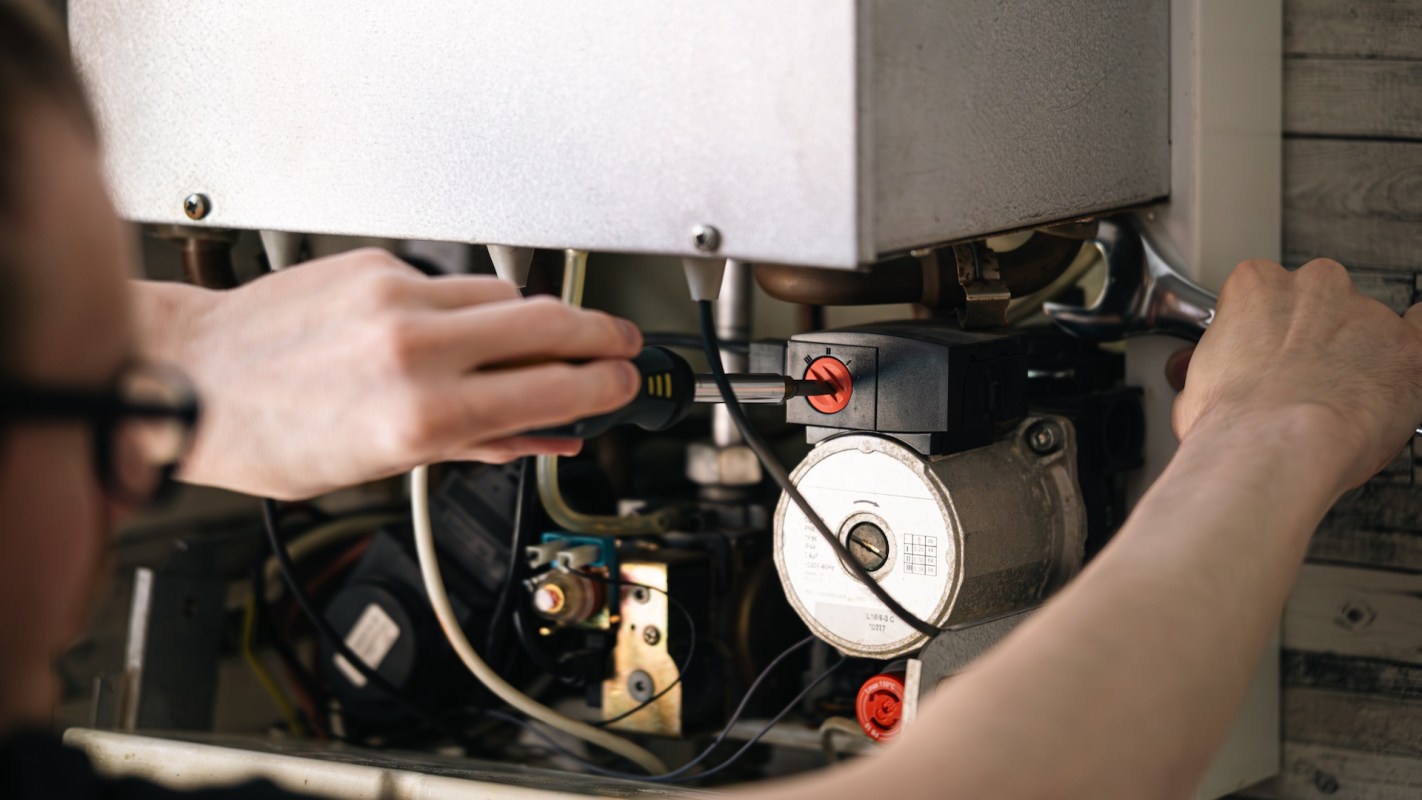
What followed was a string of unsuccessful attempts to solve the problem. After a plumber suggested the water heater trouble might be electrical, management reportedly spent about a month saying it would look for an electrician. Visits had included front-office employees who arrived without tools and a maintenance worker who replaced the thermostat, but neither step restored hot water.
The renter said management did at least open the apartment across the hall so the couple could shower there, but she still considered the lack of hot water in their own unit a habitability problem.
TCD Picks » Quince Spotlight
💡These best-sellers from Quince deliver affordable, sustainable luxury for all




In a comment, she added, "It's new construction, we are the first people to ever live in this apartment."
The OP updated readers by saying a maintenance worker planned to replace the breaker connected to the water heater.
More background
One user said, "I'd look at local laws. I believe 'hot water' is a necessity... Look up board of health."
The apartment across the hall was not a full solution, according to the renter. She said she and her husband asked about moving into that unit, but because it was a two-bedroom, it would have increased their monthly rent beyond what they were willing to pay.
What can be done?
Keeping copies of maintenance requests, photos, move-in records, and written responses from management can help establish a timeline if a problem continues.
One user said, "You should also get credit on your rent. Check housing laws in your area."
Others suggested contacting a local board of health, code enforcement office, tenant advocacy group, or an attorney before taking bigger steps.
A similar approach can also help with other housing disputes, including restrictive rules that prevent residents from using cost-saving practices, such as line-drying laundry or gardening.

Get TCD's free newsletters for easy tips, smart advice, and a chance to earn $5,000 toward home upgrades. To see more stories like this one, change your Google preferences here.






