


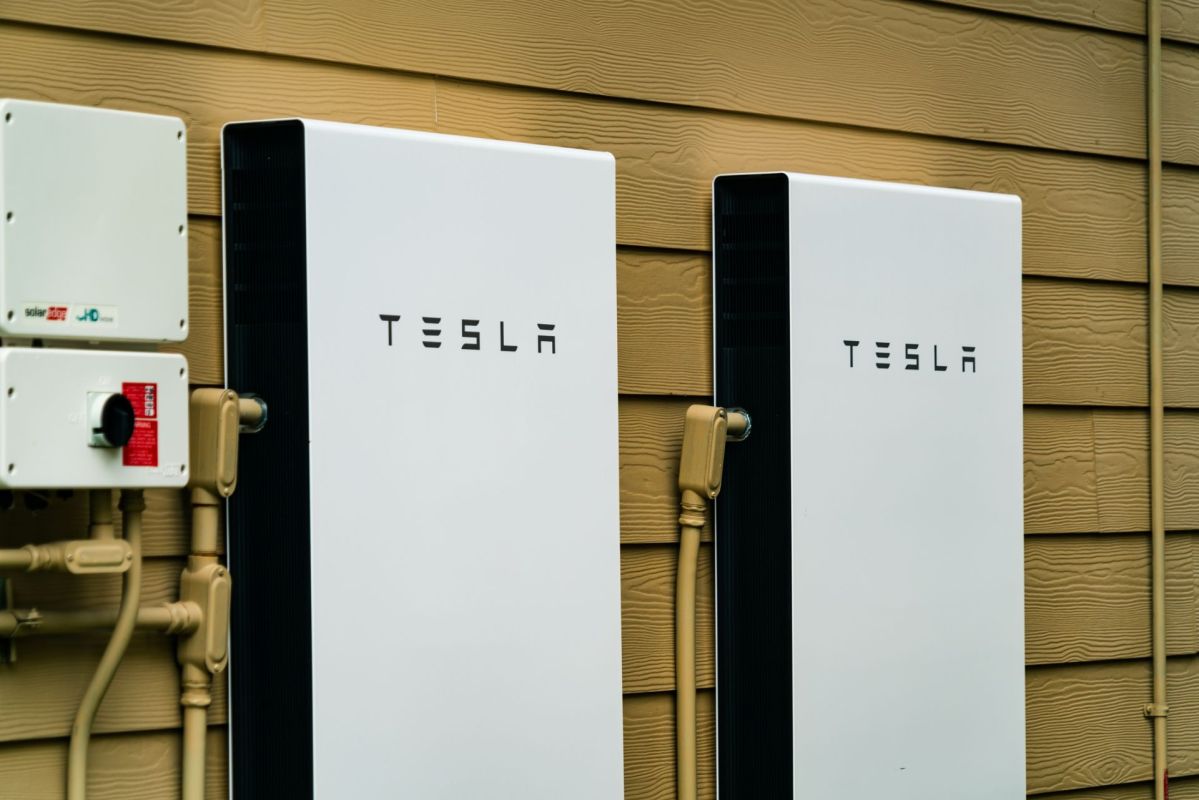
Even with solar panels, a Tesla Powerwall 3, and whole-home surge protection already in place, one homeowner still wasn't sure their kitchen appliances were fully covered in the event of a blackout.
Here's what to know
In a Reddit discussion, the homeowner was considering a device that cuts power to an appliance if voltage moves outside a 90-to-140-volt band, then waits 30 seconds before restoring service. They wanted to know whether that extra protection was still necessary.
The replies suggested that backup batteries and power-quality protection are not exactly the same thing.
Referring to Tesla guidance, one user said that "under most circumstances, solar+powerwall will provide continuous electricity to your home," while also noting a situation where switchover "could take more than one second."
Another user said, "While you're grid-tied the house is riding whatever voltage the utility hands you, and a PW3 isn't regulating that."
They added that the existing whole-house device is "surge protection, not undervoltage protection."
"Thanks, that's exactly what I need to know," the original poster responded.
While this homeowner had lots of questions, adding battery storage is still one of the best ways to protect your home during outages, save money on energy, and even move closer to going off-grid. If you're weighing your options, it can help to explore EnergySage's home battery storage marketplace for information on systems and competitive installation estimates.
Crushed by your bills? See instant solar savings from vetted installers in just a few clicks With energy prices through the roof, there's never been a better time to go solar — and EasyHome can help you find the best prices from the best installers in your area. EasyHome takes the guesswork and headaches out of energy upgrades by showing you estimated savings from a network of vetted local partners. To get started, just enter your ZIP and share a few details about your home — seeing your estimate is really that easy. |

More background
A whole-house surge protector is designed to reduce the impact of sudden voltage spikes, while a battery system is mainly intended to keep electricity flowing when the grid goes down. That can make a major difference during blackouts, especially for refrigeration, internet access, lighting, and medical or work-from-home equipment.
Battery storage is also one of the best tools for improving household resilience while lowering utility costs, particularly when paired with rooftop solar. It can help families use more of the power they generate, avoid some peak electricity pricing, and keep essential systems running during storms or other grid disruptions.
Several users gave examples of equipment that can still react badly to tiny interruptions.
One said they use a UPS for computers and switches because "the kick over when the power goes out is not instant."
Another said a newer PC power supply shut off during a millisecond-scale transfer, even though "modem, lights, clocks, everything else went along trucking like nothing happened."
What can be done?
EnergySage has teamed up with the electrification brand Qmerit to guarantee you get the best price on home battery storage solutions, which could help households find a setup that fits both their resilience goals and budget.
For smaller-scale backup needs, Pila offers plug-and-play batteries that are priced at a fraction of what a whole-home backup system would cost, making them a more accessible way to keep select devices powered.
Even if a whole-home battery keeps most of the house running, users said some appliances and electronics may still deserve their own protection. Depending on the device, that could mean a UPS or dedicated undervoltage cutoff for refrigerators, networking gear, and higher-end electronics that do not handle short dips well.
One user said, "During an actual outage the Powerwall is grid-forming and puts out a clean sine wave, but the gateway transfer is sub-second rather than truly UPS-grade, so sensitive gear can still notice it."

Get TCD's free newsletters for easy tips, smart advice, and a chance to earn $5,000 toward home upgrades. To see more stories like this one, change your Google preferences here.






