


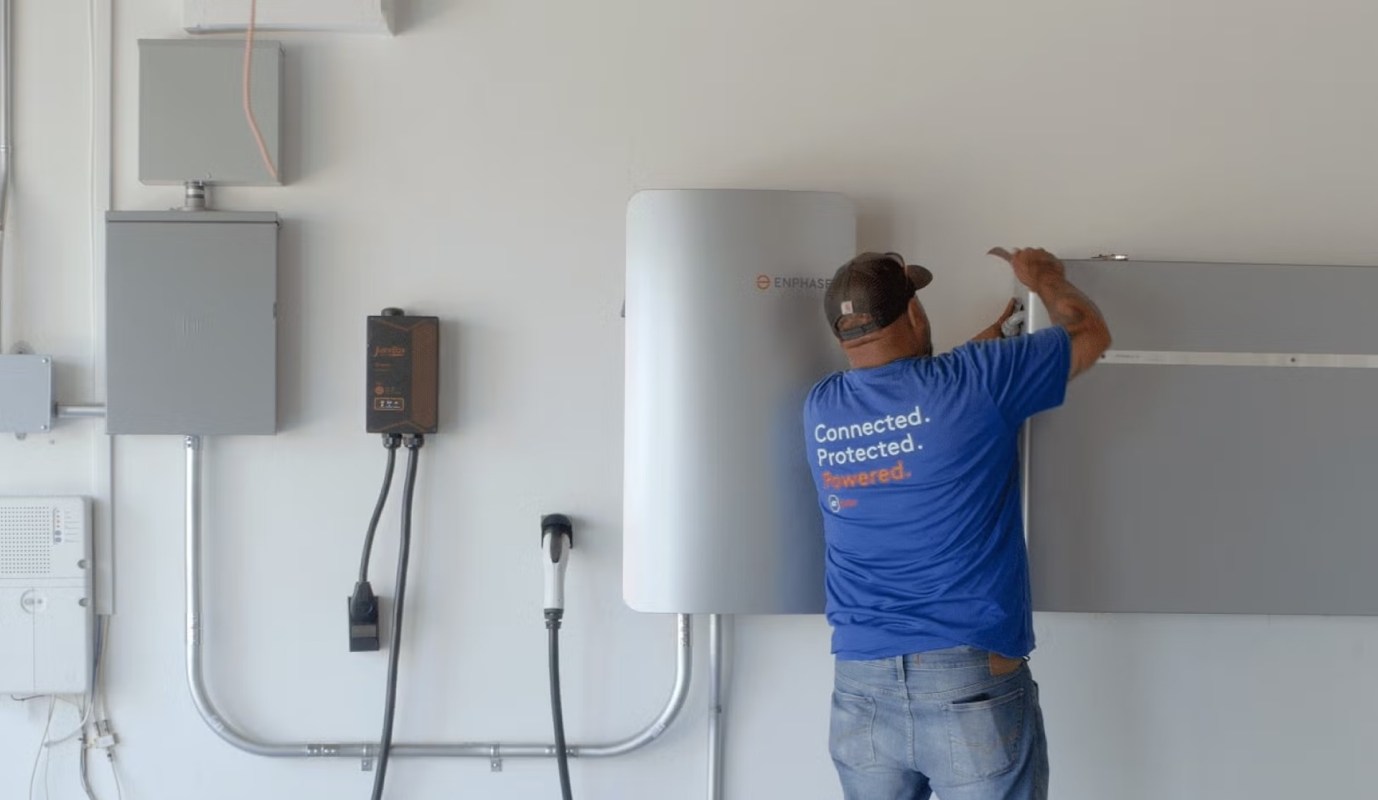
A San Diego-area homeowner thought they had stumbled onto a major bargain on Enphase battery storage: $5,000 for what appeared to be two 10C batteries.
But after a closer look at the listing and a reality check from Reddit, the deal began to seem much less like a steal and much more like a misunderstanding.
Here's what to know
In the Reddit thread, the private seller was described as saying the units were "brand new in box," came from "an authorized Enphase dealer," and included a "full warranty."
The first red flag was installation: The homeowner said their existing solar company would not install batteries it hadn't supplied.
For homeowners considering backup power, adding battery storage is one of the most effective ways to protect a home during outages. It can also help lower electricity bills by storing cheaper or solar-generated energy for later use, while making partial off-grid living much more achievable.
However, while considering solar or backup batteries, it is vital to work with verified installers to ensure you avoid misunderstandings while getting the best option possible for your home and budget.
If you're weighing your options, it's worth exploring EnergySage to compare home battery storage choices and get competitive installation estimates. EnergySage has also teamed up with the electrification brand Qmerit to get you the best price on home battery storage solutions.
More background
Commenters said the simplest way to vet the offer was to get the batteries' serial numbers checked by Enphase. That advice went directly to the homeowner's bigger worry that the equipment could be counterfeit, defective, stolen, or otherwise a bad purchase. One commenter offered the clearest first step: "See if you can get ahold of the serial numbers, then call Enphase and have them check them to see if they've been active on any other sites."
Crushed by your bills? See instant solar savings from vetted installers in just a few clicks With energy prices through the roof, there's never been a better time to go solar — and EasyHome can help you find the best prices from the best installers in your area. EasyHome takes the guesswork and headaches out of energy upgrades by showing you estimated savings from a network of vetted local partners. To get started, just enter your ZIP and share a few details about your home — seeing your estimate is really that easy. |

As another commenter warned, "Batteries do get stolen and resold, and Enphase will refuse to activate them. It's not common, but it happens."
The original poster later reported, "The seller said they had sold everything they had, so they didn't have any serial numbers to give me."
Commenters also eventually concluded that the ad likely was not offering two full 10C batteries. Instead, they said the listing seemed to describe two modules that together form a single 10C unit, so the supposed 50% markdown was probably based on a misread of the product listing.
What can be done?
For anyone shopping for home batteries on Facebook Marketplace, Craigslist, or other peer-to-peer platforms, the safest move is to verify serial numbers with the manufacturer before sending any payment. If a seller refuses or cannot provide them, that's a strong sign to walk away.
Battery storage can absolutely pay off through outage protection, smarter energy use, and lower utility costs, but only if the equipment is legitimate, supported, and compatible with the system already installed.
If you're considering a battery backup but aren't ready for a whole-home system, another option is Pila, which offers excellent battery backup choices. Its plug-and-play batteries are priced at a fraction of what a whole-home backup system would cost.

Get TCD's free newsletters for easy tips, smart advice, and a chance to earn $5,000 toward home upgrades. To see more stories like this one, change your Google preferences here.






