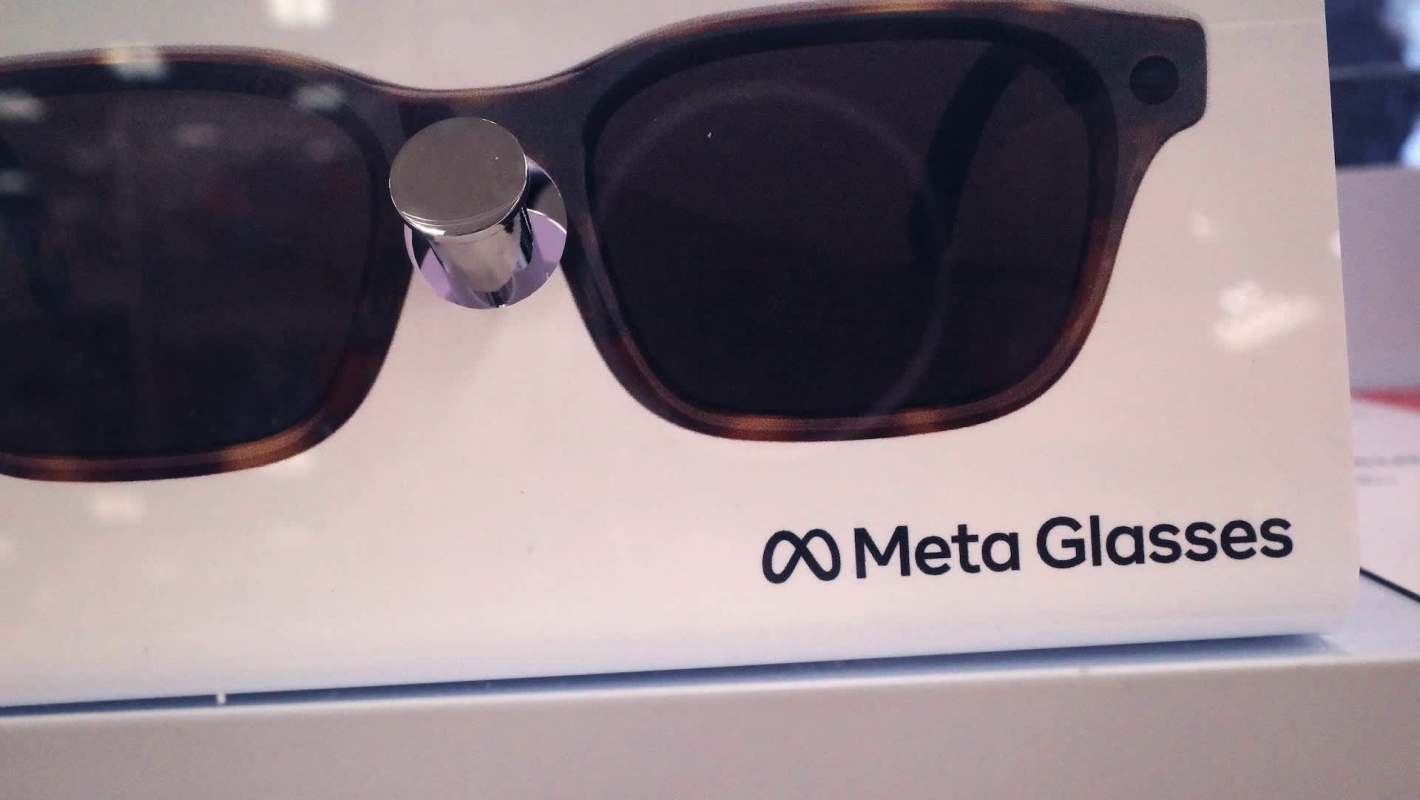
By the time Toluwa Omitowoju discovered she had been filmed by someone using Meta's AI-powered smart glasses, the video had already spread widely online — highlighting growing concerns that wearable cameras can take away a person's chance to refuse being recorded.
Here's what to know
According to CBS News, Omitowoju realized she had been filmed only when the clip began reaching her through friends and even people she had lost touch with. "It went viral. Across all platforms, probably over 200,000 views," she said. The video was removed.
CBS News said her case fits into a broader pattern of creators using camera-equipped glasses to capture strangers in prank and pickup line videos before clearly getting permission.
Omitowoju said she did not know she was being recorded, and she never approved the video being posted. "I had no say," she said, adding that other women have told her they have experienced similar situations.
More background
Meta has faced privacy criticism over Ray-Ban Meta glasses. In May, CBS News reported that Texas Attorney General Ken Paxton opened an investigation into whether the glasses could violate personal privacy through covert filming, including in sensitive spaces such as bathrooms.
In response, Meta has pointed to built-in safeguards. The company says the glasses include an LED light that turns on during recording, along with software designed to stop capture if the light is covered or disabled. Meta said, "Privacy and data protection are core to every product we build at Meta, including Ray-Ban Meta glasses," per CBS News.
TCD Picks » Quince Spotlight
💡These best-sellers from Quince deliver affordable, sustainable luxury for all




That safeguard appears to have limits. CBS News correspondent Anna Schecter reported that when she covered the light after recording was already underway, the disabling mechanism did not seem to activate. A Meta spokesperson told CBS News the tamper detection is intended to stop recording only when the light is obstructed before recording starts.
Consent laws add another layer of complexity that can leave people vulnerable. In most states, only one participant in an interaction must agree to a recording — often meaning the person wearing the camera glasses is the only one who knows filming is happening.
What's being done?
Instagram, which is owned by Meta, says it is trying to rein in the most serious abuses. According to CBS News, Instagram chief Adam Mosseri said in July that the platform would remove posts that harass people or invade their privacy.
"If you're posting content that is taking advantage of people and harassing them, like a lot of these pickup line kind of videos that we've heard of and seen recently, then we're going to take the content down," Mosseri said. "We don't want people to be surreptitiously taking videos of other people and harassing them and then posting them on our platform."
Meta also said it continues to "work to improve this technology."
Omitowoju put the issue plainly: "With these smart glasses and the smart technology, you're taking away the right of refusal."

Get TCD's free newsletters for easy tips, smart advice, and a chance to earn $5,000 toward home upgrades. To see more stories like this one, change your Google preferences here.