


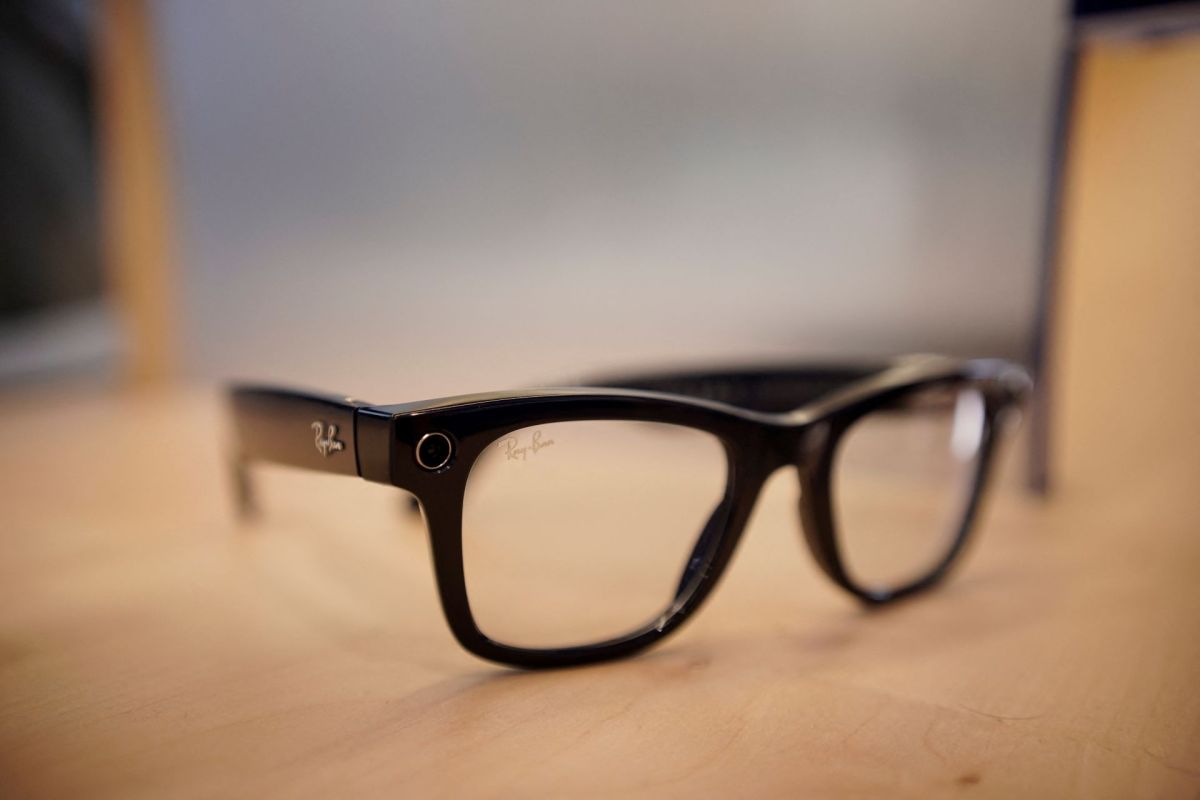
A report describing hidden facial-recognition code in Meta's smart-glasses software has prompted a forceful public response from the company's leadership.
It has also renewed arguments over privacy, surveillance, and the boundaries consumers may accept from wearable tech that incorporates artificial intelligence.
What happened?
According to Futurism, which cited a Wired investigation, journalists discovered code indicating that Meta may have quietly built facial recognition functionality into its popular AI-enabled smart glasses.
As Wired explained, the tool, internally called "NameTag," would "transform faces captured by Meta's glasses into unique biometric signatures, commonly known as faceprints, and check each one against faceprints stored on the user's phone."
For now, consumers cannot use the feature. It remains disabled and unavailable. However, Futurism pointed to major privacy concerns with the controversial feature.
In a social post, Meta spokesperson and vice president of communications Andy Stone attacked Wired's presentation of the story, writing: "This is more than shoddy reporting, it's intellectually dishonest." He also called the report "Pure advocacy-driven click bait."
TCD Picks » Quince Spotlight
💡These best-sellers from Quince deliver affordable, sustainable luxury for all




Futurism highlighted that Meta CTO Andrew Bosworth joined that criticism, writing: "Incredibly misleading from Wired, sadly we are coming to expect that from them more and more. Absolutely dishonest."
In a full statement to Wired, Meta said it is "exploring" facial recognition features but emphasized that "nothing has shipped to consumers." The company also stressed that it has not finalized any plans to launch the technology, adding that "if we do decide to roll something out, we will take a thoughtful approach and do so with full transparency."
Why does it matter?
To critics, NameTag suggests a direction in which ordinary smart glasses could someday perform biometric checks during everyday interactions, even though the feature has not been released.
That prospect would extend to places such as stores, sidewalks, schools, and protests, where people generally do not expect someone's wearable camera to identify them.
Futurism also pointed to a recent New York Times report that cited an internal Meta memo suggesting the facial recognition feature could be launched "during a dynamic political environment where many civil society groups that we would expect to attack us would have their resources focused on other concerns."
In addition to privacy concerns, AI systems rely on data centers that can consume large amounts of electricity and water. If those costs continue to grow, communities can feel the strain through pressured infrastructure or even higher energy bills.
What are people saying?
Opponents of the technology say Meta's critiques of the Wired report do little to ease the broader concerns.
Electronic Frontier Foundation Threat Lab technologist Cooper Quintin said: "The feature is not yet exposed to consumers but seems nearly ready to go. Despite the billions of reasons not to, Meta seems to have created the capacity to turn their customers into a distributed surveillance machine."

Get TCD's free newsletters for easy tips, smart advice, and a chance to earn $5,000 toward home upgrades. To see more stories like this one, change your Google preferences here.






