


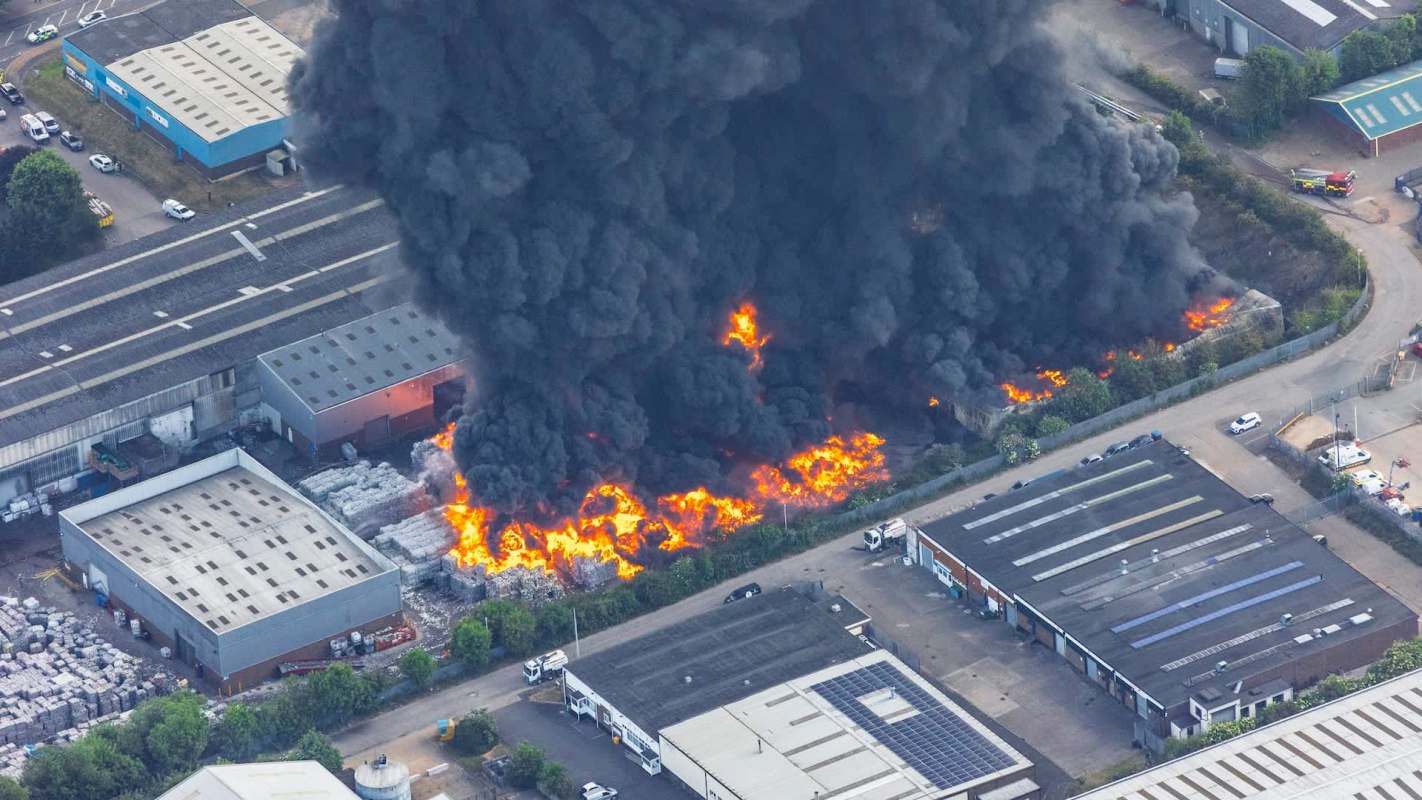
Hidden in everyday rubbish, especially disposable vapes, discarded lithium batteries are emerging as a major hazard for Britain's recycling system.
Here's what to know
The Standard reported that of the 1,518 fires reported by Environment Services Association members in the year ending March 2026, 541 were specifically connected to lithium-ion batteries and another 216 occurred in bin lorries, according to new figures.
The toll is substantial: industry estimates indicate recycling centers across the United Kingdom are dealing with more than 10 battery-related fires each week, with annual damage put at £1 billion (around $1.359 billion).
More than 100 firefighters were needed at a recycling-site fire in Bermondsey in June, and incidents in Deptford and Ilford also triggered major emergency responses. The Ilford blaze was blamed on lithium-ion batteries.
Because many recycling-center fires leave behind little evidence of what started them, the ESA believes the published numbers probably miss part of the problem. An ESA spokesperson said: "We know 40% of fires at recycling centres are caused by batteries, but we think the actual number is more like 70%."
Patrick Brighty, head of recycling policy at the ESA, warned: "It only takes a single battery hidden in household rubbish or recycling to cause a huge fire and decimate a facility."
TCD Picks » Quince Spotlight
💡These best-sellers from Quince deliver affordable, sustainable luxury for all




More background
Disposable vapes are at the center of the issue because they combine several problems in a single product: addictive nicotine, single-use plastic, toxic e-waste, and a lithium battery that can ignite if crushed.
That makes them not just a waste-management challenge but also a public health concern, particularly as vaping continues to raise alarms about nicotine exposure among young people.
Calling the rise in these incidents "exponential," Dr. Francesco Restuccia, a fire expert at King's College London, said lithium batteries are now common in a wide range of everyday products, including smartphones, children's toys, toothbrushes, and vapes, according to The Standard.
If those batteries are thrown in the trash instead of being properly returned or recycled, they can be punctured or crushed during collection and sorting. Restuccia said that damage creates "a lot of internal short circuits" that can quickly raise temperatures to the point of ignition.
The consequences go beyond damage to recycling plants. Fires at waste sites can threaten workers, disrupt local services, increase insurance costs, and spread pollution into surrounding communities.
What's being done?
To keep used vapes out of household bins, the ESA wants a mandatory £5 ($6.80) deposit added to all vape purchases, giving people a financial incentive to return spent devices to retailers.
Brighty said: "Vapes are among the biggest culprits because they're cheap, abundant and typically have a short use-life." He added that the industry wants the government to introduce a vape deposit scheme so that vapes can be recycled properly and kept separate from other waste, per The Standard.
Fire officials are also sounding the alarm. After the Ilford blaze, the London Fire Brigade said, "We've seen a growing number of fires at waste disposal sites that are believed to have been caused by a lithium battery."
"Fires that we attend at sites like recycling centres and scrap yards can be very time consuming for our firefighters and often require a high level of resources to put the fire out. We've also seen the detrimental environmental and societal impact these fires can have on local communities."

Get TCD's free newsletters for easy tips, smart advice, and a chance to earn $5,000 toward home upgrades. To see more stories like this one, change your Google preferences here.






