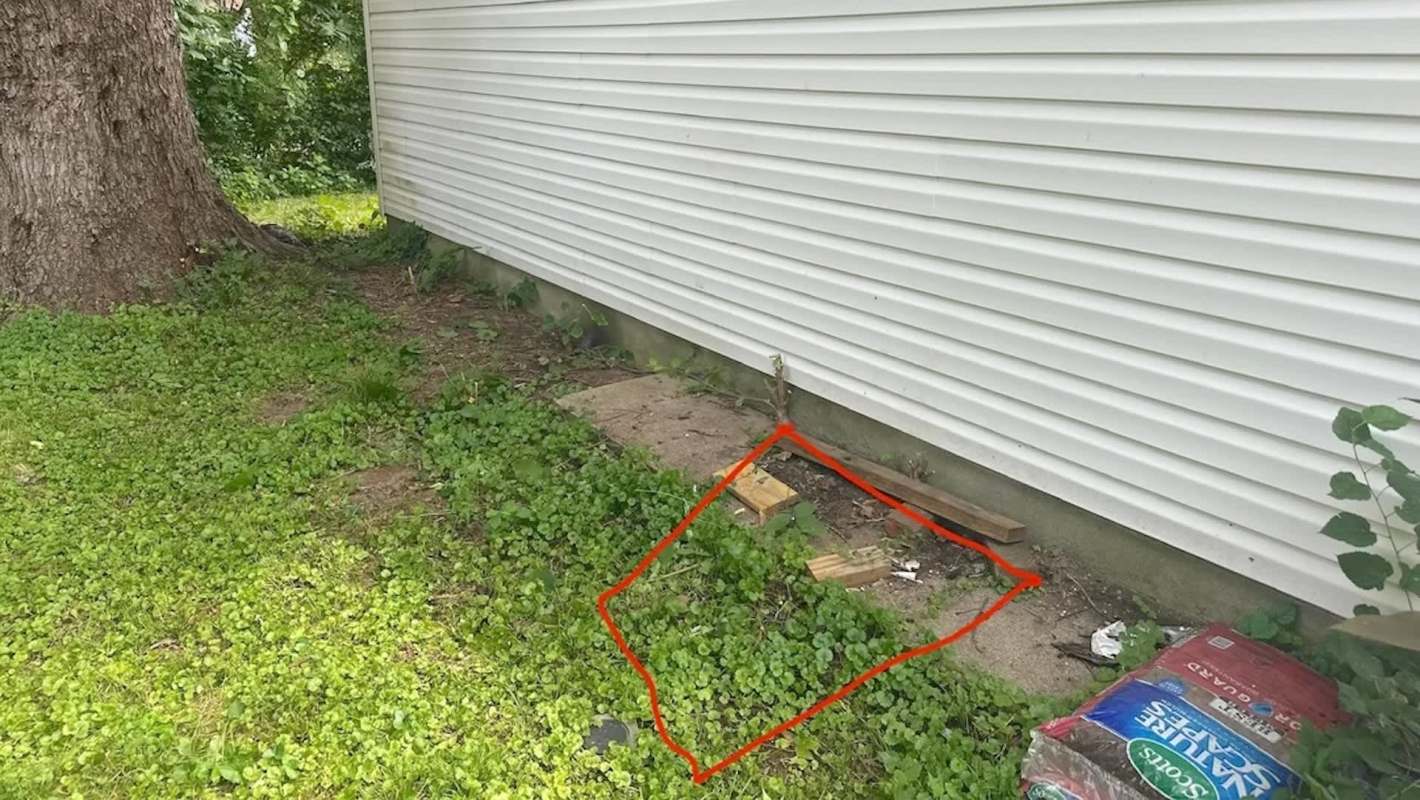
A portable generator can be a money-saving lifeline during a blackout, keeping a refrigerator cold and basic appliances running. But one Reddit thread shows how a seemingly simple placement choice can quickly become a safety issue after a homeowner asked whether a spot behind a detached garage, about 20 feet from the house, was far enough away.
Here's what to know
In a post on Reddit, the OP asked, "Would this be a good spot for a portable generator after this area gets cleaned and new concrete is added? This is behind my detached garage, and it would be 20 ft away from the house. Thanks in advance!"
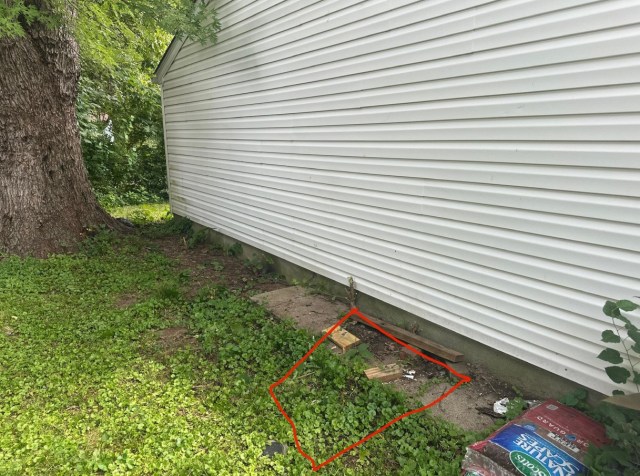
The key reply focused on a detail the poster may have overlooked: "It's 20ft away from all structures, not just the house. Move it away a couple more feet, point the exhaust away from the siding, and you'll most likely be fine. Further away the better."
Another user noted that 20 feet is often guidance rather than a blanket legal rule, while still warning that garages and other enclosed spaces need to be included in the exhaust and fire-safety calculations.
More background
Generators are often purchased to help homeowners save money during outages. A safe setup can protect refrigerated and frozen food, keep essential equipment running, and reduce the risk of costly damage.
Those benefits can disappear quickly, however, if a generator is placed too close to a garage, siding, windows, or other enclosed areas. Poor placement can create carbon monoxide and fire risks and may also leave homeowners paying later to redo a concrete pad, move wiring, or rethink fuel access.
TCD Picks » Quince Spotlight
💡These best-sellers from Quince deliver affordable, sustainable luxury for all




One user said, "You need to evaluate CO risk for all habitable spaces including enclosed garages and fire risk."
What can be done?
Before settling on a generator site, homeowners should consider the property's overall layout rather than just the distance from the house. Detached garages, nearby walls, doors, and airflow can all affect the decision, especially if a permanent pad is being planned.
It also helps to think through the practical side before spending money on concrete or installation. If the generator needs to be moved later to create safer spacing, that can add avoidable costs on top of the original project.
Fuel source is another important factor. As one commenter noted, "When possible I stay near my fuel source if NG. Easier to run wire than larger diameter pipe for cfh needs." The right location may also vary depending on whether the generator uses gasoline, propane, or natural gas.
One user said: "The rest of us can't tell anything from that pic. Draw a sketch of the whole property with the house and garage."

Get TCD's free newsletters for easy tips, smart advice, and a chance to earn $5,000 toward home upgrades. To see more stories like this one, change your Google preferences here.