


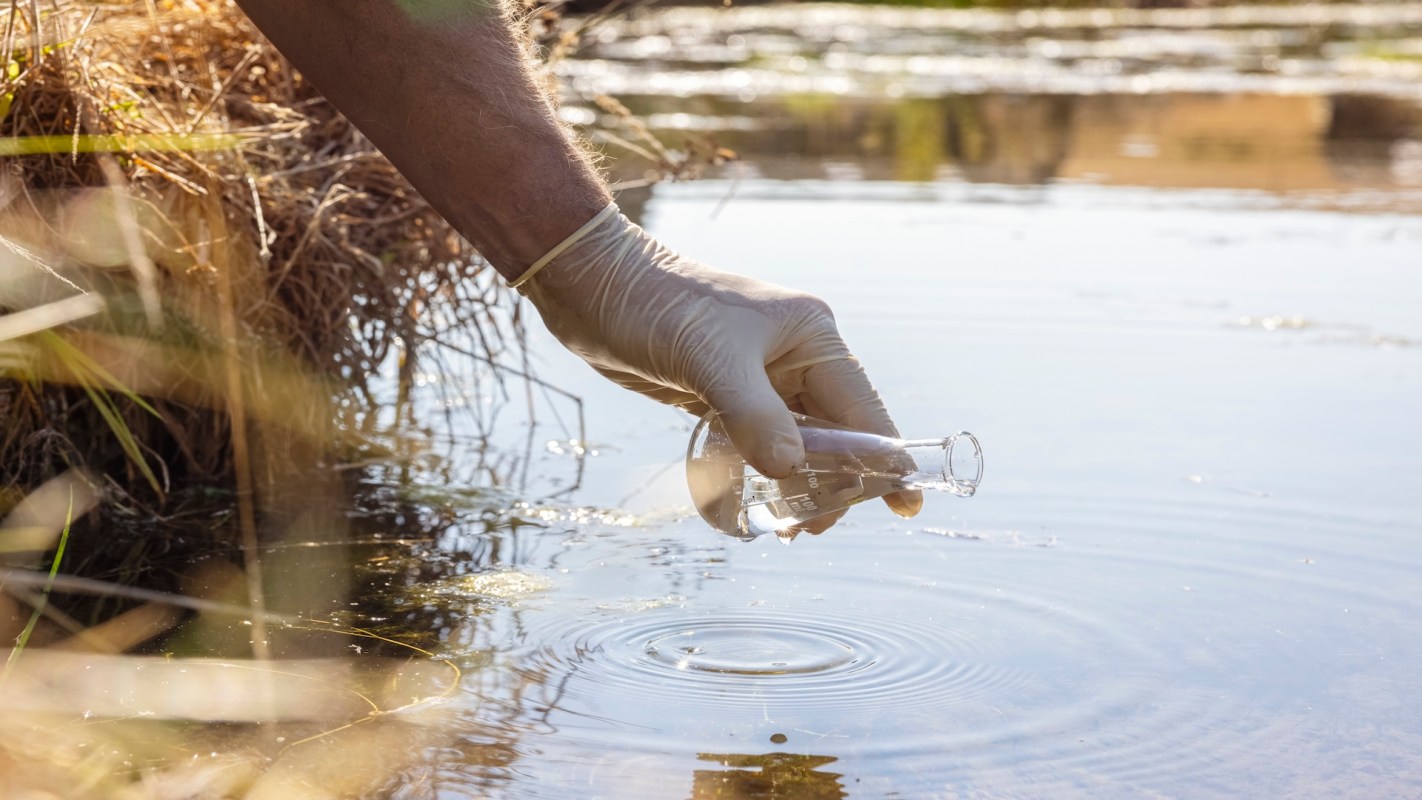
For over 40 million people in the United States and Canada, the Great Lakes are a daily source of drinking water. But an increasing number of reports suggest that even treated water pulled from those lakes can carry nearly invisible microplastics.
Microplastics affect tap water quality and harm fish populations. Across the region, the contamination is showing up in fish tied to local traditions and livelihoods.
Here's what to know
In its investigation, the Chicago Tribune reported that microplastics have contaminated both Great Lakes water and fish. Those tiny particles are made from chemicals which can be associated with cancer and other illnesses, yet the pollution is still largely unregulated.
That raises the stakes because the lakes supply drinking water to tens of millions of people and also support communities for whom fish is a dietary staple.
As the Tribune reported, that includes Midwesterners who regularly partake in fish fries and fish boils — a staple in parts in of the region — as well as Indigenous communities, some immigrant groups, and many communities of color who disproportionately bear the impacts of environmental pollution.
More background
Researchers are also concerned because these particles can be smaller than even a grain of rice and may affect human health in multiple ways. Scientists are studying harm from the particles themselves as well as from chemicals that can seep out of them. The Tribune noted that they may have links to health issues like heart and brain disease, certain cancers, and Parkinson's disease.
TCD Picks » Quince Spotlight
💡These best-sellers from Quince deliver affordable, sustainable luxury for all




Plastic industry executives have often pushed responsibility onto consumers while minimizing the dangers associated with their products — even being said to have used messaging strategies from Big Tobacco. The Tribune concluded, "Some of the world's most powerful companies downplay the dangers posed by plastics and overstate the ability to recycle them."
The Great Lakes hold the planet's largest supply of surface freshwater. Once plastic pollution enters that system, it does not stay in one place. It can move through waterways, pass into treatment systems, and ultimately end up in food and water that people use every day.
What's being done?
According to the Tribune, the state has become the first in the Great Lakes area to classify industrial plastic pellets, often called nurdles, as pollution. The law requires polluters to report nurdle spills. It also requires companies that manufacture, use, or transport nurdles to create plans aimed at limiting runoff.
The measure also creates a clearer paper trail when contamination occurs.
The Tribune reported that scientists are also looking to understand more about microplastics' effects. University of Illinois researchers have tracked plastics-related chemical exposure in more than 400 children from downstate Illinois since before birth.

Get TCD's free newsletters for easy tips, smart advice, and a chance to earn $5,000 toward home upgrades. To see more stories like this one, change your Google preferences here.






