An EV-owning homeowner in the Midwest took to Reddit for price advice on solar panels.
Here's what to know
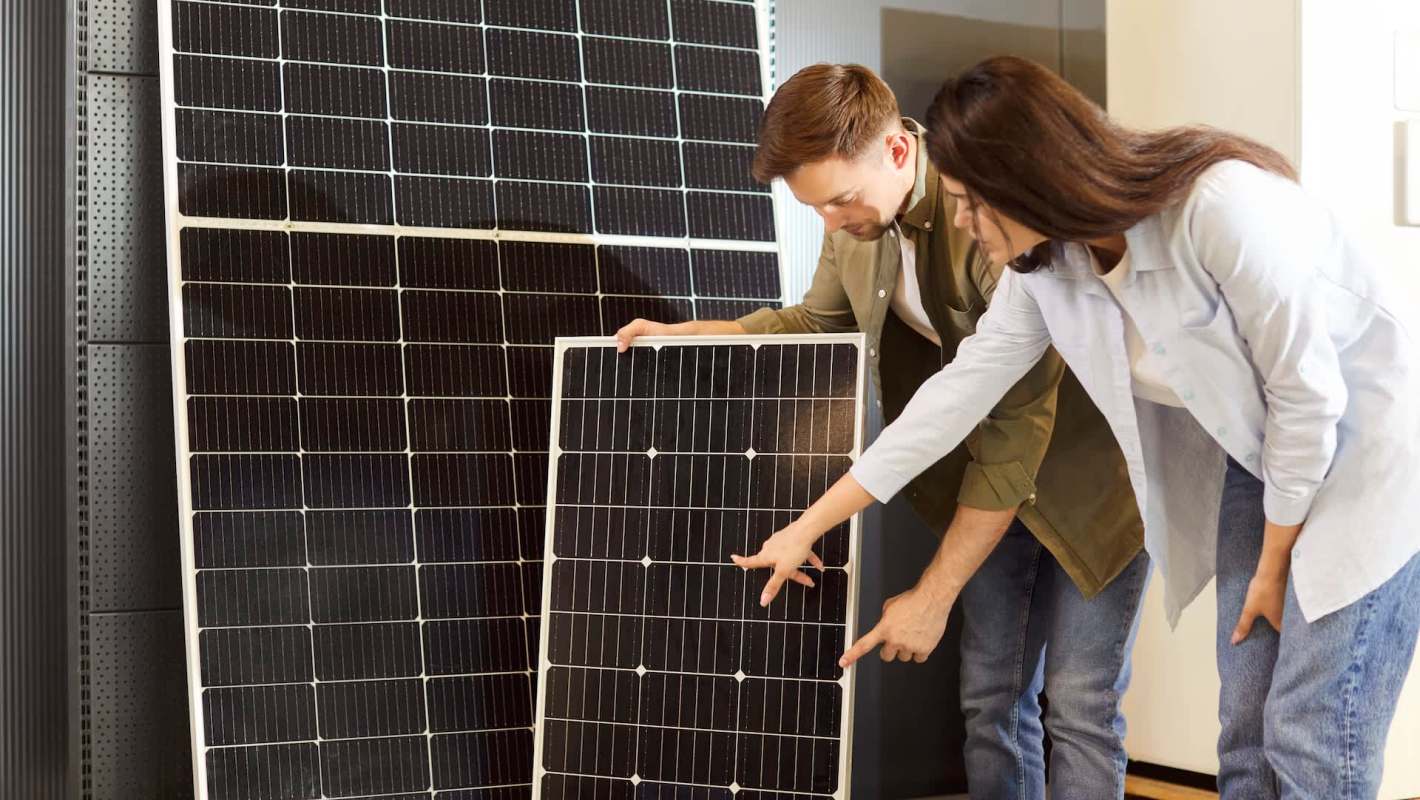
The plan described in a post on Reddit paired 66 REC 365AA panels with two EG4 12kPV hybrid inverters, using both the roof and a backyard ground mount. The homeowner said they were considering the bulk solar purchase with the panels priced at $102 each.
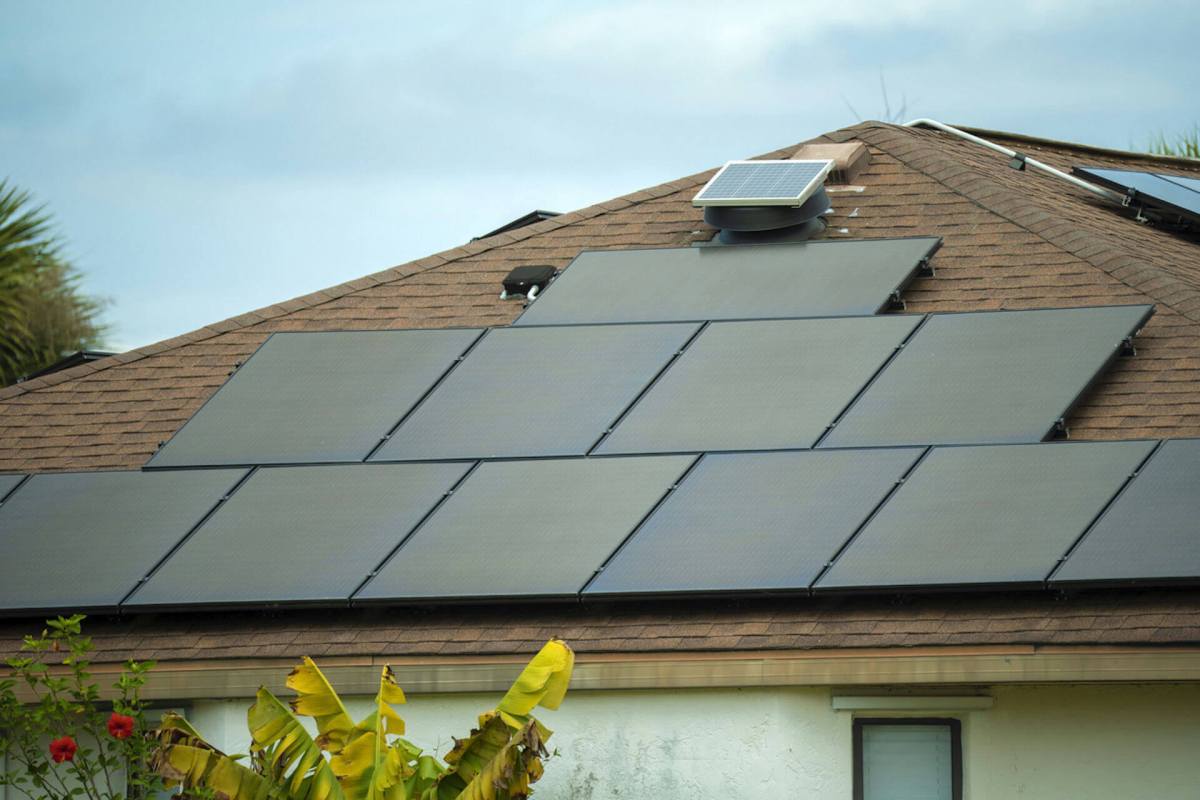
Because the south-facing roof was 38 feet wide but pitched at 45 degrees, the homeowner estimated that just one accessible row would fit there, allowing for 12 panels on the house and the remaining 54 in the yard. At that price, the full panel order would total about $6,732 — around 28 cents per watt.
Replies centered less on the bargain panel price than on the bigger economics of the project. While the sticker price looked appealing, many warned that a low-cost panel may not be much of a deal once the rest of the system is factored in. Commenters noted that an older panel design may be marked down for a reason and that the modules themselves are often only a small share of total installation costs.
Going solar is one of the best ways to save money on home energy, especially for households taking on major electric loads such as EV charging. If you're weighing options, EnergySage can help you get free solar installation estimates and compare quotes before deciding whether a solar panel deal is really worth it.
Why is this important?
The cheapest panel on paper is not always the cheapest system in practice.
Older panels can still perform well, but buyers often have to weigh efficiency, warranty coverage, compatibility, replacement logistics, and how much extra racking or land may be needed if lower-output panels take up more space.
That tradeoff applies directly to a hybrid design like this one. Mounting panels on a standing-seam metal roof can be appealing, but a steep pitch may make installation and maintenance more difficult. A ground mount, meanwhile, can add site prep, trenching, and hardware costs even if it offers more flexibility and space.
Save $10,000 on solar panels without even sharing your phone number Want to go solar but not sure who to trust? EnergySage has your back with free and transparent quotes from fully vetted providers that can help you save as much as $10k on installation. To get started, just answer a few questions about your home — no phone number required. Within a day or two, EnergySage will email you the best local options for your needs, and their expert advisers can help you compare quotes and pick a winner. |

What can be done?
Generating power at home and going all-electric can cut utility bills, reduce the cost of charging an EV, and give families more control over future energy expenses.
For shoppers comparing solar equipment, the more important calculation is total installed cost per usable watt — not just the upfront panel price. That means accounting for the full cost of inverters, racking, wiring, labor, permitting, and any added complexity from roof access or ground mounting, while also comparing performance specifications and warranty terms.
The OP captured the frustration many buyers feel while sorting through the options, writing, "There is so much variance in manufacturers and panels available new. Cost/Watt varies widely, and you get tired after a while of looking at spec sheet after spec sheet."
It's a lot to consider, and free comparison tools can make that process easier. With EnergySage's help, the average person can save up to $10,000 on solar purchases and installations. EnergySage's solar map also shows the average cost of a home solar panel system on a state-by-state level, along with details on solar panel incentives for each state, helping readers get the best price for rooftop solar panels with access to available incentives.
More From EnergySage
💡Go deep on the latest news and trends shaping the residential solar landscape
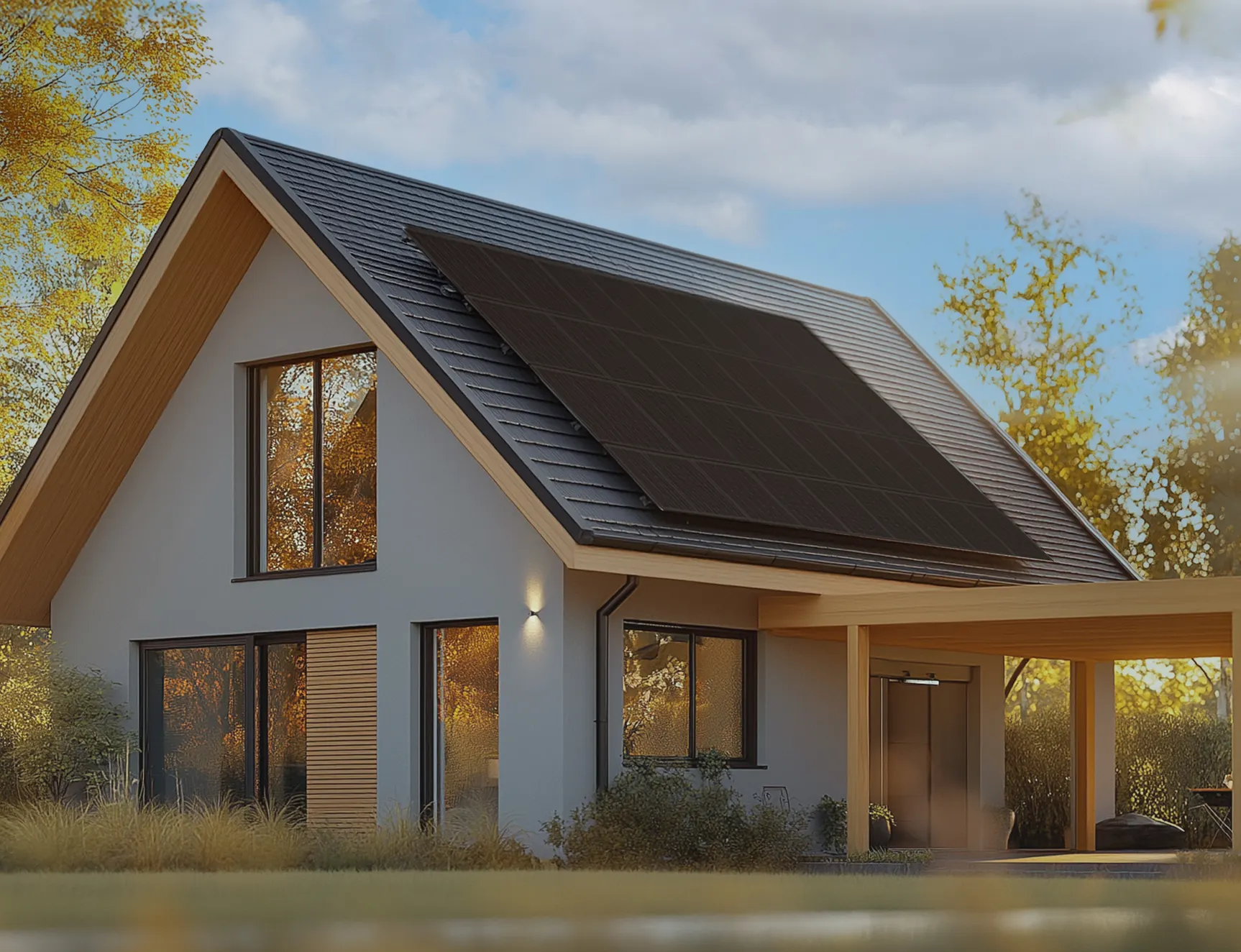

Adding battery storage to a solar setup is also one of the best ways to protect your home during outages, save money on energy, and go off grid. A battery can make a solar investment more resilient and flexible — especially for homeowners planning around EV charging or backup power. EnergySage is a great resource for information about home battery storage options as well, including competitive installation estimates.

Get TCD's free newsletters for easy tips, smart advice, and a chance to earn $5,000 toward home upgrades. To see more stories like this one, change your Google preferences here.