


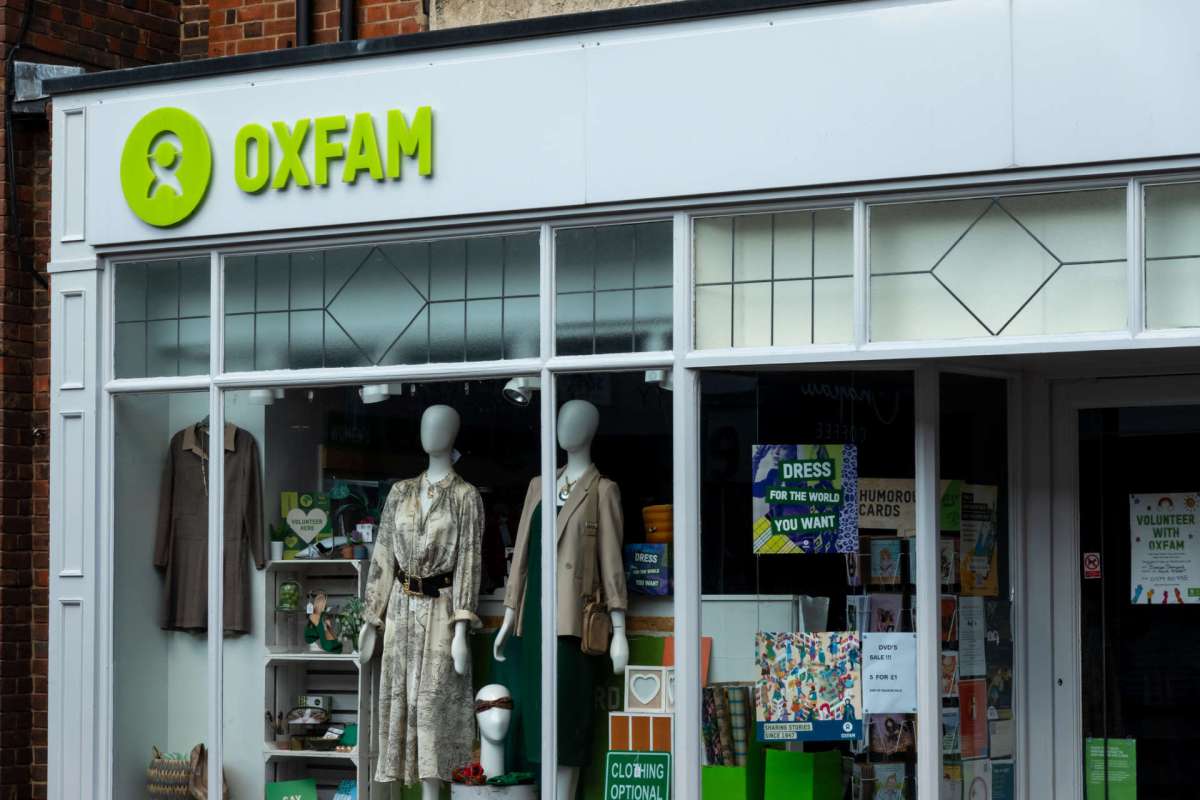
Oxfam says it is reviewing three warehouses in England and cannot promise that all of its retail locations will be safe in a tough economy — a worrying sign for shoppers and donors who rely on secondhand stores for affordable finds.
The charity said no closures are planned, but concerns are growing around its Batley site and the future of some of its 500-plus U.K. shops.
Here's what to know
The review covers Oxfam's warehouse sites in Batley, Bicester, and Milton Keynes, according to The Guardian. Of those, Batley stands out because it is home to the charity's main textile recycling center, and people familiar with the situation told the paper the site could be vulnerable as its lease nears renewal.
About 90 staff members work across the three warehouses. A source said Oxfam had discussed shutting as many as 100 shops, citing weaker donation levels and stores that no longer make financial sense.
Losses at Oxfam Activities topped £2 million (~$2.7 million USD) in both the year ending March 2025 and the year before. That division includes the Batley textile recycling plant, along with new-item sales and festival stewarding, and its sales fell 7% in the year to March 2025 due to lower recycling revenue.
Lorna Fallon, chief supporter officer of Oxfam GB, said: "As is standard practice, we keep all parts of our retail operations under review via regular meetings. While we cannot give guarantees in this difficult economic climate, we are confident in and positive about our current retail performance and do not have plans to close our shops or warehouses at this time."
TCD Picks » Quince Spotlight
💡These best-sellers from Quince deliver affordable, sustainable luxury for all




More background
Thrifting can help people save money on everyday essentials, from clothing to home goods. It also keeps usable products in circulation longer, helping reduce waste.
A big pressure point is the changing secondhand market. Oxfam is reportedly facing competition from platforms including eBay and Vinted for both shoppers and donated goods, while the value of "rag" — worn or unwanted clothing and household textiles sent to recyclers — has declined, eroding what was once a more important revenue stream.
Other major charities are shrinking their retail footprints too: Cancer Research has announced plans to close 90 shops across the U.K., and the British Heart Foundation has shut 150 stores and cut jobs.
If more charity shops disappear, communities could lose convenient places to donate goods, buy lower-cost essentials, and support nonprofit work.
What's being done?
Despite the review, Oxfam said it is still investing in its retail model. Fallon said moves include launching a new online rental service, bringing online order fulfillment back in-house, and opening a second superstore in Manchester.
Fallon also pointed to the mission behind the model: "Next month our shops, warehouses and digital hubs will be leading Second Hand September, our annual campaign to tackle fashion's environmental damage while raising funds for our global work on poverty and climate change."

Get TCD's free newsletters for easy tips, smart advice, and a chance to earn $5,000 toward home upgrades. To see more stories like this one, change your Google preferences here.






