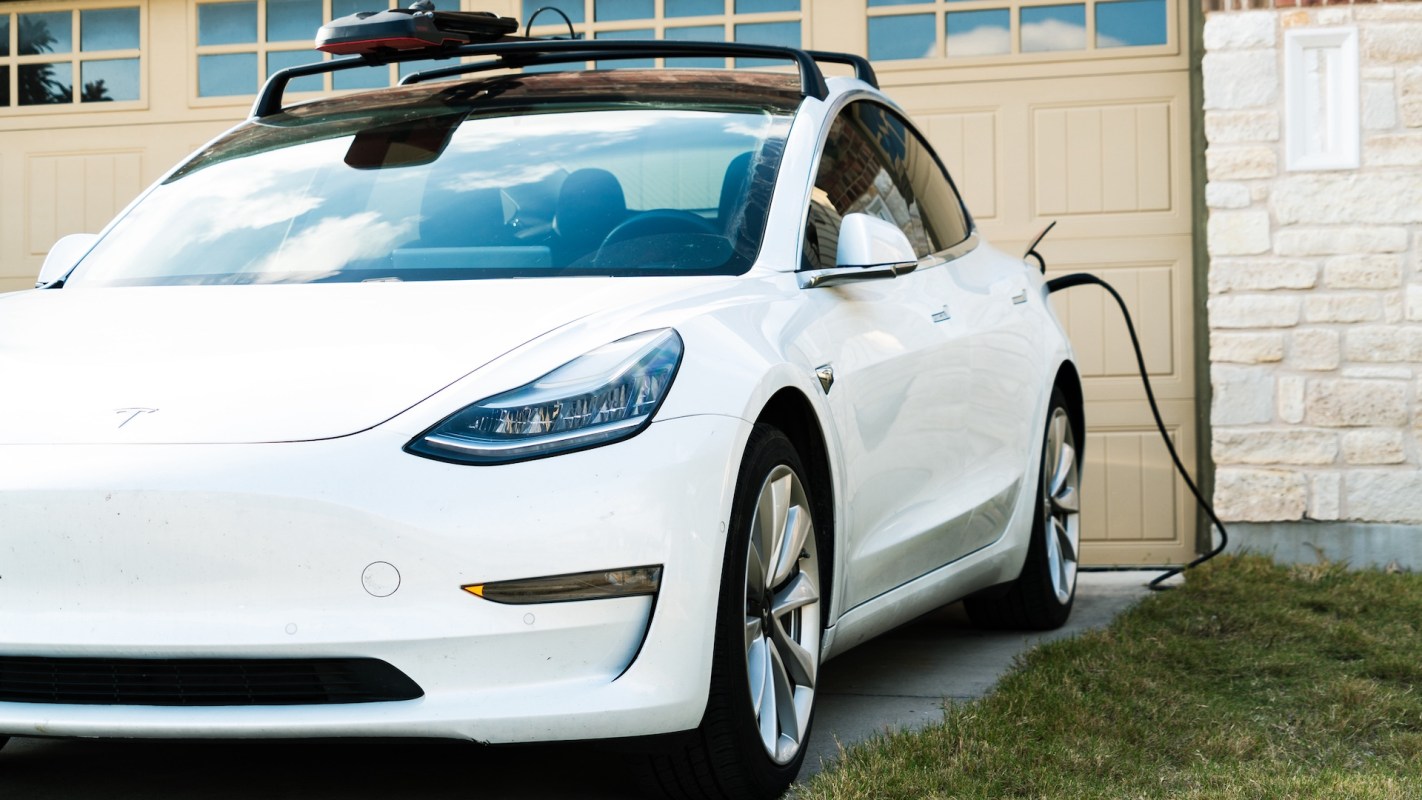
A solar-powered home with battery backup and an electric car may sound like the ideal clean energy setup.
But one Tesla owner found that the system's charging priorities can work differently from what many homeowners might expect. In some situations, a plugged-in Model 3 can start drawing available solar power before a Powerwall is fully charged, a detail that could make a major difference during outages or expensive peak-rate hours.
Here's what to know
The issue surfaced in a Reddit discussion in which a homeowner said their setup included two Powerwall 3s "set to Self-Powered mode during the middle of the day. Charge on solar selected on."
Yet their Model 3 was getting energy first.
"My expectation would be that the Powerwalls would have been prioritised over the Model 3 when it came to charging," the original poster added in the r/TeslaSolar community.
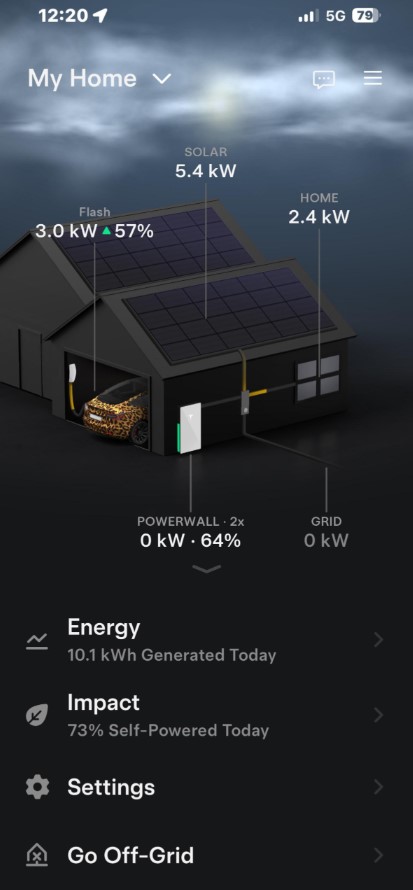
A reply suggested the behavior was the result of how Tesla classifies units within the system.
"The Powerwall considers the car to be a 'Home' load, so it prioritizes the car over the Powerwall," one commenter wrote. "If you want it to charge the Powerwall, raise the backup percentage of the Powerwall so it'll prioritize the Powerwall."
Another said: "It doesn't automatically prioritize the Powerwall over your car. I can't speak to the logic, but I trust it to charge my car whenever possible and also keep the batteries charged as well."
Crushed by your bills? See instant solar savings from vetted installers in just a few clicks With energy prices through the roof, there's never been a better time to go solar — and EasyHome can help you find the best prices from the best installers in your area. EasyHome takes the guesswork and headaches out of energy upgrades by showing you estimated savings from a network of vetted local partners. To get started, just enter your ZIP and share a few details about your home — seeing your estimate is really that easy. |

Others noted the OP should "check your charging schedule" or "look for the 'charge on solar' tab after your Tesla is paired."
More background
Adding battery storage is one of the best ways to protect a home during outages, save money on energy, and reduce reliance on the grid. It allows households to store excess solar production for later use, which can be especially helpful when electricity prices are high or service is interrupted.
A battery can keep essentials such as lights, refrigeration, internet service, and devices available during blackouts while also allowing a household to use more of its own solar power after sunset instead of buying electricity back from the utility.
For EV owners, though, the equation can get complicated because the home and vehicle may be competing for the same midday solar energy. If the system treats a car like any other household demand, a homeowner expecting maximum backup resilience could end up with less battery reserve than planned.
Before committing to a setup, it may be worth exploring EnergySage to get information about home battery storage options, including competitive installation estimates. EnergySage has teamed up with the electrification brand Qmerit to guarantee you get the best price on home battery storage solutions.
Another option is Pila, whose plug-and-play batteries are priced at a fraction of what whole-home backup systems cost. They can help keep individual appliances, such as your fridge, running during outages.

Get TCD's free newsletters for easy tips, smart advice, and a chance to earn $5,000 toward home upgrades. To see more stories like this one, change your Google preferences here.