


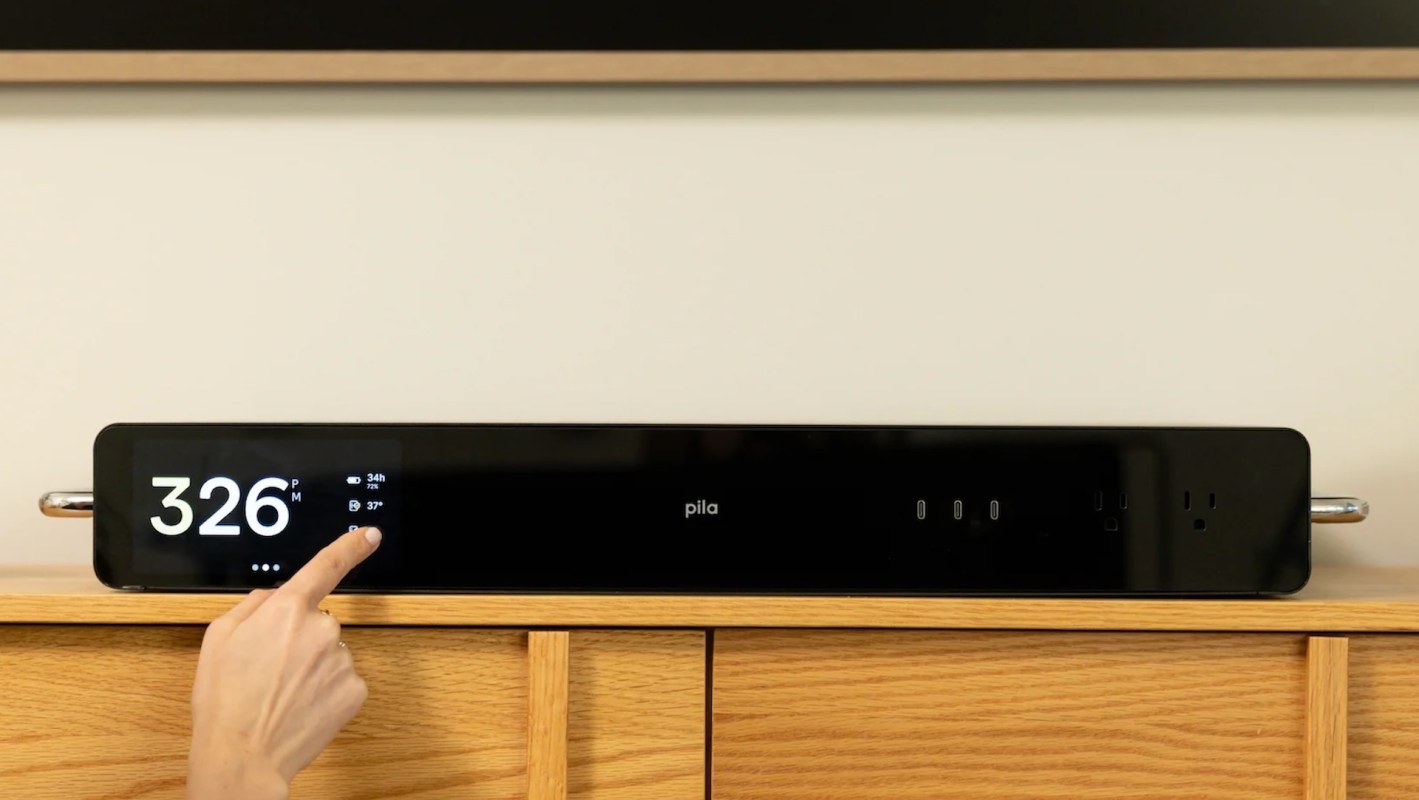
For many people comparing home battery brands, chemistries, and capacities, the tougher decision is often more basic: Which household loads are actually worth backing up if keeping the entire house running is not practical?
In one Reddit discussion, several homeowners said the math changes quickly once heating and cooling are part of the plan.
Here's what to know
On Reddit, the original poster said the fundamentals of backup systems were clear enough, but setting priorities still was not: "Fridge and internet are obvious for me. Heating or cooling is where the numbers start getting ugly, especially if the goal is getting through a longer outage instead of burning through stored power in a few hours."
Comments in the thread leaned toward a simpler approach built around essential circuits instead of whole-house coverage.
Adding battery storage is one of the best ways to protect your home during outages, save money on energy, and go off-grid. When the system is sized appropriately, it can keep food cold, devices charged, and internet service running while also shifting stored solar or cheaper electricity into the more expensive parts of the day.
For homeowners comparing capacity, brands, installation costs, or program options, it may be worth exploring EnergySage for information about home battery storage options. EnergySage has teamed up with electrification brand Qmerit to get homeowners the best price.
Pila is another excellent option for plug-and-play backup batteries that cost a fraction of the price of a whole-home system.
Another reply came from a homeowner who said their setup includes a main diesel generator plus a 6 kW Honda backup that connects through an external outlet and feeds the house panel. "Redundancy is your friend," they said.
Crushed by your bills? See instant solar savings from vetted installers in just a few clicks With energy prices through the roof, there's never been a better time to go solar — and EasyHome can help you find the best prices from the best installers in your area. EasyHome takes the guesswork and headaches out of energy upgrades by showing you estimated savings from a network of vetted local partners. To get started, just enter your ZIP and share a few details about your home — seeing your estimate is really that easy. |

More background
A key takeaway from the conversation is that HVAC often determines how expensive a backup plan becomes. Air conditioners, heat pumps, and especially electric resistance heat can consume enough electricity that covering them through a prolonged outage may require a much larger battery system than one meant only for a refrigerator, router, lights, and a few priority outlets.
Keeping the backup list shorter can reduce multiple costs at the same time. Homeowners may be able to install fewer batteries, use a smaller inverter, and cut down on electrical work, while also stretching stored energy through an outage instead of exhausting it almost immediately.
For that reason, a critical loads panel is often the compromise option. Separating essential circuits from the rest of the home allows a household to cover what matters most without paying to support rooms or appliances they can temporarily leave off, and homes that already use propane for heat and cooking may find the numbers work even better.
What can be done?
The first step is a load audit. List the appliances you truly need during an outage, check their wattage, and estimate how long you would want each one to run. That simple exercise can quickly show whether whole-house backup is realistic or whether a smaller critical loads system would deliver better value.
It also helps to think about resilience in layers. A home battery can handle short outages and help reduce daily energy bills, while a generator or portable battery can serve as a second line of support for longer emergencies. Pairing storage with solar can add another level of independence, especially if the system is built to recharge during a grid disruption.
A system can protect health, safety, communication, and food without taking on the steep cost of backing up everything.
One user said, "Yeah, the critical loads are best kept separate, IMHO; otherwise you are putting all your eggs in one basket."
Another commented, "Heating is my number one concern. Pumping water is second. Fridge and freezer are third. Internet isn't even on the list."

Get TCD's free newsletters for easy tips, smart advice, and a chance to earn $5,000 toward home upgrades. To see more stories like this one, change your Google preferences here.






