


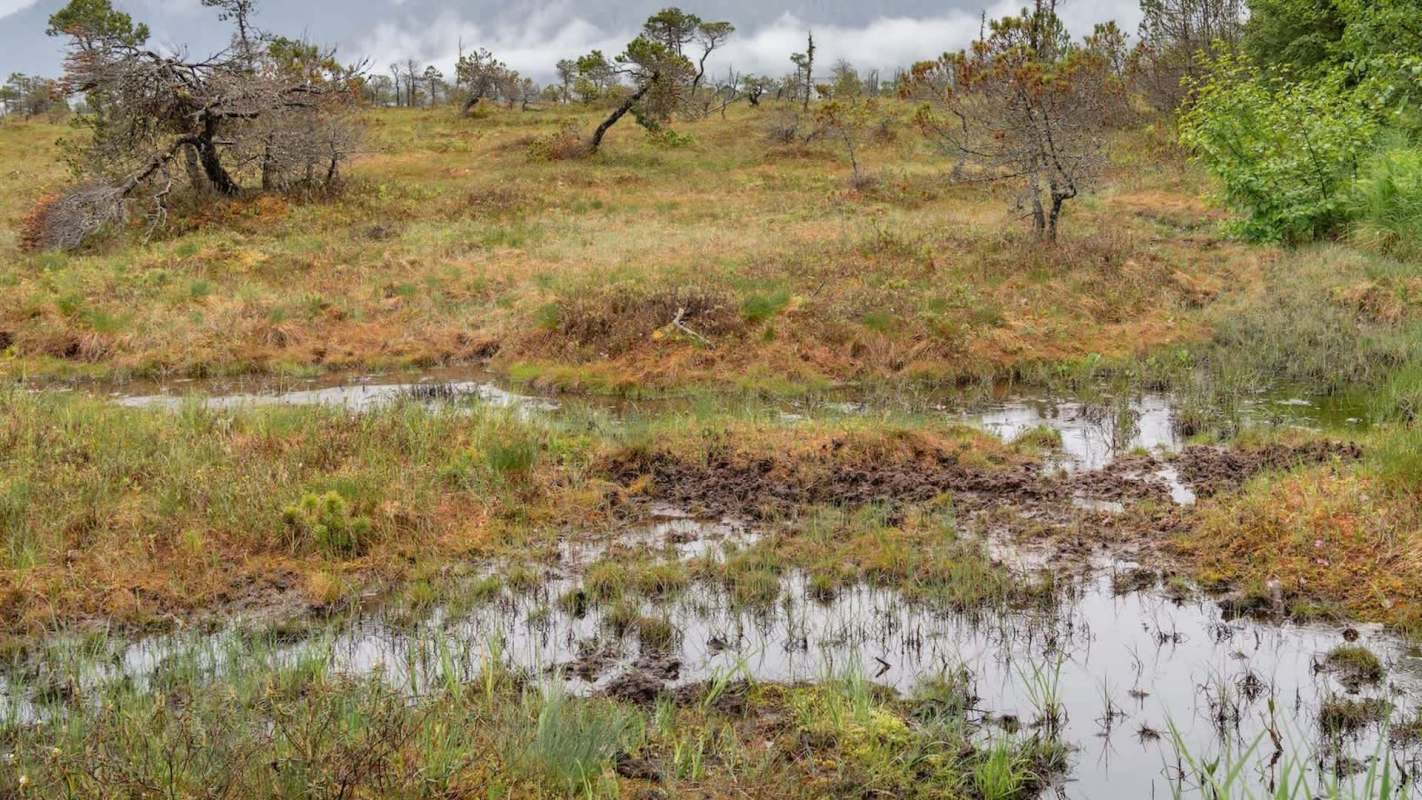
Indonesia's peatlands store water and carbon while supporting wildlife and nearby communities. When those landscapes are drained and degraded, however, dry spells can leave them highly vulnerable to fire — a major concern as Indonesia may face another difficult year in 2026.
Here's what to know
Research on the country's peatland restoration efforts suggests that repairing damaged peatlands can reduce fire risk, even as a strong El Niño increases the likelihood of a severe season.
As The Star reported, a republished commentary by Resti Salmayenti, a postgraduate researcher in tropical peatland restoration; Dominick Spracklen, a professor of biosphere-atmosphere interactions; and Joseph Holden, a professor and chair of physical geography, all at the University of Leeds, said restored peatland areas in Indonesia saw wildfire hotspots fall by as much as 22% during the 2019 El Niño.
In 2015, about 2.6 million hectares (over 6 million acres) burned, and the pollution from those fires affected millions of people across Southeast Asia. Indonesia also saw major peatland fires during other El Niño years, including 2019 and 2023.
The 2015 disaster caused more than $16.1 billion in economic damage, excluding the wider environmental and public health toll. The researchers said El Niño-related drought was only part of the explanation and also pointed to deforestation, canal construction, and drainage for agriculture and development.
By 2024, about 1.6 million hectares (about 4 million acres) of peatland had been restored under Indonesia's program, which began after the government created its Peatland Restoration Agency in 2016.
TCD Picks » Quince Spotlight
💡These best-sellers from Quince deliver affordable, sustainable luxury for all




More background
The commentary said a strong El Niño is expected to peak in 2026 and reduce rainfall. It also said hundreds of wildfire hotspots have been recorded, including in peatland areas, and that Indonesian government figures showed more than 100,000 hectares (approximately 247,105 acres) burned from January through June 2026.
Peatland fires threaten homes, livelihoods, public health, biodiversity, and regional air quality. Severe fire seasons can bring dangerous smoke exposure, disrupted work and school, and damage to land that communities rely on.
Researchers compared restored and unrestored peatlands in Sumatra and Kalimantan. The findings said rewetting reduced peatland fires by 38% compared with 2015, although restored areas still had much higher hotspot density than intact peat forests that had not been logged or drained.
That means restoration can reduce risk, but it does not restore the full protection of intact peat ecosystems.
What's being done?
The main restoration tools examined were canal blocking and deep wells, both designed to rewet dried peat. Deep wells performed better overall because pumped water can directly moisten peat during the dry season and help extinguish fires.
Canal blocking can still be effective, particularly when the structures are installed in suitable locations and in clusters. However, the researchers pointed to a major obstacle: A separate 2015-2024 study reported damage to 70% of canal-blocking units, limiting their effectiveness.
Restoration requires maintenance, not just installation. The researchers also said canal blocks do the most to keep peat wet when they are roughly a year old, underscoring the need for regular upkeep.
Repairing damaged landscapes can cut wildfire risk and help shield people, wildlife, and the economy. Still, the strongest protection is to avoid destroying peatlands in the first place.
Despite the progress, the researchers stressed that restoration has limits.
"But restoration, while beneficial, cannot replace intact peatlands. So, protecting these peatlands should remain the top priority, especially as the threat of severe droughts grows stronger and more intense, due to climate change," they said, per The Star.

Get TCD's free newsletters for easy tips, smart advice, and a chance to earn $5,000 toward home upgrades. To see more stories like this one, change your Google preferences here.






