


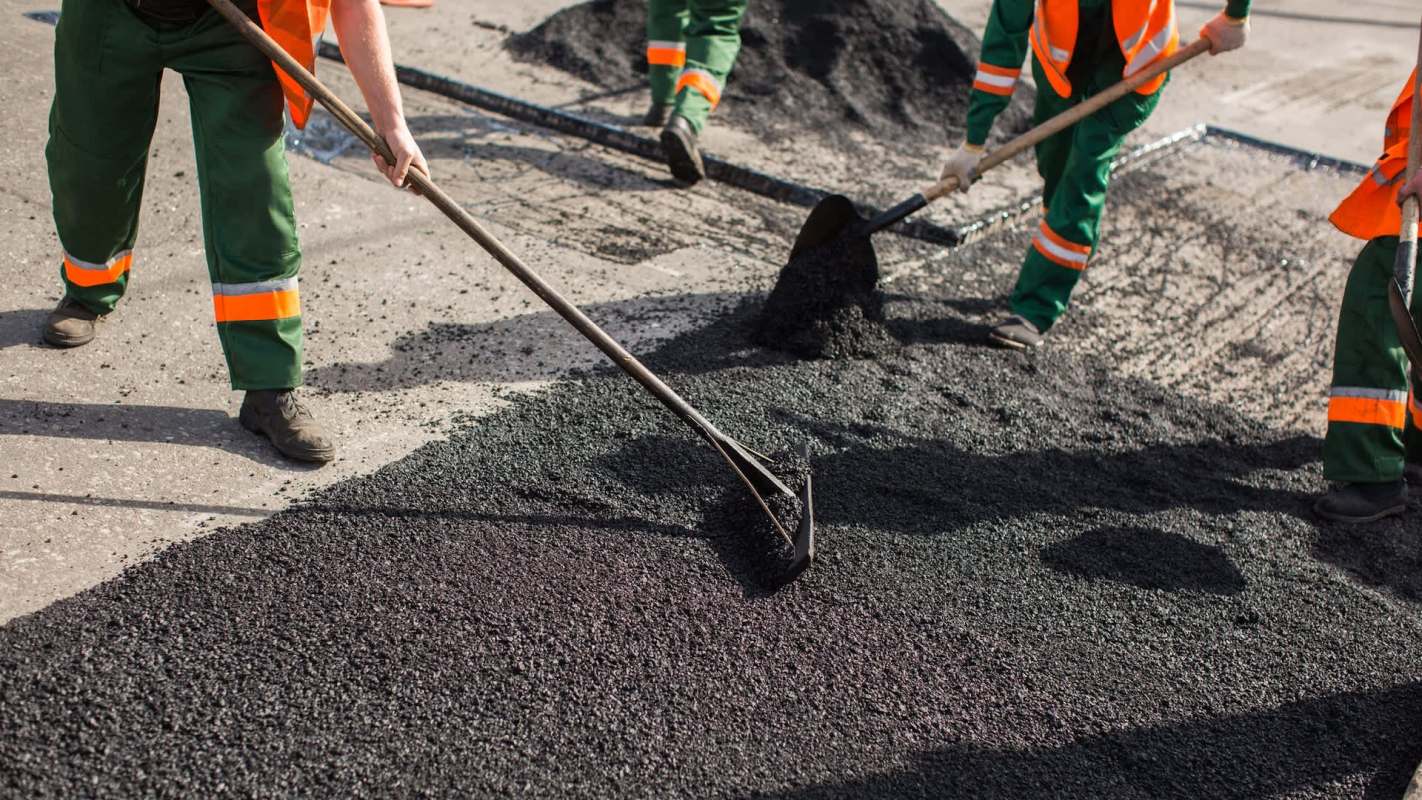
House Republicans are trying to stop a federal workplace heat standard from taking effect, a move that could leave outdoor workers, such as construction and road crews, without guaranteed access to water, shade, or paid breaks when temperatures become dangerous.
For people working on asphalt, rooftops, and job sites in extreme heat, the outcome could be a matter of life and death.
Here's what to know
On July 21, the House Education and the Workforce Committee advanced H.R. 6213, the Heat Workforce Standards Act of 2025, on an 18-15 vote divided entirely along party lines, with all Republicans supporting it and all Democrats opposing it, per ForConstructionPros.
The measure would stop the Secretary of Labor from putting OSHA's August 30, 2024, heat injury and illness prevention rule into effect, along with any closely related version of that standard.
OSHA's draft rule relies on two heat-index thresholds. At 80 degrees, employers would have to provide cool drinking water, make shaded or air-conditioned break areas available, offer paid rest breaks as needed, and implement an acclimatization plan for new or returning workers.
Once the heat index reaches 90 degrees, the proposal would also require a paid 15-minute break every two hours, either supervisor checks or a buddy system, and a pre-shift hazard alert, per ForConstructionPros.
TCD Picks » Quince Spotlight
💡These best-sellers from Quince deliver affordable, sustainable luxury for all




Representative Mark Messmer (R-Indiana), described the committee vote, according to the outlet, as "an important step toward rolling back more of the unnecessary Biden-era regulations."
More background
For road crews and construction workers, the issue is especially acute because official air temperatures do not always reflect what they actually endure on the job. Due to the urban heat island effect, outdoor crews are likely experiencing temperatures higher than expected or reported.
Blocking a federal standard could slow progress on workplace safety as hotter summers raise the risks.
"As crews keep paving through the high heat days of August, they do so with the knowledge the law creeping closer to passage isn't designed to protect them, but to protect their employer's bottom-line," ForConstructionPros wrote.
The congressional push also follows state actions that have narrowed protections in some places. Texas, Florida, and Georgia, for example, have all limited local governments' ability to require water and shade breaks for outdoor workers.

Get TCD's free newsletters for easy tips, smart advice, and a chance to earn $5,000 toward home upgrades. To see more stories like this one, change your Google preferences here.






