


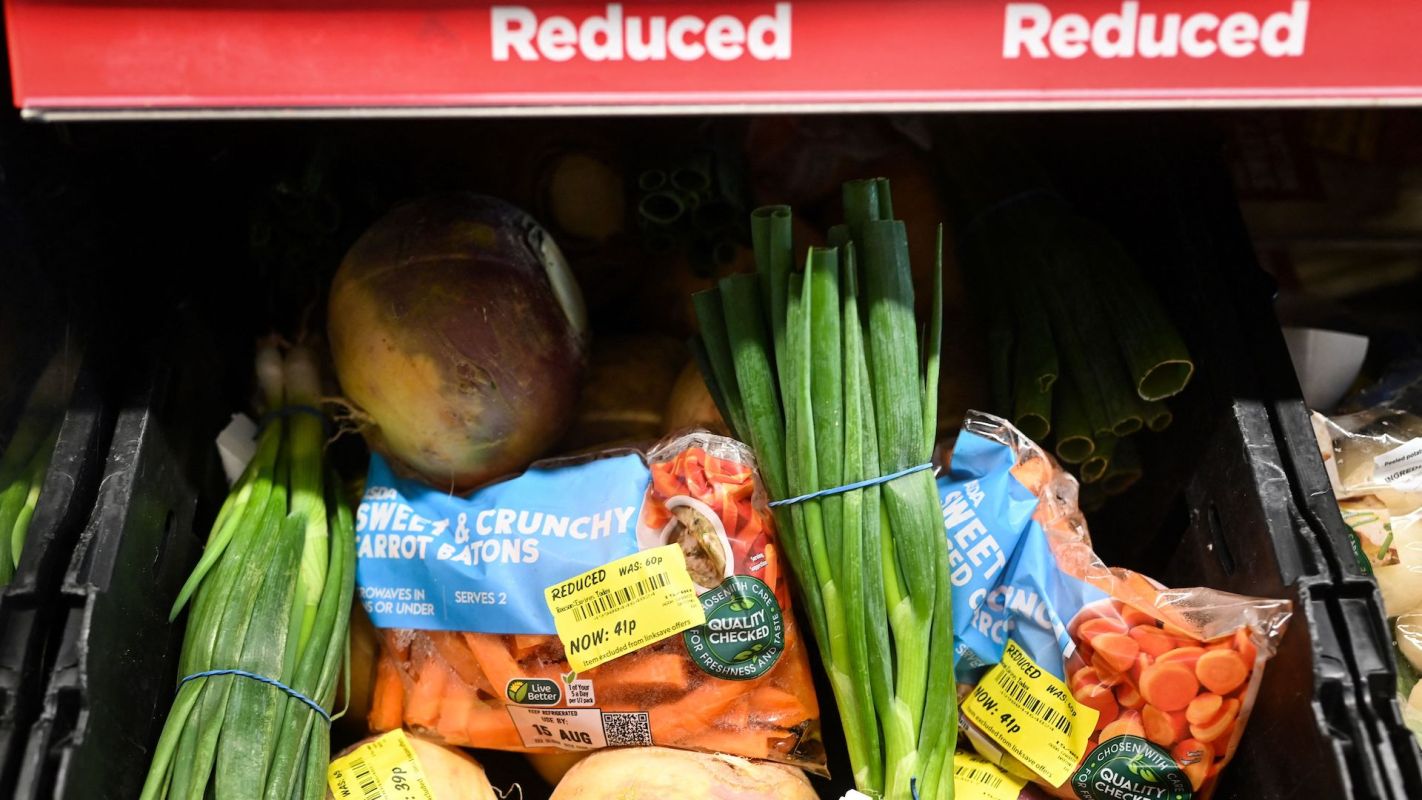
Nearly 15,000 people have backed a U.K. petition calling for tougher rules on supermarket food waste, enough to require a formal reply from the government. But the response did not include the blanket ban campaigners wanted.
Rather than support a prohibition, ministers said current policy already puts redistribution first, meaning safe surplus food should go to people in need before "lower-value" disposal options are used, Manchester Evening News reported.
Here's what to know
The campaign began on Feb. 11.
It asks the government to make supermarkets donate edible surplus food, including products nearing their best-before dates and items rejected only for minor imperfections.
"Everyday, UK supermarkets throw away tonnes of edible food while millions of people rely on food banks to survive," the petition read in part.
Supporters argue that requiring companies to donate surplus food to charity could help fight hunger, reduce environmental damage, and push companies to act more responsibly.
TCD Picks » Quince Spotlight
💡These best-sellers from Quince deliver affordable, sustainable luxury for all




After the petition passed 10,000 signatures, the government was required to issue a written response. In that Aug. 19 reply, it stopped short of endorsing a ban and referred instead to existing policy.
"Under the government's Food and Drink Waste Hierarchy businesses are expected to prioritise the redistribution of edible surplus food to people in need before considering lower-value options," the response stated.
If the petition had reached 100,000 signatures, the issue would have been considered for a debate in Parliament.
More background
When food is wasted, it does not just mean fewer meals for families already facing high living costs.
It also means the water, energy, labor, packaging, and transportation used to produce that food are wasted.
In its response, the government included food waste figures for the U.K., estimating the total at around 11.2 million tons (10.2 million metric tons) each year.
According to the statement, households account for the largest share, at 6.6 million tons (6.0 million metric tons), or 58% of the total. Retail, including supermarkets, accounts for 0.22 million tons (0.2 million metric tons), or 2%.
Supermarket waste is only one part of the wider problem, even if it is among the most visible.
Food must be safe for human consumption before it can be donated, and retailers remain responsible for proper storage, refrigeration, and adherence to food safety standards.
What's being done?
The Department for Environment, Food and Rural Affairs said the priority should be preventing surplus food from being created at all.
When extra food does arise, it said businesses should be prepared for the "safe and speedy redistribution of edible food to people in need."
The government also emphasized that supermarkets remain responsible for their own equipment and food-handling decisions. Food that cannot be assured to be safe for people to eat cannot legally be given out and must instead be handled in accordance with food-safety rules.
Officials said they are supporting industry efforts through WRAP's UK Food and Drink Pact, plus the Food Waste Reduction Roadmap. The initiatives are meant to help companies track and cut waste, set targets, and get more surplus food to charities and redistribution groups.
The response also pointed to a "new national programme to redistribute surplus food," announced on May 13, as part of a broader effort to tackle avoidable food waste across the supply chain.
The central argument from supporters remains unchanged: "No one should go hungry while good food is thrown away."

Get TCD's free newsletters for easy tips, smart advice, and a chance to earn $5,000 toward home upgrades. To see more stories like this one, change your Google preferences here.







