


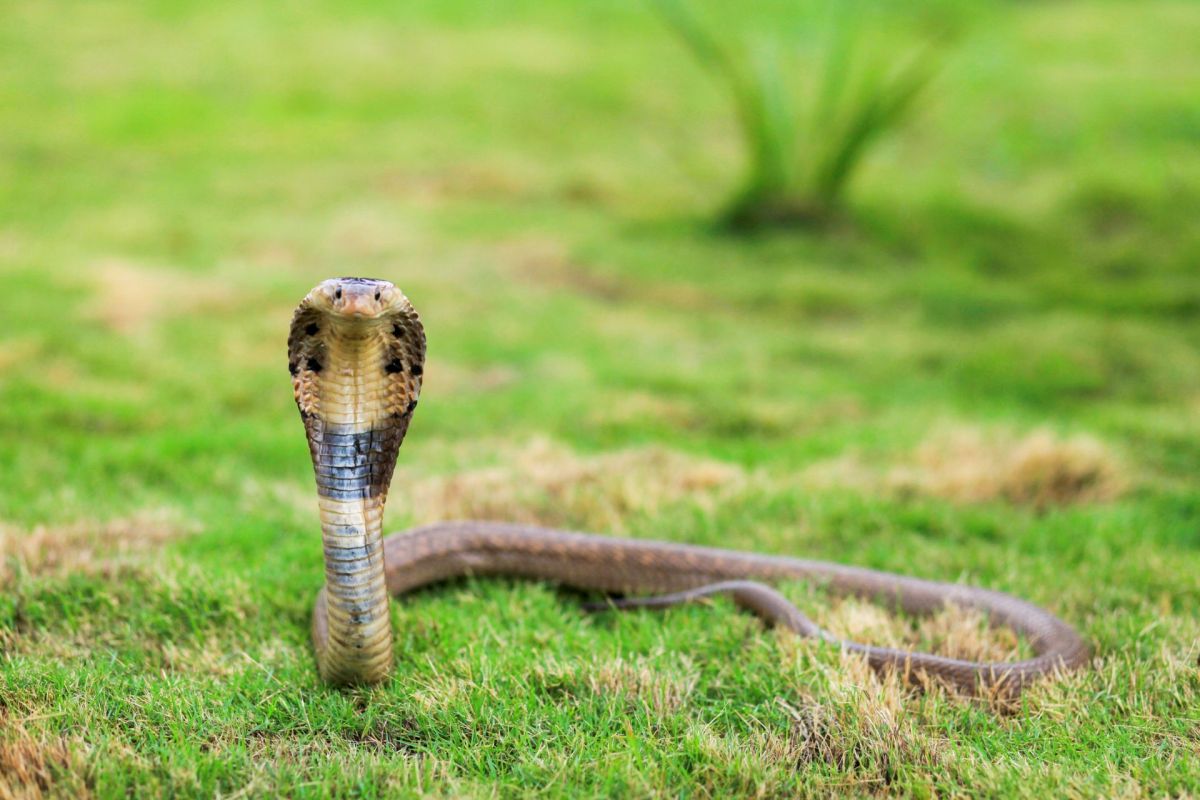
Residents at a tea-estate bungalow in Assam were thrown into a panic when a highly venomous monocled cobra entered the property, prompting a tense rescue that lasted about an hour and ended with the snake being safely removed and released.
Here's what to know
According to the Barak Bulletin, the rescue took place on May 22 at Irongmara Tea Estate near Dwarbond in Assam's Cachar district, after an adult monocled cobra entered the bungalow of a tea garden official.
The operation was led by wildlife conservationist Trikal Chakrabarty, with assistance from forest officials Rohit Malakar, Rameshwar Chasa, and Sabir Ahmed Laskar, as reported by Barak Bulletin. By the end of the roughly hourlong effort, the team had secured the snake and released it in its natural habitat.
Wildlife experts say the monocled cobra's venom is extremely potent, and that delayed treatment can lead to paralysis or death. Barak Bulletin identified the snake as a Naja species and as one of the more aggressive cobra species found in the region.
More background
People and wild animals are increasingly sharing space in many parts of the world. While the exact reason the cobra entered the bungalow remains unclear, such incidents can become more common when homes, estates, and other developed areas sit close to natural habitat.
Human-driven land-use changes can help explain why wildlife appears in unexpected places. As this explainer on why wild animals attack humans notes, many conflicts are not random acts of aggression but the result of shrinking habitat, stress, and close contact with people.
TCD Picks » Quince Spotlight
💡These best-sellers from Quince deliver affordable, sustainable luxury for all




What's being done?
Barak Bulletin said the rescuers handled the cobra without injuring it, moved it to a more suitable habitat, and organized awareness sessions for local residents on snake safety and wildlife protection.
Knowing not to approach, strike, or try to capture a snake can reduce the risk of bites. Calling trained wildlife rescuers or forest officials is generally the safest course of action when venomous animals enter homes or work sites.
For communities near plantations, forests, or semi-rural developments, prevention can also help. Keeping living spaces free of clutter, sealing openings animals may use to enter, and staying cautious around storage areas or thick vegetation can lower the risk of sudden encounters.

Get TCD's free newsletters for easy tips, smart advice, and a chance to earn $5,000 toward home upgrades. To see more stories like this one, change your Google preferences here.






