


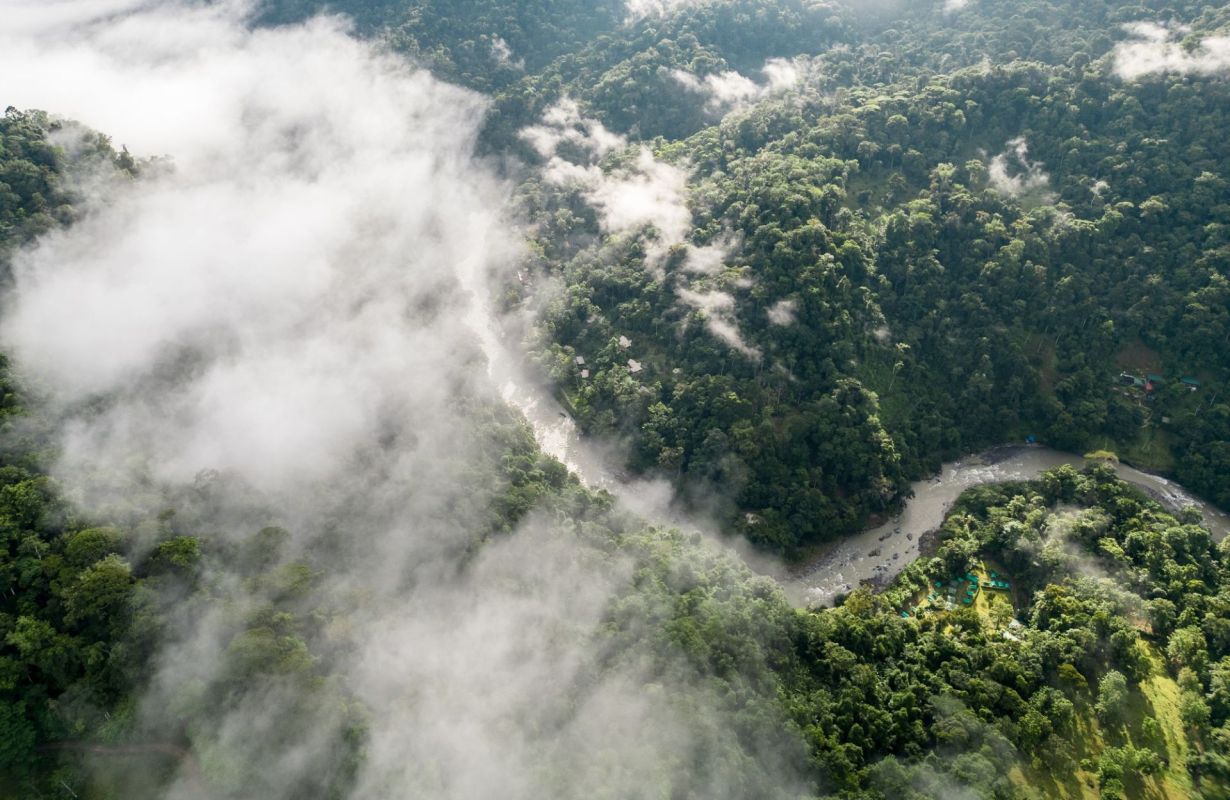
Costa Rica's Monteverde cloud forest gets well over 100 inches of rain each year, but scientists say the ecosystem is nevertheless losing moisture.
This shift could have serious implications for biodiversity, water retention, and the people who depend on the forest.
Here's what to know
The paradox is at the center of a PBS investigation, which noted that "one of America's wettest ecosystems is dying of thirst." After climbing 70 feet or more into the canopy, researchers zeroed in on epiphytes, such as mosses, ferns, and orchids, which live on trees and take in moisture from fog and mist.
Those plants manage the forest's water by capturing moisture from the air and releasing it gradually. Scientists tested that function by stripping epiphytes from 10 trees and comparing them with 10 trees left intact. The trees without epiphytes grew hotter and drier, and water moved through them faster rather than being held in the canopy and soil.
More background
Yearly rainfall in the Monteverde region is still roughly in line with where it was, so the change appears to be in the clouds. University of Kentucky ecophysiologist Sybil Gotsch told PBS that epiphytes are "the canary in the coal mine" because they show atmospheric strain before the rest of a forest does.
Rising temperatures are lifting the cloud base higher up the mountain, bringing longer dry seasons, fewer mist-filled days, and less of the steady moisture that defines a cloud forest.
TCD Picks » Quince Spotlight
💡These best-sellers from Quince deliver affordable, sustainable luxury for all




According to the report, moss and moss-like plants can hold over 400% of their dry weight in water. Researchers said they may intercept as much as 60% of the nitrogen arriving in mist, fog, and rain even though they account for only 10-15% of the forest's biomass.
A degraded epiphyte system could put the watershed at risk along with wildlife habitat and the wider landscape that supports farming, tourism, and downstream communities.
"As a Costa Rican, this is so incredibly worrying. Our biodiversity and nature is our country's greatest treasure," one commenter wrote.
What's being done?
Restoration work could give the ecosystem a better chance to retain water, support habitat, and adjust. Another team featured by PBS has been restoring native forest on Costa Rica's Pacific slope, where the forest was cleared for pasture.
Leaders said the project started in 1998 and has distributed more than 310,000 native trees. The group produces at least 18,000 trees each year, though demand is higher. Altogether, continued local action can improve ecosystem health and increase community resilience.
"I'm not pretending to save the planet, but I do what I can in my space, and in my space I plant trees," said Victorino Molina Rojas, co-founder of Fundación Conservacionista Costarricense.

Get TCD's free newsletters for easy tips, smart advice, and a chance to earn $5,000 toward home upgrades. To see more stories like this one, change your Google preferences here.






