


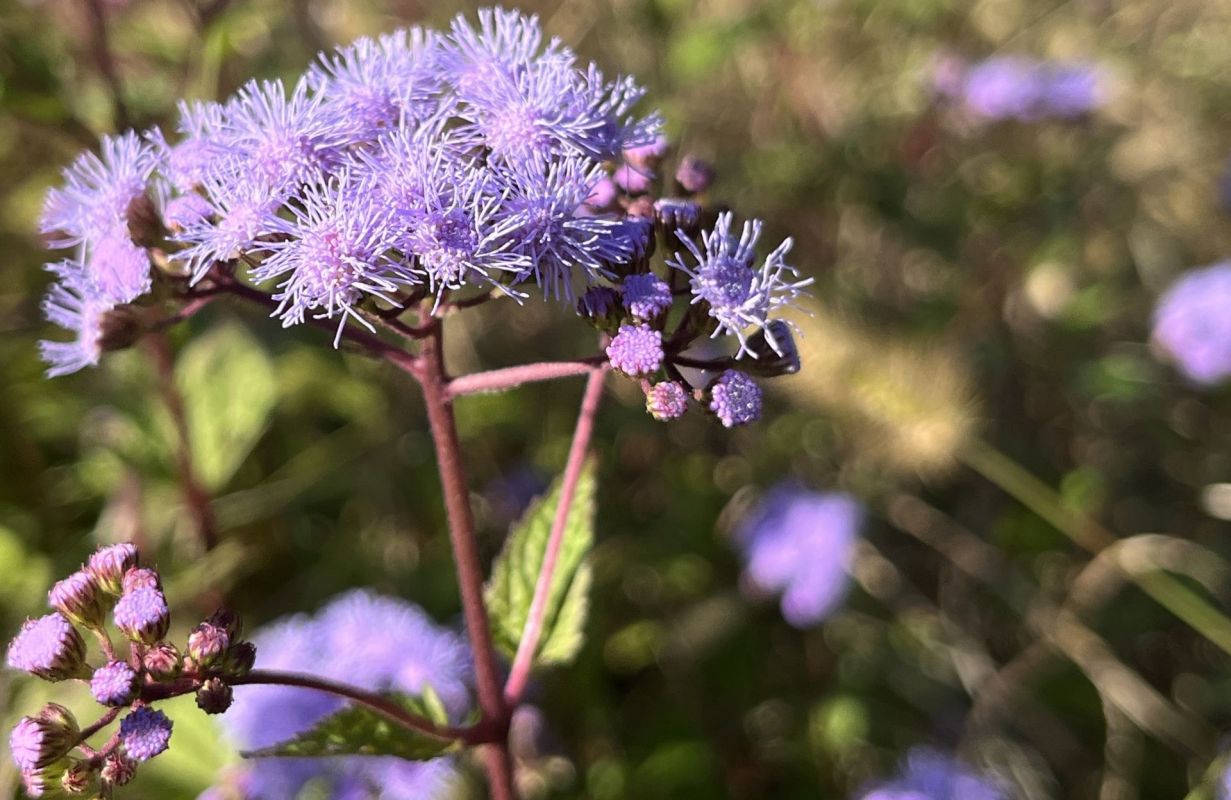
A Texas native plant installer highlighted blue mistflower as a smart pick for fall gardens, showing in a video a plant covered in butterflies.
For anyone hoping to support monarchs without taking on a high-maintenance yard, the argument is especially compelling.
Here's what to know
In a post on Instagram, TX Natives Perennial Landscaping (@tx.natives) urged gardeners to consider blue mistflower ahead of fall planting season.
"Blue mistflower (Conoclinium coelestinum) is one of those plants we end up using in almost every yard," the creator wrote. "Not because it's rare or flashy…but because it flat out performs."
That performance becomes especially noticeable in fall.
"From September through December, the amount of butterflies this thing attracts is honestly comical," the creator wrote. "During the monarch migration south, I'm not exaggerating when I say you'll see 15-25 monarchs and queens on a mature patch at any given time."
TCD Picks » Quince Spotlight
💡These best-sellers from Quince deliver affordable, sustainable luxury for all




More background
Blue mistflower's appeal goes beyond butterflies.
Plants native to a region are often better adapted than alternatives to local rainfall, temperatures, and soil conditions, which can mean less maintenance for the people growing them.
Native plant lawns and lawn replacements continue to draw attention. Replacing part or all of a grass lawn can save time and money on mowing, trimming, and other upkeep while lowering water bills. Even a partial lawn replacement can offer those benefits.
There are several low-maintenance ways to make that shift, depending on where you live and the kind of yard you want. Native plants are one option, while clover, buffalo grass, and xeriscaping can also reduce maintenance and water use compared to a conventional lawn.
For Texas gardeners in particular, the timing works in blue mistflower's favor. Fall planting can help perennials establish themselves before harsh summer heat returns, making it easy to build a yard that supports pollinators and asks little of the homeowner.
What can be done?
The first step is choosing plants that are native to your area. A local native plant nursery, extension office, or regional plant society can help narrow down the best choices.
If you are rethinking your yard more broadly, replacing even one section of turf with pollinator-friendly plants can make a difference in maintenance and water use. You can explore rewilding your yard or upgrading to a natural lawn if you want a bigger reset.
The creator also addressed the plant's spreading habit, as it can move around a garden without becoming a major maintenance problem.
For gardeners still on the fence, TX Natives Perennial Landscaping said: "It's also a highly sociable plant. Give it room. It wants to mingle, spread, wander, and make friends. But don't let that scare you — it's incredibly easy to tame throughout the growing season with a quick tug or occasional pruning."

Get TCD's free newsletters for easy tips, smart advice, and a chance to earn $5,000 toward home upgrades. To see more stories like this one, change your Google preferences here.






