


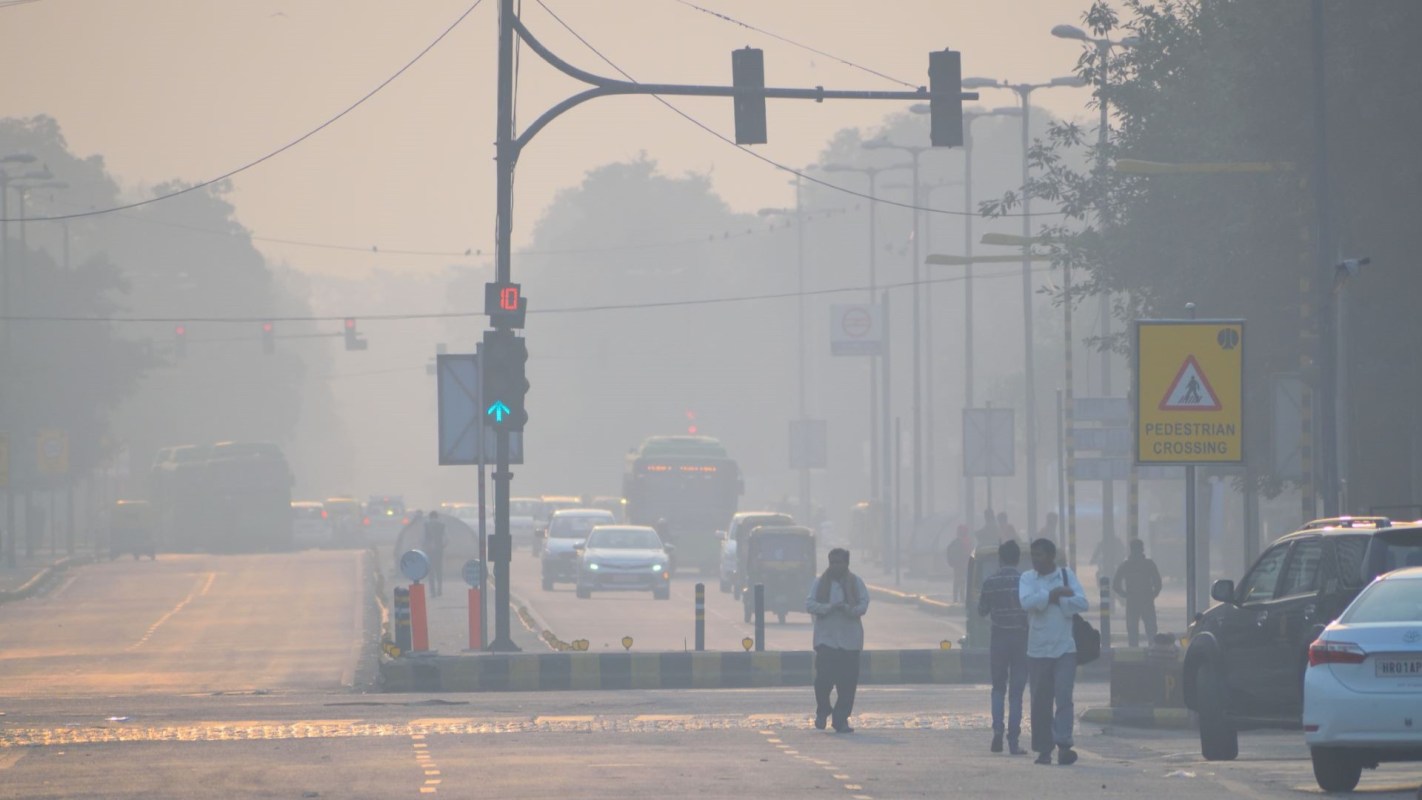
Delhi is preparing one of its toughest seasonal anti-smog measures yet: a 42-day halt to construction work across the city during the height of winter pollution season.
Here's what to know
Under the plan, sites larger than 5,382 square feet (500 square meters) would be monitored through the city's Dust Portal and AI-enabled cameras, India's Times Now (@timesnow) reported on Instagram.
All construction activity across Delhi would be suspended under a complete ban from December 10 to January 20 to curb winter pollution.
According to Times Now, real-time alerts would be sent to the government's Control and Command Centre, enabling authorities to act more quickly by issuing notices, warnings, and fines.
Chief Minister Rekha Gupta said the tighter oversight is intended to prevent a repeat of earlier restrictions, when some projects allegedly continued operating "behind covers."
Construction dust is only one part of Delhi's air-quality crisis, but it is one of the sources officials can regulate directly.
TCD Picks » Quince Spotlight
💡These best-sellers from Quince deliver affordable, sustainable luxury for all




More background
A shutdown on this scale could interrupt wages for daily laborers, delay housing and infrastructure projects, and put pressure on contractors working within tight timelines.
Those concerns are especially serious in a city where many workers may not be able to absorb weeks of lost income.
Mainstream criticism of these bans often centers on fairness. If pollution comes from multiple sources, some argue that construction workers and small builders could end up bearing too much of the burden.
"It's 350 AQI in summers," one commenter noted. "What nonsense are they talking?"
"If those steps will be taken in whole Delhi NCR that would be a great initiative too," another said. "Everyone's focus during winters is Delhi, and major nearby cities are forgotten or does not get coverage. Ghaziabad and nearby cities also face a very heavy pollution in winters."
What's being done?
Residents are also being asked to report suspected violations to the Municipal Corporation of Delhi, their Member of Legislative Assembly, or the chief minister, Times Now said.
In dense neighborhoods, residents are often the first to notice whether work is continuing despite official orders.
Better dust suppression, covered transport of debris, cleaner machinery, and stricter compliance before winter begins could reduce the need for shutdowns later.

Get TCD's free newsletters for easy tips, smart advice, and a chance to earn $5,000 toward home upgrades. To see more stories like this one, change your Google preferences here.







