


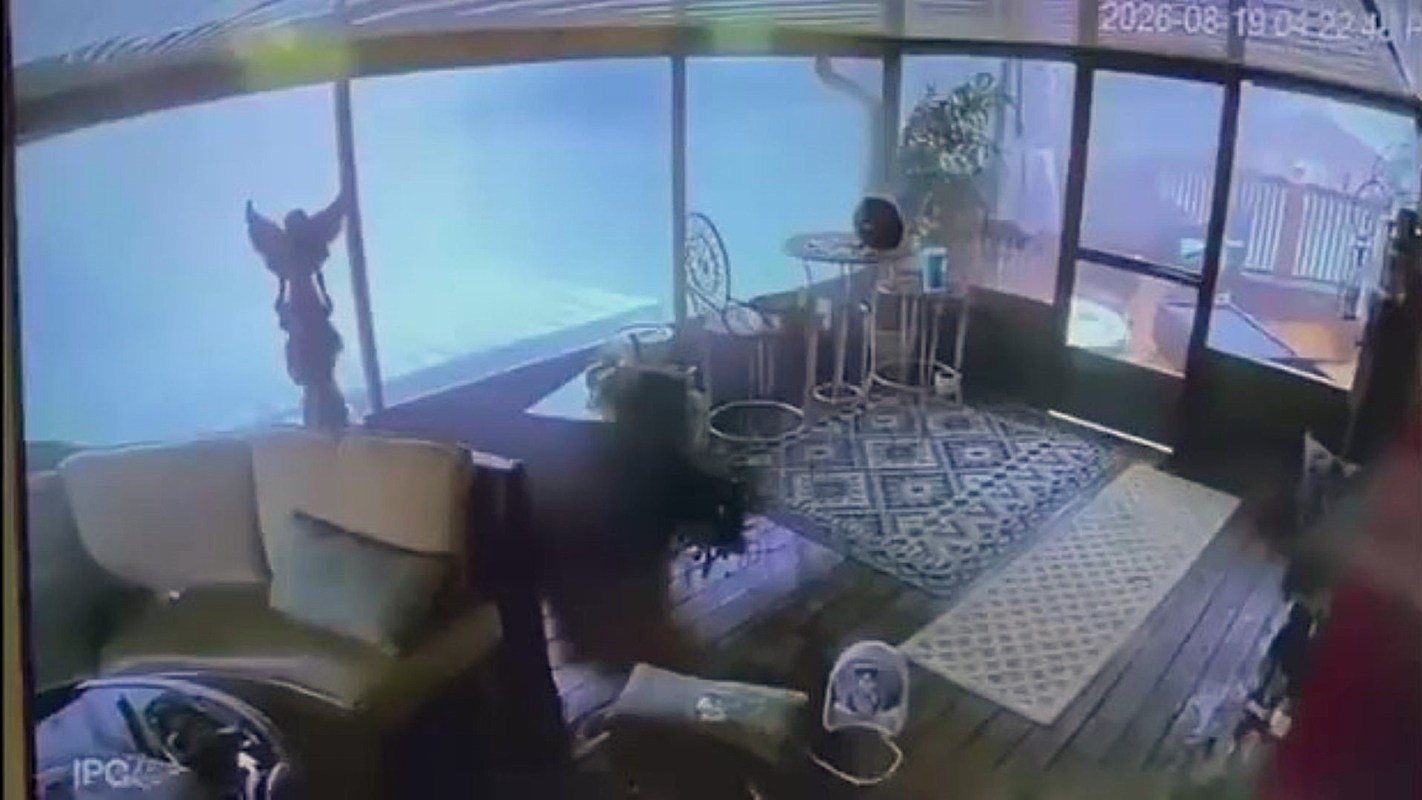
Eyewitness video from southern Alabama captured a sunroom being ripped apart during severe thunderstorms on Aug. 19, offering a stark example of the kind of destruction a microburst can cause.
Scenes like this also show why some storm damage may resemble the aftermath of a tornado even when no tornado was involved.
Here's what to know
On Aug. 20, The Weather Channel (@weatherchannel) featured eyewitness footage from southern Alabama on Instagram.
A caption explained that the clip showed a microburst "obliterat[ing] a sunroom" during severe storms on Aug. 19.
"A microburst is a localized column of sinking air within a thunderstorm that produces damaging, straight-line winds when it hits the ground," the network said of the phenomenon.
Microbursts can leave behind damage that homeowners could easily mistake for a tornado's wrath.
TCD Picks » Quince Spotlight
💡These best-sellers from Quince deliver affordable, sustainable luxury for all




Both can tear apart roofs, fences, patios, and attached rooms, but the wind patterns are different.
Tornadoes rotate, while microbursts send air crashing downward and outward.
More background
Microbursts are relatively small in scale compared with many other storm systems, but they can still be extremely dangerous.
Once sinking air from a thunderstorm hits the ground, it spreads outward with force, creating powerful straight-line winds that can snap trees, down power lines, and damage buildings in seconds.
Cleanup and insurance questions can also become more complicated.
If a property owner sees mangled siding or a collapsed structure, the first assumption may be that a tornado touched down. But severe thunderstorm winds can produce similarly dramatic destruction.
In regions such as the Gulf Coast and Deep South, warm, moisture-rich air can help fuel intense thunderstorms.
Even when a storm does not trigger a tornado warning, it may still carry a serious risk of destructive wind damage.
The Alabama video underscored how vulnerable additions such as sunrooms, porches, and other lightly reinforced attached structures can be when sudden winds hit broad surfaces.
What can be done?
Preparation starts with understanding that severe thunderstorm warnings deserve the same attention many people often reserve for tornado alerts.
If damaging winds are possible, moving away from windows and sheltering in an interior room can help reduce the risk of injury from shattered glass or flying debris.
It can also help to document your property before storm season and again after any major weather event.
Photos, videos, and notes about when damage occurred can be useful when filing insurance claims or explaining what happened to contractors and adjusters.
On the home-protection side, securing loose outdoor furniture, trimming weak tree limbs, and checking attachments such as patio covers or sunrooms for structural weaknesses can lower the odds of major losses during straight-line wind events.
In the comments, a few viewers voiced what many others were thinking about the intense weather shown in contrast with its diminutive name.
"That was everything else but micro," one wrote.
"Doesn't look very micro tbh," another replied.
At least one commenter was familiar with the destructive power of microbursts, though.
"Microbursts can be very powerful and dangerous. A strong microburst can have winds over 100mph!" they replied.

Get TCD's free newsletters for easy tips, smart advice, and a chance to earn $5,000 toward home upgrades. To see more stories like this one, change your Google preferences here.






