


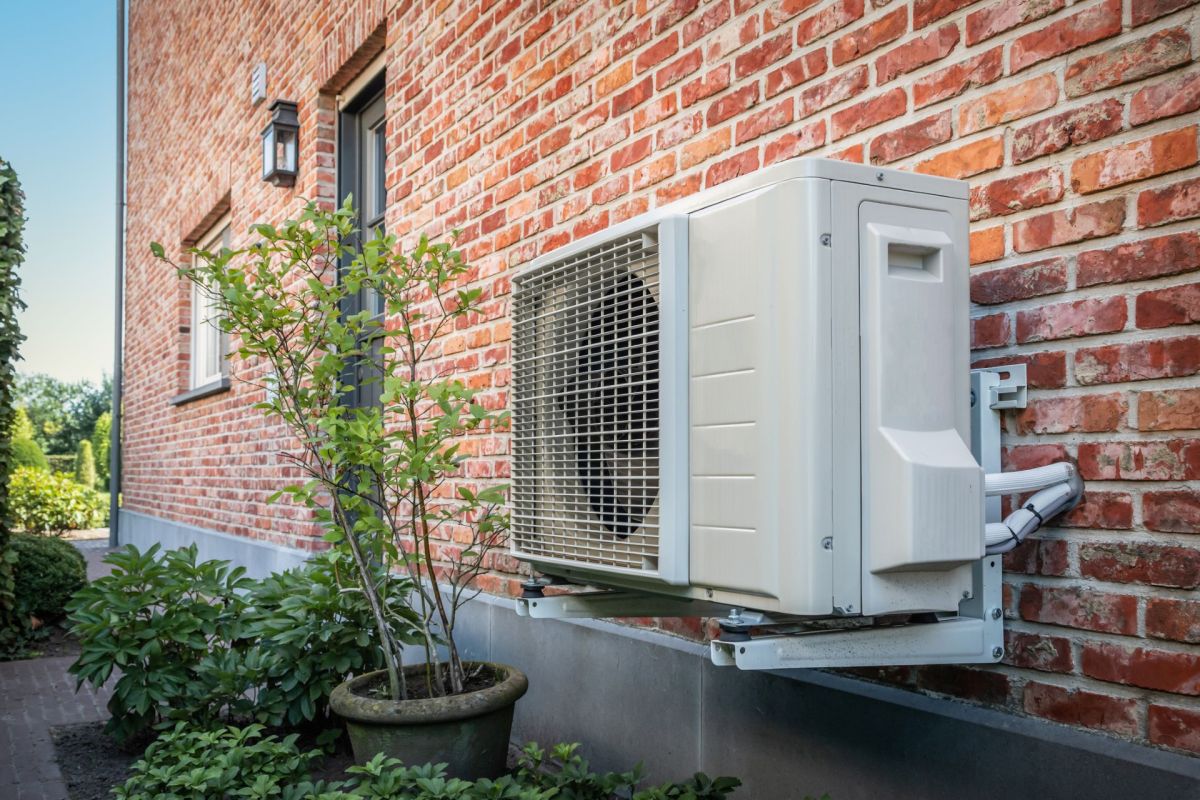
With an aging HVAC system and a home heated by costly oil, a New York homeowner posed a question many people eventually face: Does switching to a heat pump make financial sense?
Other homeowners largely agreed that moving away from oil could be worthwhile, with one key condition: the equipment has to be sized correctly.
Replacing older heating and cooling equipment can be an effective way to reduce utility costs and limit exposure to rising energy prices.
Here's what to know
In a Reddit thread, the homeowner said oil costs about $3.30 per gallon in their area of New York, while electricity runs around $0.27 per kilowatt-hour.
They later added, "I spend roughly 1000 dollars each time the fill up and it about 3 time during the winter season."
That works out to about $3,000 spent on oil over the winter alone.
Swapping out an old system for an efficient heat pump can substantially reduce costs, especially for households trying to get off oil.
The practical advice in the comments was consistent: check the sizing and shop around.
Crushed by your bills? See instant solar savings from vetted installers in just a few clicks With energy prices through the roof, there's never been a better time to go solar — and EasyHome can help you find the best prices from the best installers in your area. EasyHome takes the guesswork and headaches out of energy upgrades by showing you estimated savings from a network of vetted local partners. To get started, just enter your ZIP and share a few details about your home — seeing your estimate is really that easy. |

One user wrote, "Ditching oil for a heat pump pump pays off fast, just get a proper load calc before sizing it."
Another cautioned homeowners against overpaying, saying, "Always get three estimates at least."
If you're trying to sort through your options, Palmetto can help you understand your HVAC options and slash your energy bills with new, efficient HVAC systems and heat pumps. Palmetto's Comfort Plan network can help you find efficient heating and cooling solutions for your home and connect you with vetted installers.
More background
Heat pumps have become a much bigger part of the home energy conversation because they can both heat and cool a home while using electricity far more efficiently than traditional heating systems. That can make them especially appealing when older equipment is already due for replacement.
Sizing kept coming up in the discussion. Several commenters recommended getting a Manual J load calculation to match the system to the home's actual heating and cooling needs. Too much capacity can lead to short-cycling and weaker efficiency, while too little can leave the system struggling in colder weather.
Commenters also debated how well heat pumps hold up in deep winter.
Some said newer systems continue to perform well below freezing, while others noted that extreme cold can reduce efficiency and trigger backup heat if the setup is not right.
One homeowner offered a warning from experience: dropping the thermostat too far overnight caused auxiliary heat to kick in, sending the electric bill much higher.
When it came to choosing a unit, some commenters focused less on branding and more on the numbers that affect long-term value.
As one person put it, "Brand doesn't really matter, efficiency numbers and warranty are the two main things to look at when comparing other than BTU obviously."
What can be done?
A useful starting point is to compare current oil spending with the expected electricity use of a properly sized heat pump. For a home where winter oil costs can reach several thousand dollars, the savings may still be substantial even if the electric bill goes up.
Before moving forward, homeowners can request a Manual J calculation, gather at least three estimates, and closely review the unit's warranty, efficiency ratings, and cold-weather performance.
Palmetto can also help if upfront cost is the main barrier. Through Palmetto's Comfort Plan, you can explore options.
And if you want to drive costs even lower, you can pair solar panels with electric appliances, such as efficient HVAC systems. EnergySage makes it easy to find the best solar system and installer for your home and budget.

Get TCD's free newsletters for easy tips, smart advice, and a chance to earn $5,000 toward home upgrades. To see more stories like this one, change your Google preferences here.






