


A Finder survey suggests grocery pressure in Australia is showing up in more serious ways than simply switching brands or waiting for sales. It indicates that the cost-of-living crisis is driving millions of people toward choices that can come with health, safety, and social risks.
Here's what to know
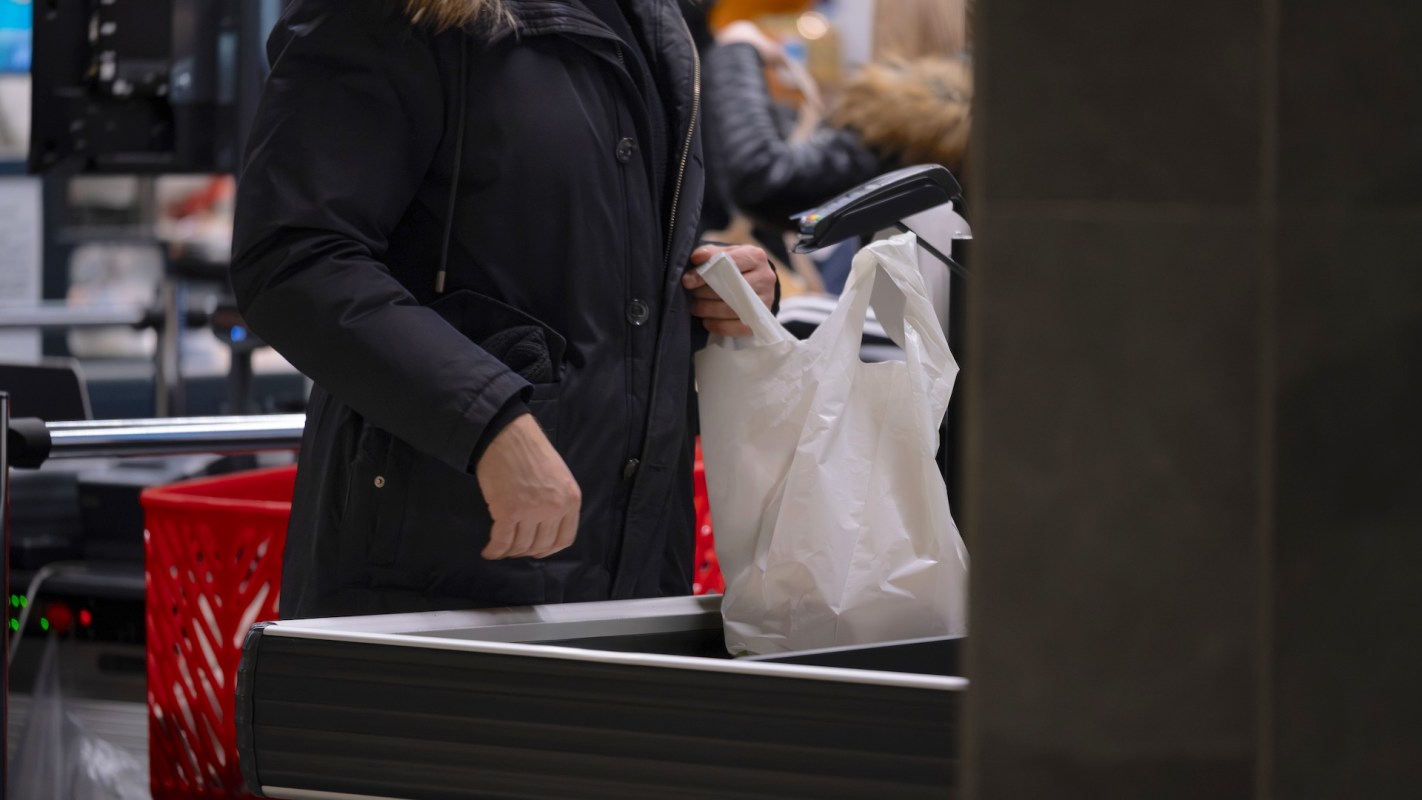
According to Yahoo Lifestyle, Finder reported that about 870,000 Australians, or 4%, had deliberately scanned items as cheaper products at supermarket self-checkouts, while 14% — roughly 3 million people — said they had eaten food past its date to save money.
While many shoppers are still relying on more common ways to cut their grocery bills, the survey suggests a growing number of people are pushed into riskier decisions just to get through the week.
Finder personal finance expert Sarah Megginson said the findings show the result of rising financial pressure on some households.
"When people are eating expired food or resorting to theft to feed themselves, it's a sign the cost-of-living crisis is pushing some households into genuine financial hardship," she said.
Yahoo Lifestyle also reported that 24% of shoppers were picking "ugly" fruit and vegetables, 32% were buying in bulk, and 42% had turned to supermarket brands to save money.
TCD Picks » Quince Spotlight
💡These best-sellers from Quince deliver affordable, sustainable luxury for all




More background
Grocery stress can translate into poorer nutrition, heightened anxiety, and less room in household budgets for savings, medical care, education, or other essentials that help build long-term stability.
One commenter wrote, "My husband and I are definitely eating less, while making sure our kid is well covered. We're eating much cheaper, simpler foods. A peanut butter sandwich instead of a full meal."
What can be done?
The survey suggests that lower-risk strategies are already widely in use, including switching to cheaper store brands, buying in bulk when it truly saves money, and choosing imperfect produce that is still nutritious. Those steps may help cut costs without introducing the health risks associated with eating food past a safe use-by date.
The difference between "best before" and "use by" labels can matter, because food quality and food safety are not always the same thing. Still, families facing intense financial strain should not have to rely on that distinction alone to stay fed.
The findings point to the need for stronger support systems that keep healthy food consistently affordable, rather than treating hunger and financial stress as personal failings. Increased retail crackdowns and more self-checkout surveillance may deter some theft, but they do little to address the underlying pressures driving people to desperation in the first place.
As Megginson put it, "Most Australians are doing the right thing by switching to cheaper brands or changing what they buy, but for some families, those options simply aren't enough anymore."

Get TCD's free newsletters for easy tips, smart advice, and a chance to earn $5,000 toward home upgrades. To see more stories like this one, change your Google preferences here.






