


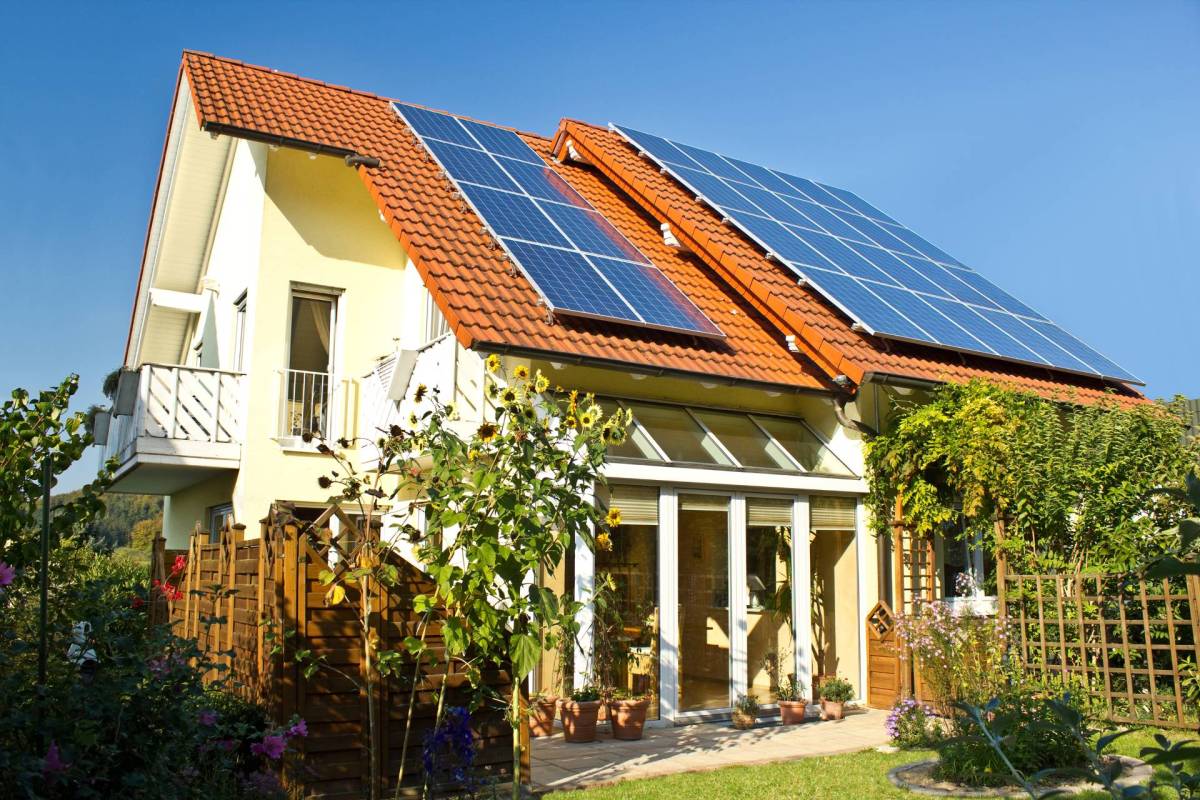
One DIY solar owner has shared the kind of real-world test many homeowners want to see before investing heavily in backup power, completing a 10-day stretch fully disconnected from their utility.
The home stayed powered through the combination of solar panels and batteries, even while charging an electric vehicle.
Here's what to know
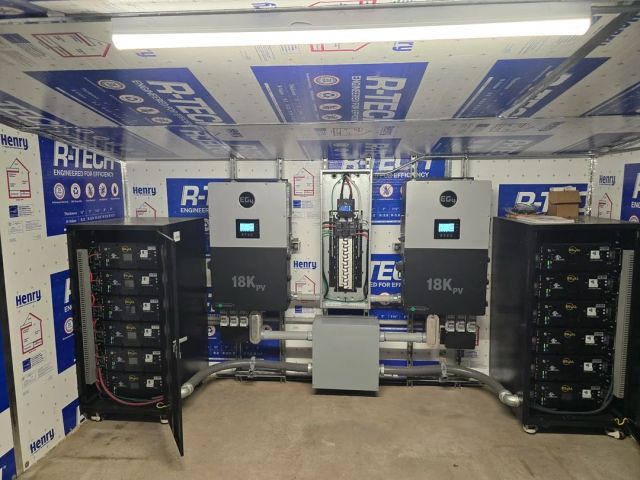
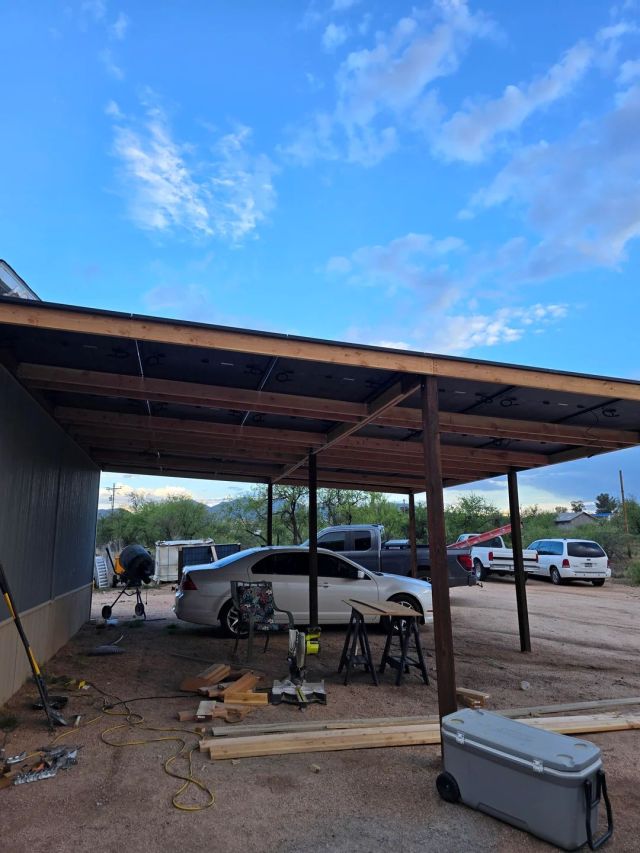
In a post to Reddit's r/SolarDIY community, the owner said the system uses 70 solar panels rated at 405 watts, two 18kPV inverters, and a 62-kWh battery bank.
On the strongest days, their solar output neared about 140 kWh. And after the test, the owner wrote, "Very happy, zero hiccups or issues."
Over the 10 days spent off-grid, the home used 658.9 kWh while the two inverters produced a combined 749.7 kWh. Of that total consumption, 447.5 kWh went to household use and 211.4 kWh went to EV charging.
Several commenters asked for pictures of the setup and were jealous of the "amazing numbers." While the OP didn't respond directly, photos were available in a separate Reddit thread.
One user even joked, "660kW of consumption… Damn, I want to see your electric bill before this."
More background
Battery storage can protect a home during outages, save money on energy, and support off-grid stretches when a system is sized correctly. It can keep essential appliances running during blackouts, help shift solar power into nighttime hours, and reduce the need to buy electricity when rates are highest.
Save $10,000 on solar panels without even sharing your phone number Want to go solar but not sure who to trust? EnergySage has your back with free and transparent quotes from fully vetted providers in your area. To get started, just answer a few questions about your home — no phone number required. Within a day or two, EnergySage will email you the best options for your needs, and their expert advisers can help you compare quotes and pick a winner. Solar panels can save you more than $50k over their 25-year lifespan, and EnergySage can help you save as much as $10k on installation. Which begs the question — isn't that worth an email or two? |

Of course, homes with heavier energy demands — including those with EV charging, larger families, or home offices — may need more storage.
Even if a massive off-grid system is out of reach financially, a smaller backup setup can still protect food, refrigerated medicines, internet access, lights, and device charging when the power goes out. The right system depends on your home, climate, budget, and goals, whether that means full-home backup, lower bills, or just enough stored power to safely ride through short outages.
For homeowners trying to figure out what battery capacity might make sense for their own homes, EnergySage's free tools can provide information about home battery storage options.
Pila, on the other hand, offers smaller-scale battery backups for those not interested in investing in whole-home backups. Its plug-and-play batteries can keep select devices going when the grid goes down.

Get TCD's free newsletters for easy tips, smart advice, and a chance to earn $5,000 toward home upgrades. To see more stories like this one, change your Google preferences here.







