


For homeowners starting from scratch, the boiler-versus-heat-pump debate can be incredibly confusing.
But when one U.K. homeowner posed the question online, many of the replies pointed in the same direction.
Here's what to know
The discussion in Reddit's r/UKHeatPumps community came from someone living in a "two up, two down" mid-terrace house with no central heating at all.
After receiving an approximately $4,100 (£3,000) quote for a combination boiler, the homeowner asked, "Should I go for a traditional combi boiler central heating system or a heat pump system," and added, "So confused as all of our friends and family are telling us of nightmares with heat pump systems."
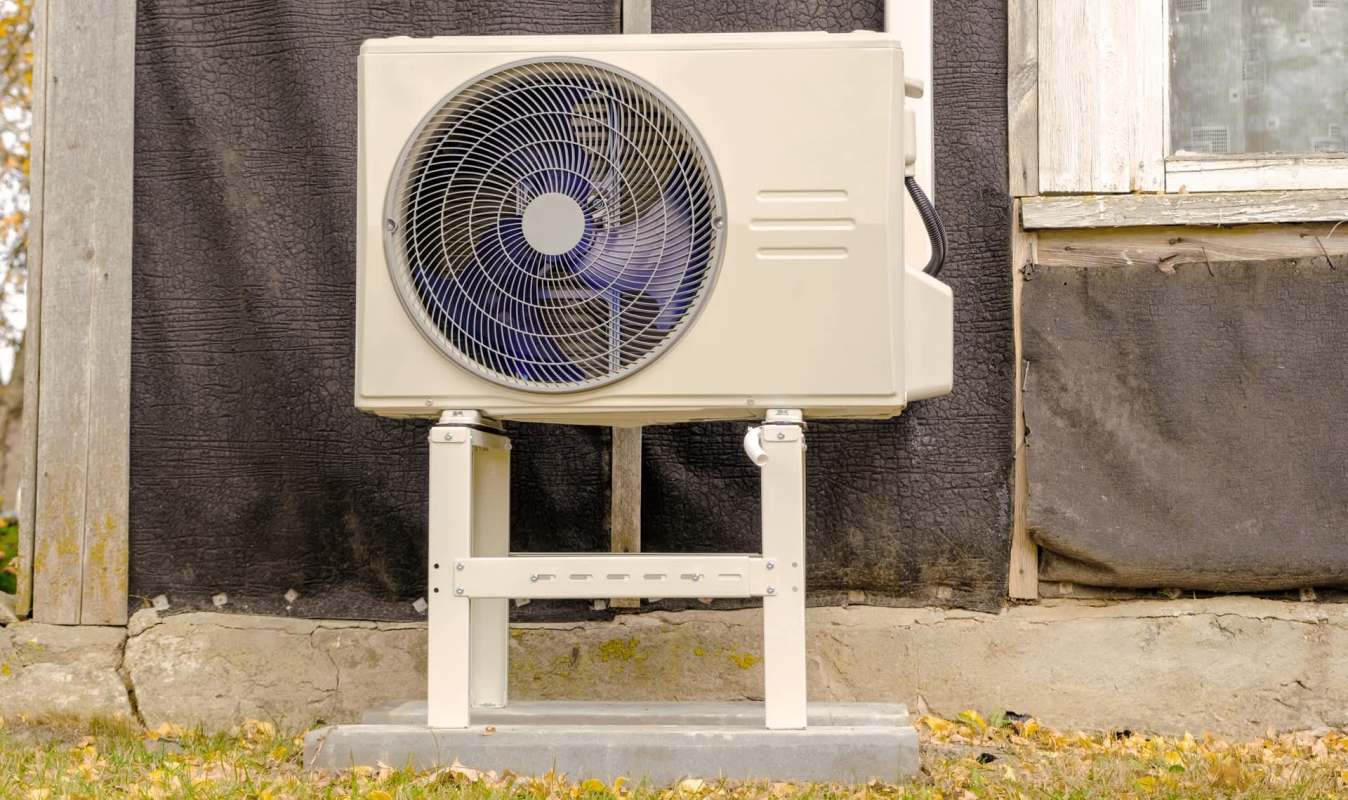
Many of the responses centered on the fact that the house has no existing radiators or pipework. From that starting point, commenters said an air-to-air heat pump could be a better fit than installing a wet central heating system from the ground up.
One commenter explained, "A2A is another way of saying 'air conditioning' but people assume cooling only when you just say air conditioning when it's both."
Another user added, "You'll find hundreds of horror stories usually in tabloid papers. It happens, but it's down to bad installs; and a bad installer can cause anything to be a pain."
A key detail in the thread was that this was not a replacement decision. The homeowner was choosing what to install in a house that currently has no central heating system, and that changes the comparison considerably.
Crushed by your bills? See instant solar savings from vetted installers in just a few clicks With energy prices through the roof, there's never been a better time to go solar — and EasyHome can help you find the best prices from the best installers in your area. EasyHome takes the guesswork and headaches out of energy upgrades by showing you estimated savings from a network of vetted local partners. To get started, just enter your ZIP and share a few details about your home — seeing your estimate is really that easy. |

If you want help sorting through those choices, Palmetto can help homeowners understand their HVAC options and slash their energy bills with new, efficient HVACs and heat pumps. Its Comfort Plan network can help you find efficient heating and cooling solutions for your home and connect you with vetted installers.
More background
The replies also challenged the idea that heat pumps are inherently unreliable. Several people pointed instead to installation quality as the main factor behind bad experiences. One wrote, "Installed well, they'll last a long time - they're incredibly common all over the world, just not here in a domestic setting." Another suggested the installer, not the underlying technology, is often the real issue.
Choosing an efficient electric heating system can reduce energy use, and getting the setup right at the beginning may help homeowners avoid later costs tied to a more disruptive installation, preventable inefficiencies, or equipment that does not suit the home's layout.

Get TCD's free newsletters for easy tips, smart advice, and a chance to earn $5,000 toward home upgrades. To see more stories like this one, change your Google preferences here.






