


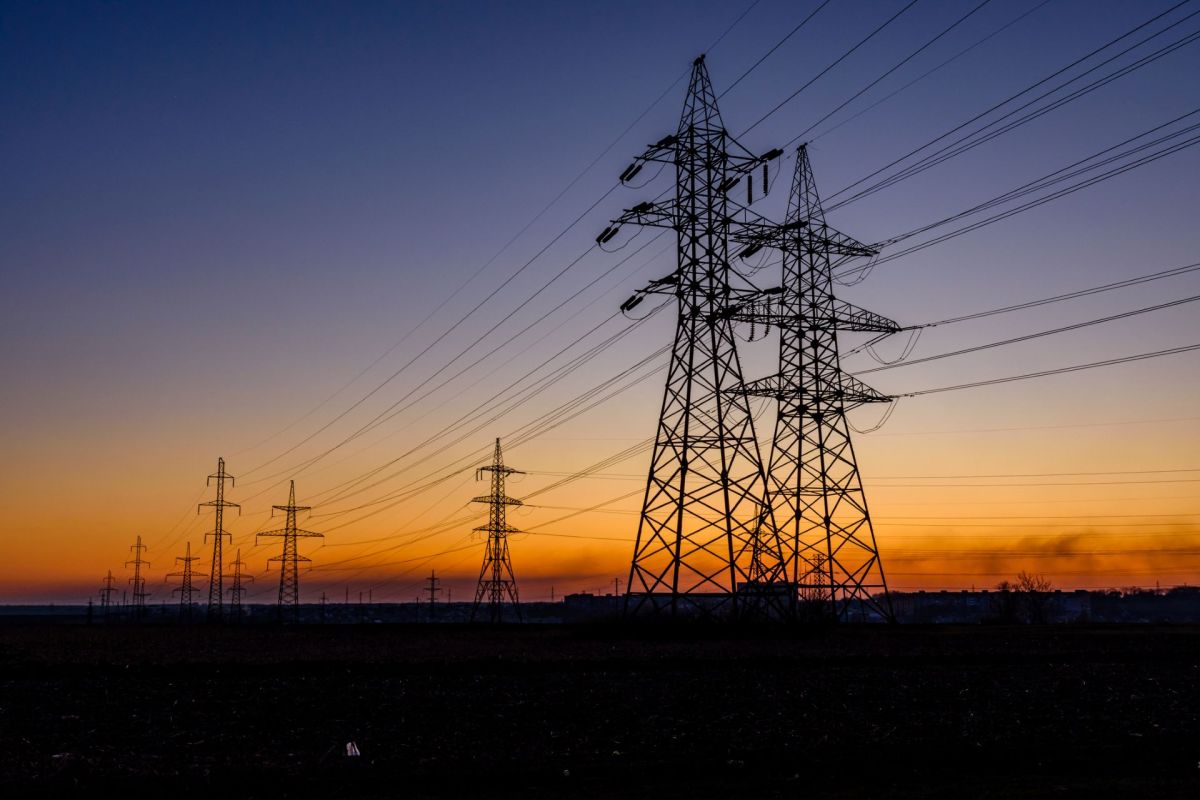
State lawmakers in Pennsylvania say preventing another surge in electricity prices will require more generating capacity and fewer obstacles to bringing new supply online.
During a public hearing in Wilkes-Barre, senators and energy-sector witnesses said older plants are being retired faster than replacements are coming online, a trend they tied to rising household costs and added strain on grid reliability, the Times Leader reported.
Here's what to know
The hearing was led by Sen. Dave Argall, chair of the Senate Majority Policy Committee, and Sen. Gene Yaw, who heads the Senate panel on environmental resources and energy.
Both used the event to push for more energy production within Pennsylvania.
"We should all agree that to limit even higher electricity prices, we need more energy production and fewer regulations — both here in Pennsylvania and especially in many of our neighboring states," Argall stated.
Neal Lesher, the Pennsylvania Chamber of Business and Industry's vice president of government affairs, said the state is the nation's top electricity exporter and a major supplier of natural gas, coal, and refined petroleum products.
He also maintained that new generation is not replacing retired plants quickly enough.
The Times Leader identified Shelby Linton-Keddie as PPL Electric Utilities' senior director of public and external affairs.
Save $10,000 on solar panels without even sharing your phone number Want to go solar but not sure who to trust? EnergySage has your back with free and transparent quotes from fully vetted providers that can help you save as much as $10k on installation. To get started, just answer a few questions about your home — no phone number required. Within a day or two, EnergySage will email you the best local options for your needs, and their expert advisers can help you compare quotes and pick a winner. |

She said PJM has repeatedly warned that plant retirements are outpacing new construction, even as electricity demand grows due to electrification, manufacturing growth, and data centers.
For households worried about future rate spikes, going solar is one of the best ways to save on home energy costs, and EnergySage's free tools let you get solar installation estimates and compare quotes.
More background
The state is part of PJM, a regional grid shared with several neighboring states.
Because that grid is interconnected, utilities maintain that plant closures in Maryland and Virginia can still affect prices in Pennsylvania, influencing what customers of PPL, PECO, Duquesne Light, and FirstEnergy may pay in future capacity cycles.
More From EnergySage
💡Go deep on the latest news and trends shaping the residential solar landscape

At the same time, any energy strategy must also account for the damage caused by the fossil fuel industry.
Extracting, producing, and burning coal, oil, and gas worsens extreme weather disasters that destroy homes, livelihoods, and local economies.
These activities also fuel air and water pollution linked to asthma, heart disease, cancer, and premature death.
The industry's lobbying has also delayed cleaner, cheaper energy solutions that could better protect families from high bills.
What can be done?
A central theme at the hearing was the need for more dependable power generation, along with fewer regulatory delays for proposed energy projects.
Argall also stressed that energy development and environmental protection need not be at odds.
"We need to meet our energy needs and protect our environment," he said.
Consumers, meanwhile, have some tools of their own. EnergySage's free services simplify the switch to solar, and with EnergySage's help, the average person can save up to $10,000 on solar purchases and installations.
EnergySage's solar map shows the average cost of a home solar panel system on a state-by-state level, as well as details on solar panel incentives for each state.
Together, these resources can help readers get the best price for rooftop solar panels and access available incentives.
Adding battery storage to a solar setup is one of the best ways to protect your home during outages, save money on energy, and go off-grid.
Households interested in backup power can explore EnergySage for information about home battery storage options, including competitive installation estimates.
Yaw framed the stakes plainly.
"If this trend continues, consumers could face higher electricity costs, reliability concerns and power shortages. We need to build more reliable baseload generation, starting yesterday."

Get TCD's free newsletters for easy tips, smart advice, and a chance to earn $5,000 toward home upgrades. To see more stories like this one, change your Google preferences here.







