


One Maine homeowner says their power bills resemble those of a much larger home that depends heavily on electricity, even though they heat with wood, cook with propane, and run a fairly short list of electrical devices.
In a post to Reddit's r/Homeowners community, the original poster added that most bills come in above $300 and winter totals have approached $600, while neighbors in bigger households and larger homes reportedly pay less than a quarter of that.
Here's what to know
The OP said they live in an older two-bedroom house on the Maine coast, where wood is the primary heat source and a small space heater is used only occasionally.
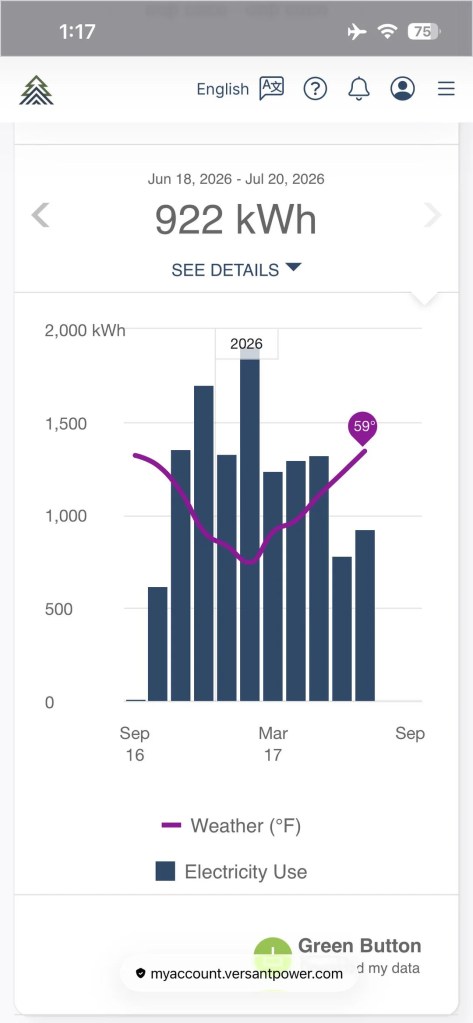
Due to their extremely high electricity bills, they asked the subreddit, "[I'm] at my wits end, high electric bills and minimal electric use? Any ideas?"
The electrical use they described was relatively limited, including a washing machine used no more than once a week, a dishwasher run once or twice in most weeks, LED lighting, a refrigerator, a chest freezer, a well pump, a smart water heater, and winter-specific items including pipe-defroster wire and heated sheep water pails.
To eliminate obvious suspects, the homeowner said they checked individual appliances with a Kill A Watt meter, contacted the utility company, and watched the meter with breakers shut off, saying "No power is being drawn when all individual breakers are off."
TCD Picks » Quince Spotlight
💡These best-sellers from Quince deliver affordable, sustainable luxury for all




Among the early suggestions was a billing check. One commenter advised the OP to, "Call the electric company and verify that they have the correct utility rate assigned to your meter. You could be billed for your use but at commercial rates or something."
Another wrote, "Part of the problem could be the space heater, they use a ton of energy. I used to sell solar panels and I had to look at people's power bills and I could always tell when they had a space heater."
More background
One complication, the homeowner said, is that the biggest usage jumps do not seem tied to routine habits. The spikes can appear when no one is home and do not clearly align with use of the washer or dishwasher, eliminating a simple explanation.
And a house with older wiring, poor insulation, seasonal freeze-protection equipment, and outbuildings on separate circuits can be difficult to troubleshoot.
The OP later said the utility had already checked the account classification. In a reply, the homeowner wrote that the meter was "Verified as my meter and residential" and that they were actually on "the eco rate at a discount."
If the problem turns out to be real usage rather than billing, the biggest money-saving opportunities are often weatherization and targeted equipment checks. In a drafty home, better insulation and a closer look at high-draw seasonal devices may be far less costly than continuing to absorb repeated $300-to-$600 electric bills.
But unfortunately for the OP, this mystery remains both unsolved and expensive.

Get TCD's free newsletters for easy tips, smart advice, and a chance to earn $5,000 toward home upgrades. To see more stories like this one, change your Google preferences here.






