


When people argue over whether no-dig gardening pays off, the evidence often comes down to individual experience.
Here's what to know
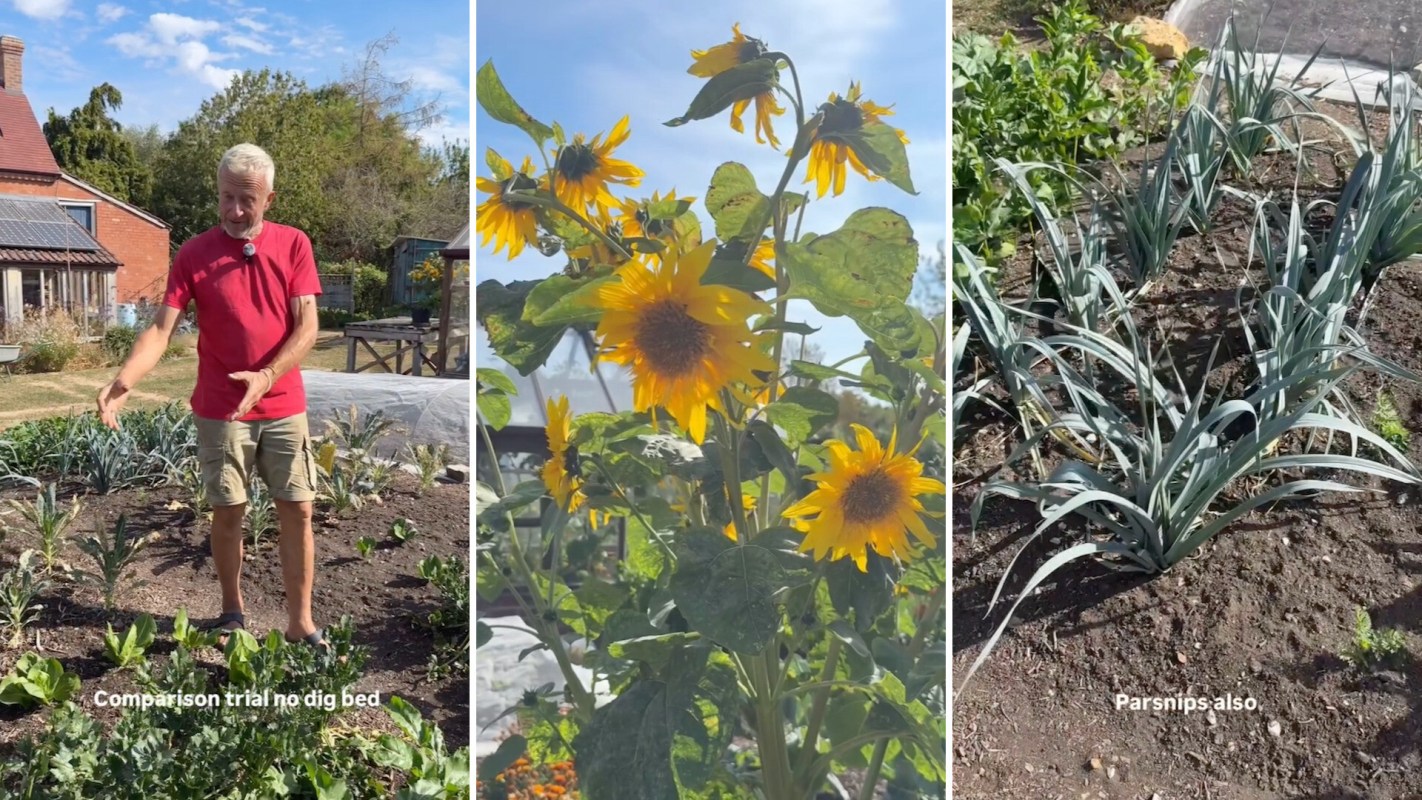
Gardening content creator Charles Dowding (@charles_dowding) pointed to a much longer test in an Aug. 15 Instagram reel instead: two beds managed with the same compost and observed over 14 years.
According to Dowding's caption, the trial followed two garden beds for 14 years, with both receiving the same compost; the no-dig bed retained moisture better and produced "12% extra harvests."
No-dig gardening generally involves adding compost to the soil surface rather than turning or tilling it in. The aim is to disturb the soil as little as possible, helping it retain structure and moisture while allowing plants to grow through the layers.
That side-by-side trial indicates that avoiding soil disturbance may offer more than a simpler routine. It also indicates better moisture retention and larger harvests under the same compost treatment.
More background
If a garden bed holds moisture more effectively, gardeners may not need to water as often, saving both time and money. That can be especially useful in areas where hot weather and dry conditions quickly stress plants.
TCD Picks » Quince Spotlight
💡These best-sellers from Quince deliver affordable, sustainable luxury for all




No-dig methods may also make gardening more accessible. Digging and turning soil can be physically demanding, while a simpler top-dressing approach may be easier for beginners and older gardeners to maintain. Gardening itself can also provide gentle physical activity and mental-health benefits through time spent outdoors.
What can be done?
The easiest approach may be to start small. Test no-dig gardening in one raised bed or one section of a garden so you can compare the results with the rest of your space.
Instead of turning the soil, add compost to the top and let worms, roots, and moisture move it downward over time. A surface layer of compost or mulch can also help reduce evaporation and suppress weeds.
If you are building a garden with savings in mind, it may help to start with crops you buy often and use quickly. Herbs, leafy greens, and tomatoes can offer a strong return, and growing your own food can be one of the simplest ways to cut produce costs while improving flavor.
Gardeners can also pair no-dig methods with controlling weeds without chemicals to keep beds productive without adding unnecessary products to the mix.
Dowding summed up the trial in his caption: "Both beds receive the same compost, no dig uses it more efficiently."

Get TCD's free newsletters for easy tips, smart advice, and a chance to earn $5,000 toward home upgrades. To see more stories like this one, change your Google preferences here.







