


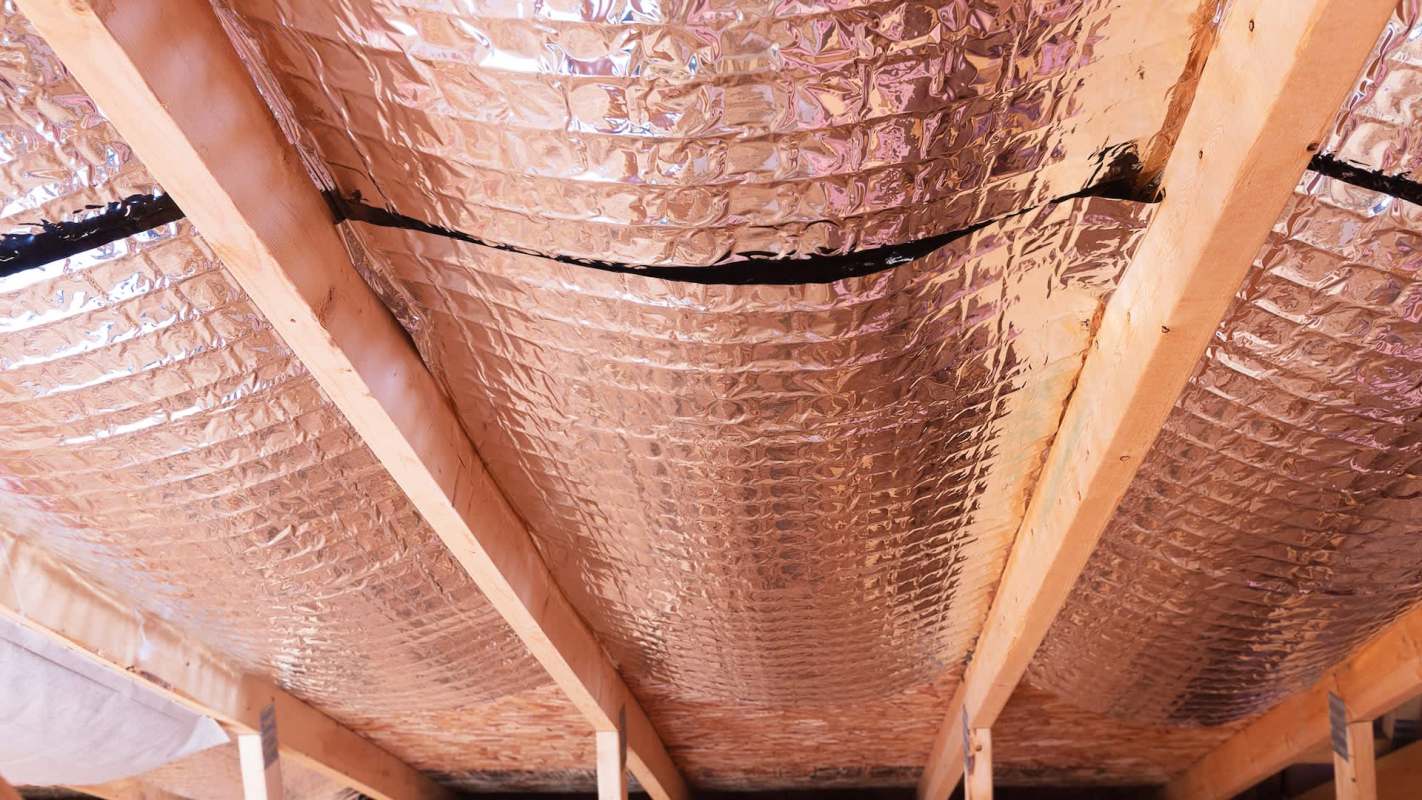
Trying to escape the heat can get frustrating fast when your own home doesn't cool down enough to stay comfortable. Despite having a working AC, one Texas resident could not keep a 2,300-square-foot home cool.
On Reddit, the owner said the technician found no problems with the system itself and instead pointed to the attic: "The A/C tech who came today gave the unit a clean bill of health but said we don't have attic insulation." The poster said the house already has a radiant barrier, but was unsure whether that meant blown insulation was unnecessary.
Here's what to know
Replies were overwhelmingly clear and unanimous. Yes, attic insulation is still needed. People in the discussion said a radiant barrier can be useful, but it is not a replacement for insulation.
A radiant barrier reflects some of the heat radiating from a very hot roof, while insulation acts as a layer that resists heat moving into the rooms and helps prevent cooled indoor air from leaking away.
In a climate like Texas, that heat transfer can happen fast. With little or no insulation in the attic, even a properly functioning AC can run longer and work harder, which can drive up summer power bills.
More background
Another homeowner gave simple advice: "Radiant barrier is not the same as foam insulation. You need the insulation especially in Texas."
TCD Picks » Quince Spotlight
💡These best-sellers from Quince deliver affordable, sustainable luxury for all




That issue can be easy to miss in older houses, renovated places, or flipped homes, where fresh finishes stand out more than what is, or is not, sitting in the attic. When a house is uncomfortable, many people start by suspecting the AC, even though the bigger issue may be the building envelope, the roof, attic, walls, windows, and sealing that determine how well a home holds cooled air.
When an attic layer is missing or too thin, the results tend to be rooms that feel hotter, an air conditioner that runs more, energy costs climbing, and a system that takes on more stress during severe heat.
What can be done?
For homeowners dealing with a similar issue, the first task is to find out exactly what is in the attic and whether large areas are bare or nearly bare. Before new insulation goes in, it is also worth looking for ceiling penetrations around wiring, lights, and similar openings that may need air sealing.
When an attic has very little material in place, blown insulation is often one of the easier upgrades to make. Blown cellulose or fiberglass can usually be installed without tearing up much, which is why it is commonly treated as a relatively simple retrofit for better comfort and reduced energy waste.
People in the comments also raised installation details, including whether baffles and ventilation need to be addressed first so the added insulation is positioned properly and does not create fresh moisture or airflow problems.
For this homeowner, commenters did not mince words. One wrote, "You absolutely need attic insulation." Another put it even more bluntly: "Imagine if your refrigerator were just made of metal and had no insulation in the walls. That apparently is your house. Insulate it."

Get TCD's free newsletters for easy tips, smart advice, and a chance to earn $5,000 toward home upgrades. To see more stories like this one, change your Google preferences here.






