


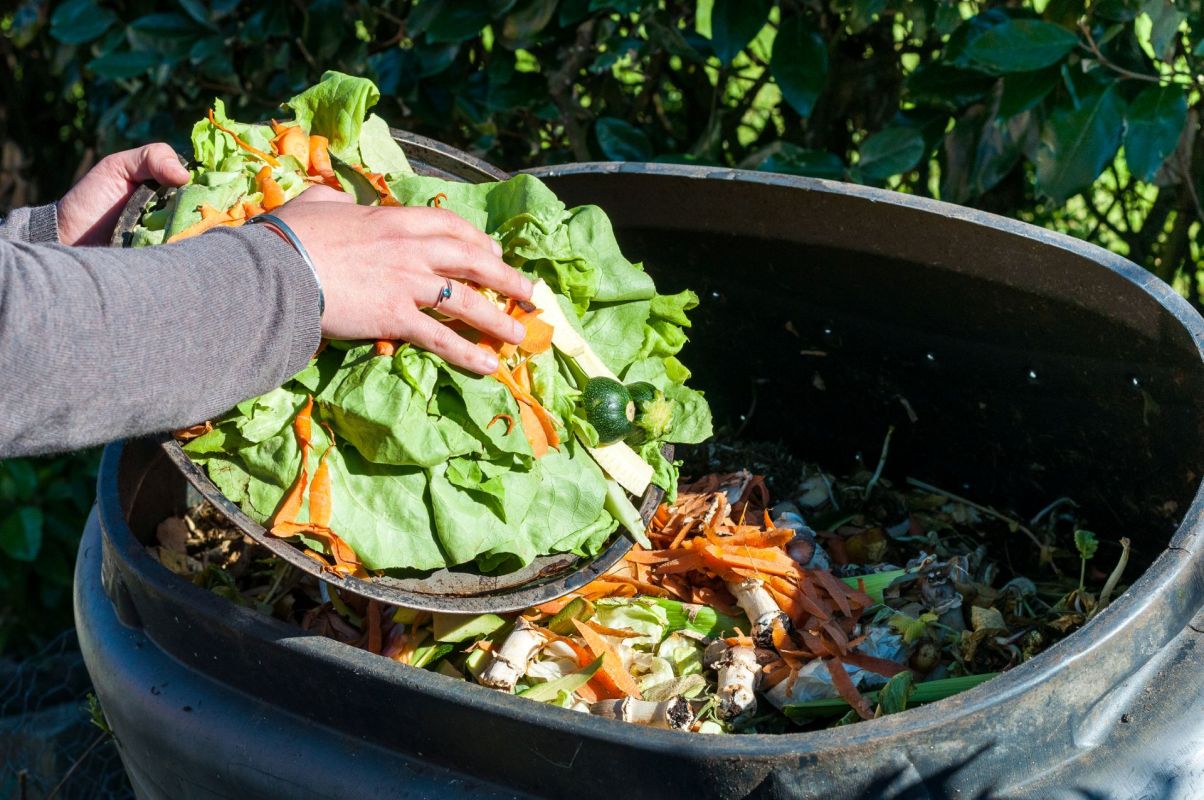
Starting a compost pile can feel a bit like a backyard science experiment.
A beginner composter shared this concern with the internet after setting up a backyard bin and asking whether a few early mistakes could ruin the pile for good.
Here's what to know
In Reddit's r/Composting community, one new composter asked whether a pile can be damaged beyond the point of being useful.
They said they were using a large bin with holes in the sides and had been adding greens, browns, soil, and even a couple of worms. They asked the subreddit, "My question is, is there anything I can do that would mess up the compost pile to the point I wouldn't be able to use it?"
Commenters were mostly reassuring. One explained, "Think about it this way - everything organic is designed to break down. We're just speeding that along by adding in air (turning it), nutrients for the bacteria and fungi) ... and that's it."
The main exception some kept returning to was contamination. One commenter put it plainly, writing, "Don't add lead, mercury, arsenic, or pfas to the pile. Everything else is fixable."
TCD Picks » Quince Spotlight
💡These best-sellers from Quince deliver affordable, sustainable luxury for all




Another commenter made a similar point with a little more color, adding, "I think spent motor oil from a diesel truck will do it [make it unusable]. But yeah, that's all I could think of, heavy pollution."
More background
Compost can improve soil structure and fertility, making it easier to grow vegetables, herbs, and flowers at home without relying as much on store-bought soil amendments. Composting also helps reduce waste by turning food scraps, leaves, and yard debris that might otherwise be thrown away into something useful for the garden.
Plus, gardening can help lower produce costs, provide fresher and better-tasting food, and support mental and physical health through time spent outdoors and regular movement. Compost can be a strong first step toward growing your own food. Healthy compost supports healthier soil, which can help homegrown produce become more abundant and flavorful.
If your goal is to use compost in a food garden, the safest approach is to avoid toxic chemicals, petroleum products, and materials that do not break down cleanly. Missing a turn or stepping away for a bit is far less likely to cause a problem than introducing something truly hazardous.

Get TCD's free newsletters for easy tips, smart advice, and a chance to earn $5,000 toward home upgrades. To see more stories like this one, change your Google preferences here.







