


A San Marcos couple won Yard of the Month after reworking the typical Texas subdivision lawn into a brighter landscape designed to use less water.
With drought and brutal summer temperatures shaping choices across the state, their yard shows that homeowners can scale back grass without sacrificing curb appeal.
Here's what to know
According to the San Marcos Daily Record, Tara and Wes Grumbles of the Cottonwood Creek subdivision earned the garden club's September Yard of the Month recognition after converting much of their all-grass yard into a low-water landscape. They began the project in 2023.
The transformation started with site prep: the grass was removed, and the clay soil was improved with organic compost and mulch. From there, the couple shaped a full-sun garden using rock and flagstone, plus cacti, succulents, and a blend of Texas native and non-native plants.
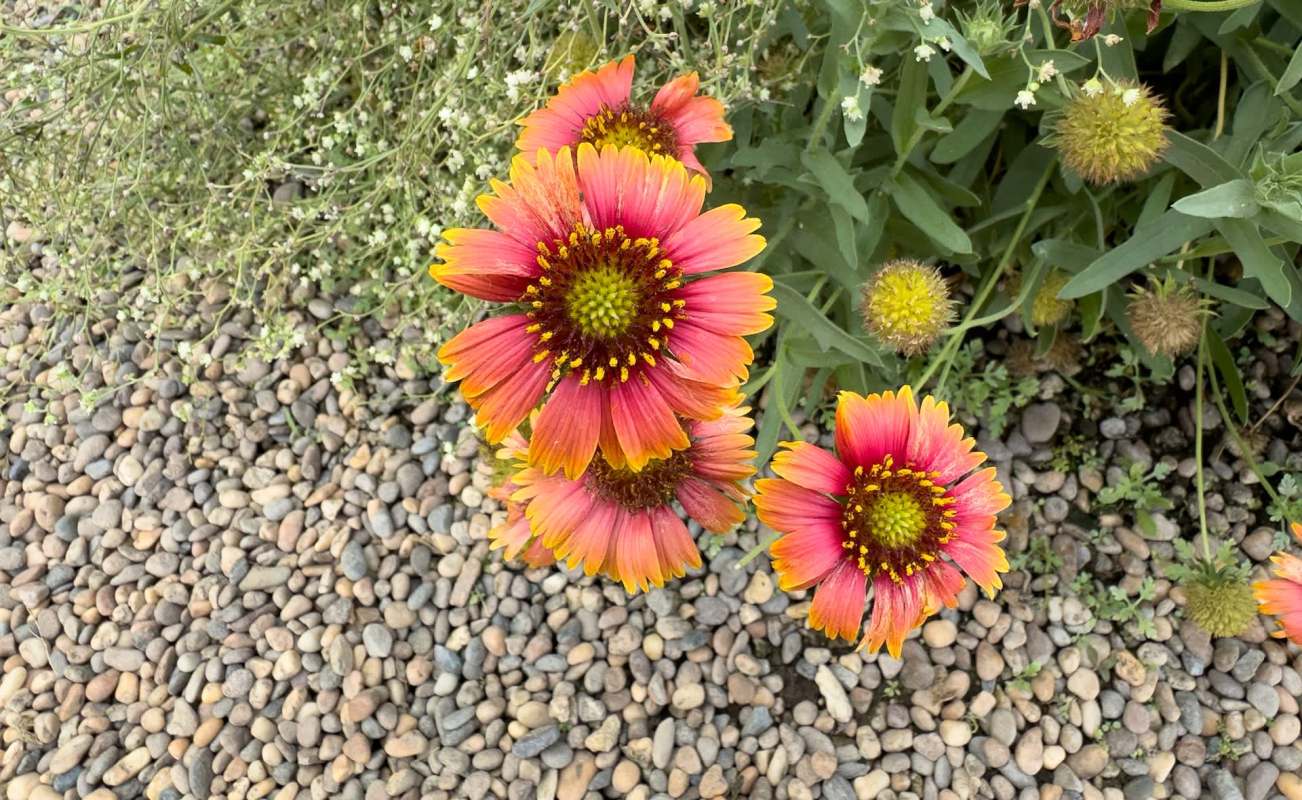
Plantings now include salvia, plains coreopsis, blackfoot daisies, blanket flowers, Texas lantana, zinnias, basil, prairie Brazos mint, verbena, black-eyed Susans, autumn sage, frog fruit groundcover, lavender, and agave. They also kept the two live oaks already on the property, planted a Teddy Bear magnolia, and used the porch as a shaded area for plants that need relief from the heat.
The garden now supports honeybees, monarchs, pipevine swallowtails, and other pollinators, along with beneficial insects and even a nesting mourning dove.
TCD Picks » Quince Spotlight
💡These best-sellers from Quince deliver affordable, sustainable luxury for all




More background
This kind of swap can matter in newer neighborhoods, where uniform builder-installed lawns are common but often require more water, mowing, and routine upkeep.
Replacing even part of a conventional lawn with native plants or other low-maintenance options can lower water bills, reduce the need for fertilizers and mowing, and save time on weekly yard work. It can also help make a yard more resilient during drought and heat waves.
Native plants are one strong option, but homeowners may also consider clover, buffalo grass, or xeriscaping with stone, mulch, and drought-tolerant plantings. Even a partial lawn replacement can offer meaningful benefits while still preserving some green space for play or pets.
Thoughtful combinations of flowers, grasses, shade areas, and hardscaping can create a yard that feels lush while using less water.
What can be done?
A similar approach can begin by gradually removing grass rather than all at once. That can make the transition more affordable and help homeowners test what grows best in a space.
Adding compost and mulch can improve drainage, protect roots, and help soil retain moisture longer. Choosing plants from local nurseries or seed libraries can also improve the odds that they will thrive in regional conditions.
A mix-and-match approach can work especially well. Some households may want a pocket of buffalo grass, a clover patch, a border of native flowers, or a xeriscaped corner with succulents and stone.
The Grumbles are already looking ahead. As noted by the Daily Record, they are considering more shade-loving plants as the oaks grow and cutting back the remaining grass even further.

Get TCD's free newsletters for easy tips, smart advice, and a chance to earn $5,000 toward home upgrades. To see more stories like this one, change your Google preferences here.







