


For homeowners hoping to secure backup power while lowering their electricity bills, the calculations can become complicated quickly, especially when HOA restrictions, contractor availability, and time-of-use pricing all factor in.
That reality was on display for one Illinois homeowner trying to figure out how to size solar for a whole-home backup setup without the possibility of a ground-mounted array.
Here's what to know
The homeowner took to Reddit's r/AnkerSOLIXCommunity for help figuring out the sizing. The original poster wanted their Anker E10 battery system to power the house as much as possible while keeping the batteries charged, especially by using cheaper off-peak electricity.
The setup they described included two Power Modules, four batteries, the Power Dock, which would amount to about 25 kilowatt-hours of power (enough electricity for a small family's daily usage), and possibly a Smart Generator 5500 for emergencies. But, as the OP put it, "It's the solar panels I'm trying to figure out if it's worth it."
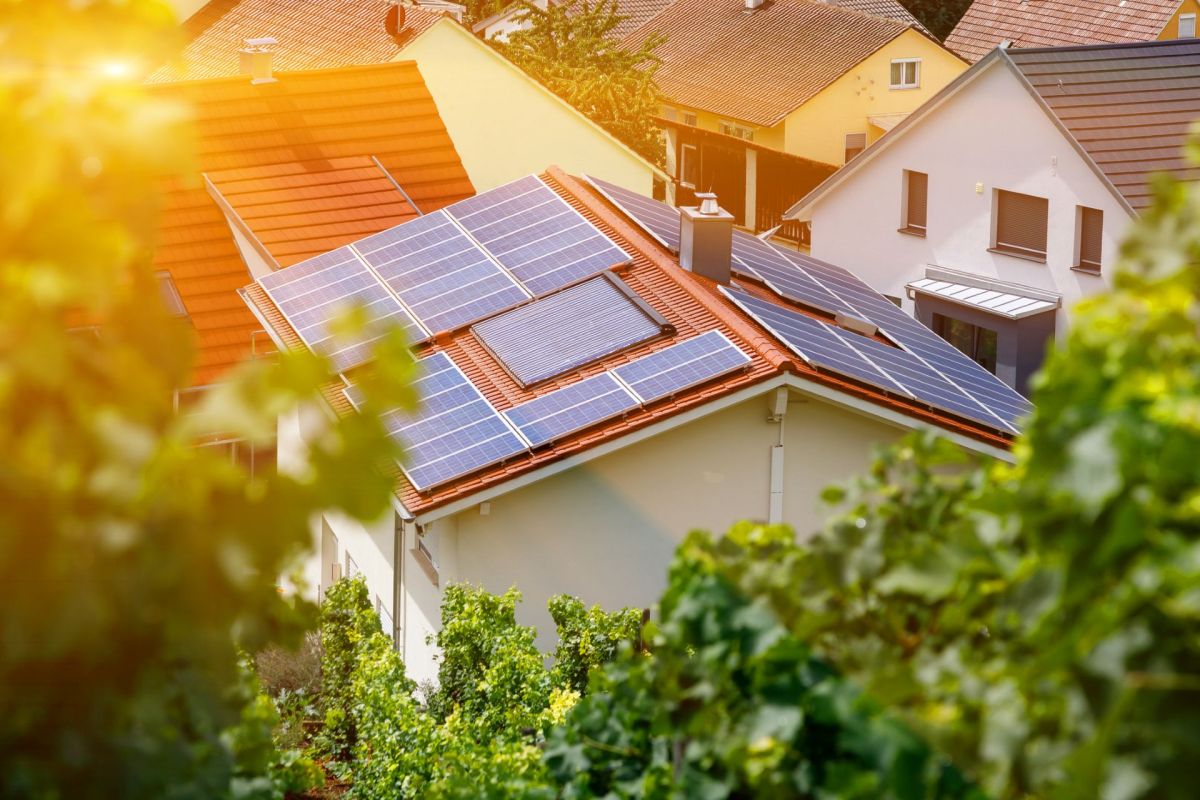
Because neighborhood regulations rule out any ground installation, the OP said the project would have to use the roof. They also said they were not expecting to find a contractor willing to mount Anker's 440-watt panels, which pushed them toward getting quotes from a standard rooftop solar installer instead.
The OP said ComEd's standard time-of-use pricing was roughly 10.4 cents, compared with about 5.0 cents during off-peak hours. That means a battery system could help their household save money even before solar is added, simply by charging when power is cheapest and using that stored energy when rates rise.
Using their own rough math, the homeowner said a rooftop solar array could trim the bill by about 50%, which they estimated as roughly $125 to $150 in monthly savings.
They also put the installed cost of a 6- to 7-kW roof system at around $14,000 from their initial research. Those costs may vary depending on location as well as any local or state tax incentives or rebates to get the cost down. A typical whole-home rooftop solar system frequently costs over $25,000, but in areas where it is more expensive per watt of power, the electricity bills are often higher with a higher cost of living, so the nationwide average is that a solar system typically pays for itself in 7-10 years, according to resources like EnergySage.
Save $10,000 on solar panels without even sharing your phone number Want to go solar but not sure who to trust? EnergySage has your back with free and transparent quotes from fully vetted providers in your area. To get started, just answer a few questions about your home — no phone number required. Within a day or two, EnergySage will email you the best options for your needs, and their expert advisers can help you compare quotes and pick a winner. Solar panels can save you more than $50k over their 25-year lifespan, and EnergySage can help you save as much as $10k on installation. Which begs the question — isn't that worth an email or two? |

Other Reddit users emphasized that final sizing really depends on the roof and the completed system design.
One commenter pointed readers to the equipment limits directly, writing, "The direct DC specs are straightforward and listed on the site: 4500W MC4 max 450V 15A with 2x per inverter."
Another commenter added that the decade estimate for the system's lifespan was low, writing, "You get more than ten years. Great customer support."
More background
A larger array is not automatically better if it runs into input caps, shading issues, or installation costs that wipe out the potential savings.
Real-world constraints can make a decision around efficient solar power much harder. HOA restrictions, roof layout, installer preferences, and local utility rates can all determine whether a project feels like a smart investment or a costly gamble.
Yet, what was clear to the OP before even considering adding solar is that battery storage is one of the best ways to protect your home during outages, save money on energy, and move closer to going off-grid.
If you're comparing systems, exploring EnergySage can help you get information about home battery storage options, including competitive installation estimates. EnergySage has teamed up with the electrification brand Qmerit to guarantee you get the best price on home battery storage solutions.
Pila is another company offering excellent battery backup options, and its plug-and-play batteries are priced at a fraction of what a whole-home backup system would cost.

Get TCD's free newsletters for easy tips, smart advice, and a chance to earn $5,000 toward home upgrades. To see more stories like this one, change your Google preferences here.






