


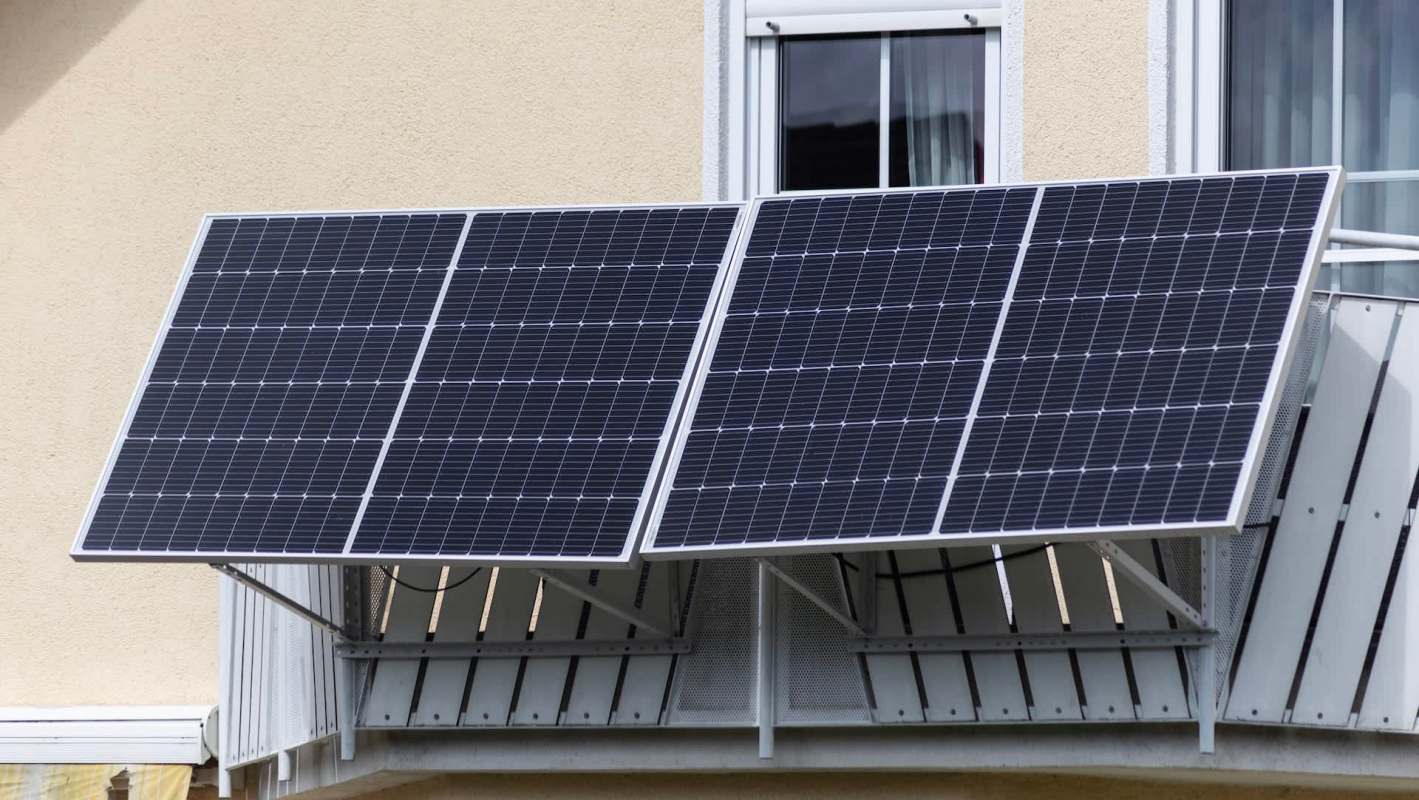
For homeowners interested in solar but deterred by the price of a rooftop installation, the legalization of plug-in solar panels represents an opportunity.
Now, as dozens of states consider allowing these "balcony solar" setups, homeowners and renters are comparing the pros and cons of buying a small, affordable system.
Here's what to know
In a discussion posted to Reddit's r/SolarDIY community, one Maryland homeowner weighed a low-cost balcony solar experiment built around four 265-watt panels bought for $25 each against waiting for a full-home system that would cost far more. According to Bright Saver, Maryland's balcony solar bill was signed into law May 12.
"Balcony solar just seems like a good, cheap way to get 'in the game' and start learning," the original poster wrote. "But is there a point where if you can't get the full 1,200 watts for most of the peak sun that it would be a BAD idea?"
The smaller setup appealed to the OP partly because it could go in a spot near the house, avoiding trenching and heavy electrical work. By comparison, a conventional system for the property would mean clearing trees, running over 150 feet of wire, selecting a properly sized inverter, and making upgrades such as a critical-loads panel or transfer switch, while the shaded mini-array was expected to produce only about 500 to 600 watts.
"It's just all done and reducing electric costs (however little it is) on day one," the OP said in a comment.
Most users backed the idea of starting with a modest system, though several noted a catch. "Careful. A little solar is the gateway to lots of solar!" one commenter wrote. Another said, "The real balcony solar benefit is for a single 400w panel."
The biggest point of debate was Maryland compliance. "Up to 391 watts, you are correct. No wiring needed," one commenter said, noting that going beyond would mean needing a dedicated circuit.
Save $10,000 on solar panels without even sharing your phone number Want to go solar but not sure who to trust? EnergySage has your back with free and transparent quotes from fully vetted providers that can help you save as much as $10k on installation. To get started, just answer a few questions about your home — no phone number required. Within a day or two, EnergySage will email you the best local options for your needs, and their expert advisers can help you compare quotes and pick a winner. |

Someone else disagreed with how clear-cut that was, saying the rules are confusing and may hinge on how the state references product standards and safety certifications.
More background
Plug-in solar is appealing as a low-barrier way to cut energy bills without taking on a home renovation. For households with shade, permitting complications, or steep installation costs, a small system can be a more affordable trial run before a bigger commitment.
If a bigger setup is on the table, homeowners can explore EnergySage to get free solar installation estimates and compare quotes. Those who do can save up to $10,000.
The thread also highlighted that the purchase price of bargain panels is only one part of the equation. One commenter said that even if $25 panels look like a steal, the cost of mounting low-output panels securely in a permanent installation can make high-output panels the better value.
More From EnergySage
💡Go deep on the latest news and trends shaping the residential solar landscape
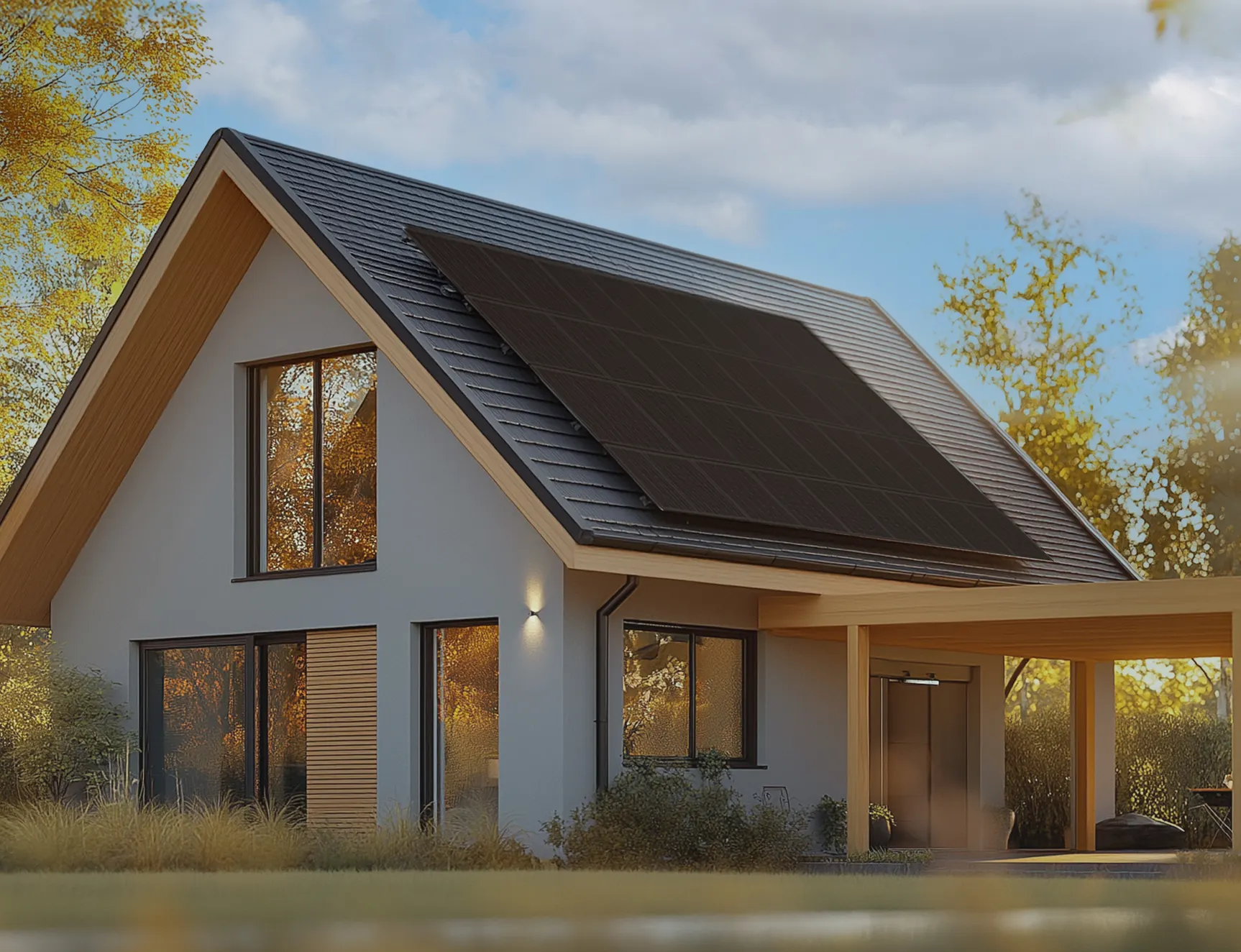
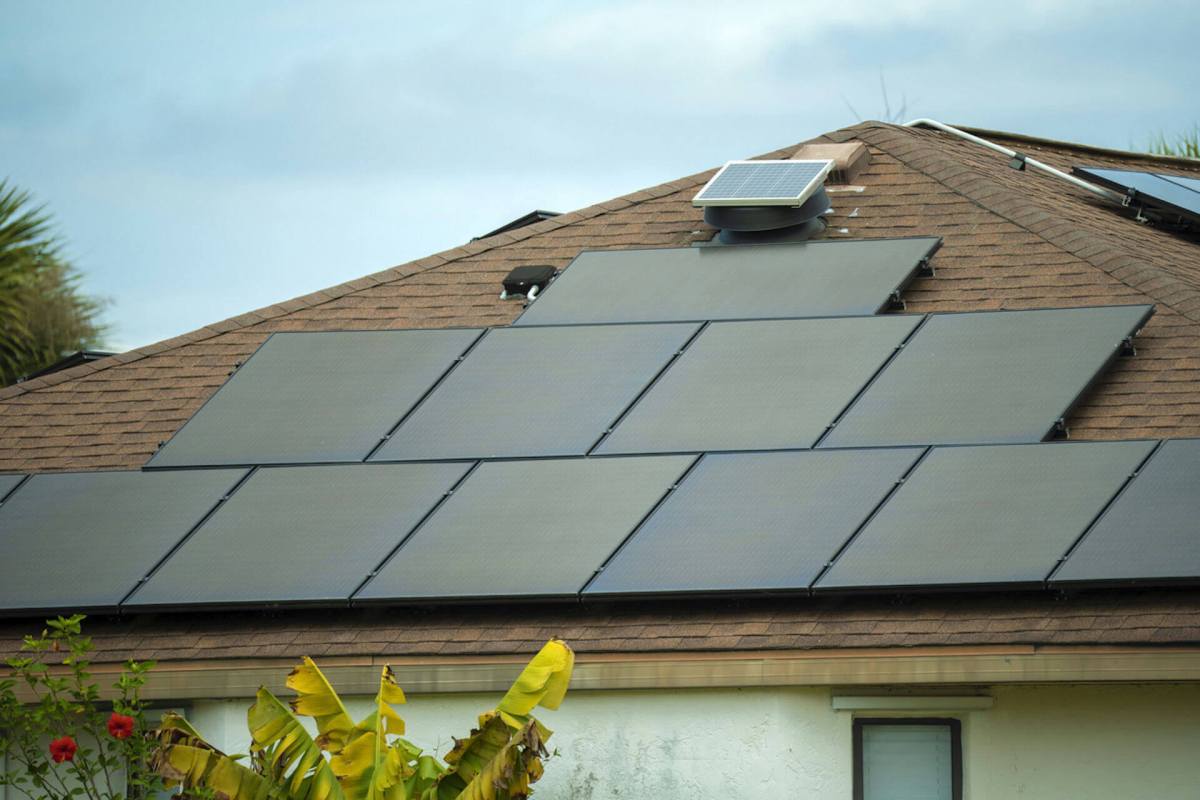
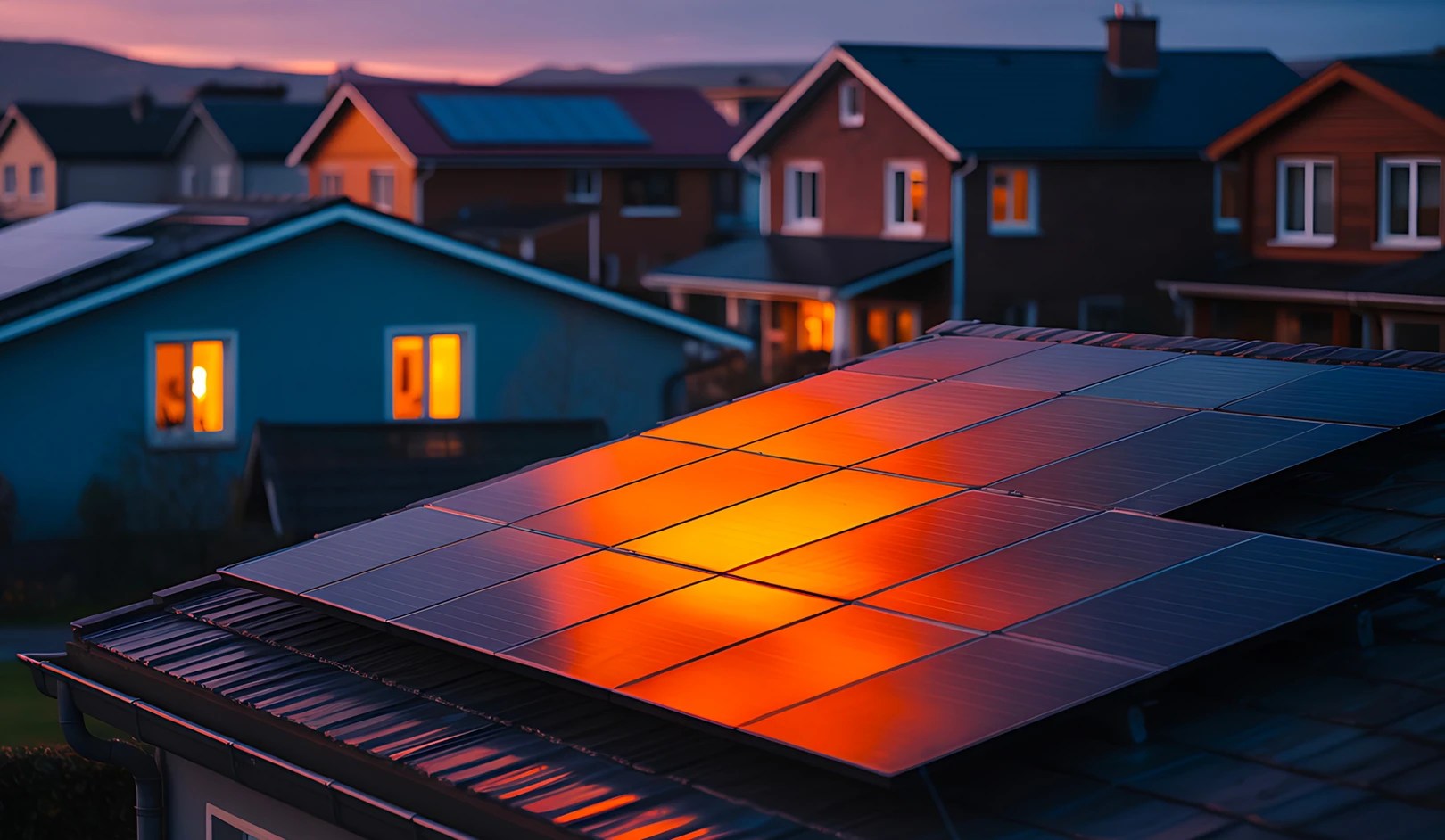

The savings question is not just about the upfront cost of panels. It is about whether a small setup can offset enough daytime electricity use to make the hardware worthwhile while still meeting local code and utility requirements.

Get TCD's free newsletters for easy tips, smart advice, and a chance to earn $5,000 toward home upgrades. To see more stories like this one, change your Google preferences here.







