


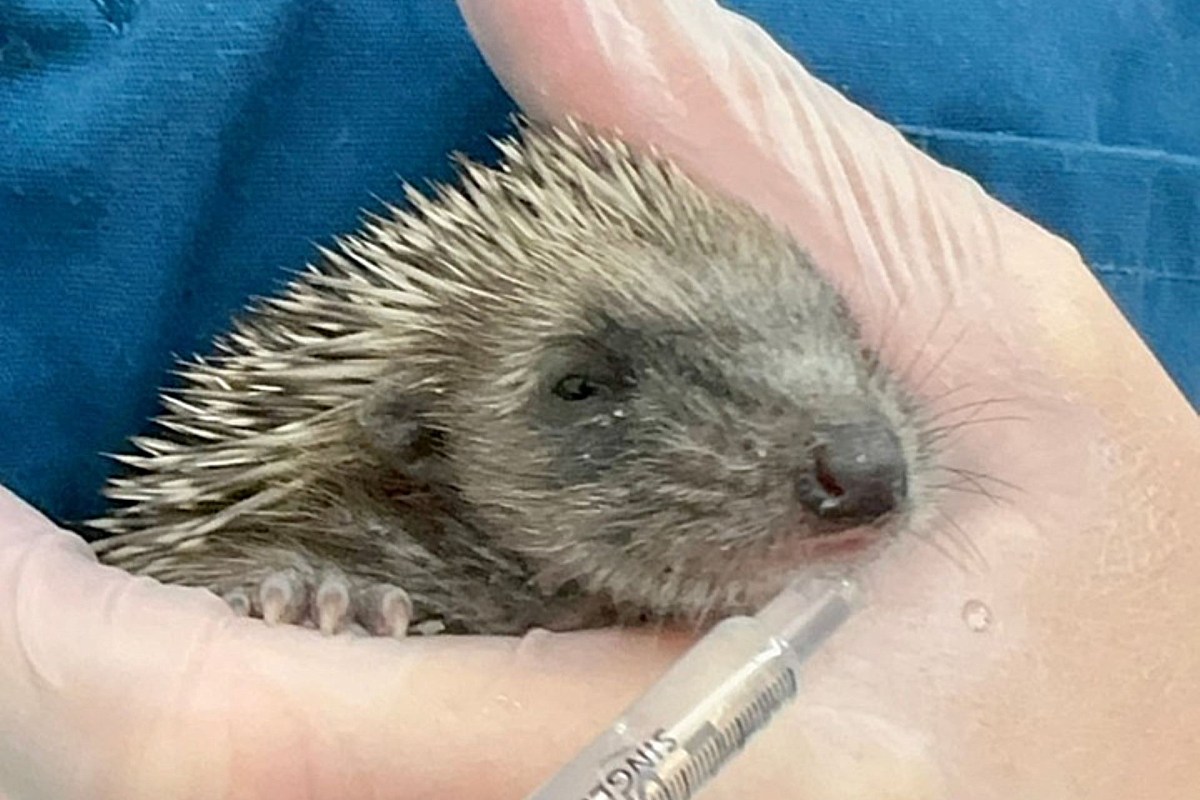
A baby hedgehog so small it could fit in one hand is getting a second chance after being found alone with no sign of its mother nearby.
For an animal this young, timely care can mean the difference between survival and not making it through its first days.
What happened?
In an Instagram post published Aug. 6, wildlife rescue organization Wildlife Aid (@wildlifeaid) shared images of the hoglet receiving care and wrote, "This tiny hoglet was found ABANDONED with no mum in sight."
Wildlife Aid said the baby is being raised by hand after it was found on its own, writing that the orphaned baby hedgehog "was dehydrated and had a nasty case of ringworm." The images offer a close-up look at the tiny animal as its care begins.
Why does it matter?
A hoglet on its own is more than just a sad sight — it is often an emergency. Very young hedgehogs depend on their mothers for food, warmth, and protection, and losing that care early can quickly become life-threatening.
Hedgehogs are an integral part of the environment with their unique pest control abilities. They consume large amounts of small pests such as slugs, beetles, and caterpillars that can wreak havoc on gardens.
TCD Picks » Quince Spotlight
💡These best-sellers from Quince deliver affordable, sustainable luxury for all




This is the less visible side of animal rescue. It is not only about dramatic callouts or large animals in obvious distress. Sometimes it is careful, hands-on work with the smallest and most delicate patients, including feeding, warmth, cleaning, and constant monitoring.
Wild animals often live close to people, even in gardens and neighborhoods, where dangers can pile up quickly. Disturbance, traffic, pets, and yard hazards can all create risks for small animals that are already struggling.
A wildlife encounter can turn serious quickly, and expert help can be necessary.
What's being done?
In this case, Wildlife Aid has already stepped in to provide direct care. Hand-rearing a baby hedgehog is specialized work that typically involves frequent feeding and close observation until the animal is stable enough to continue growing safely.
For anyone who finds a baby wild animal alone, the best move is generally to contact a licensed wildlife rehabilitator or local rescue organization before trying to feed or raise it yourself. Professionals can determine whether the animal has truly been abandoned and what kind of care it needs.
People can also reduce risks for hedgehogs and other small wildlife at home by checking areas before mowing or trimming, keeping pets supervised outdoors, and making sure garden features do not become traps.
Those actions are simple, but they can help prevent future emergencies — and give vulnerable animals a better chance of staying safe in the wild.

Get TCD's free newsletters for easy tips, smart advice, and a chance to earn $5,000 toward home upgrades. To see more stories like this one, change your Google preferences here.







