


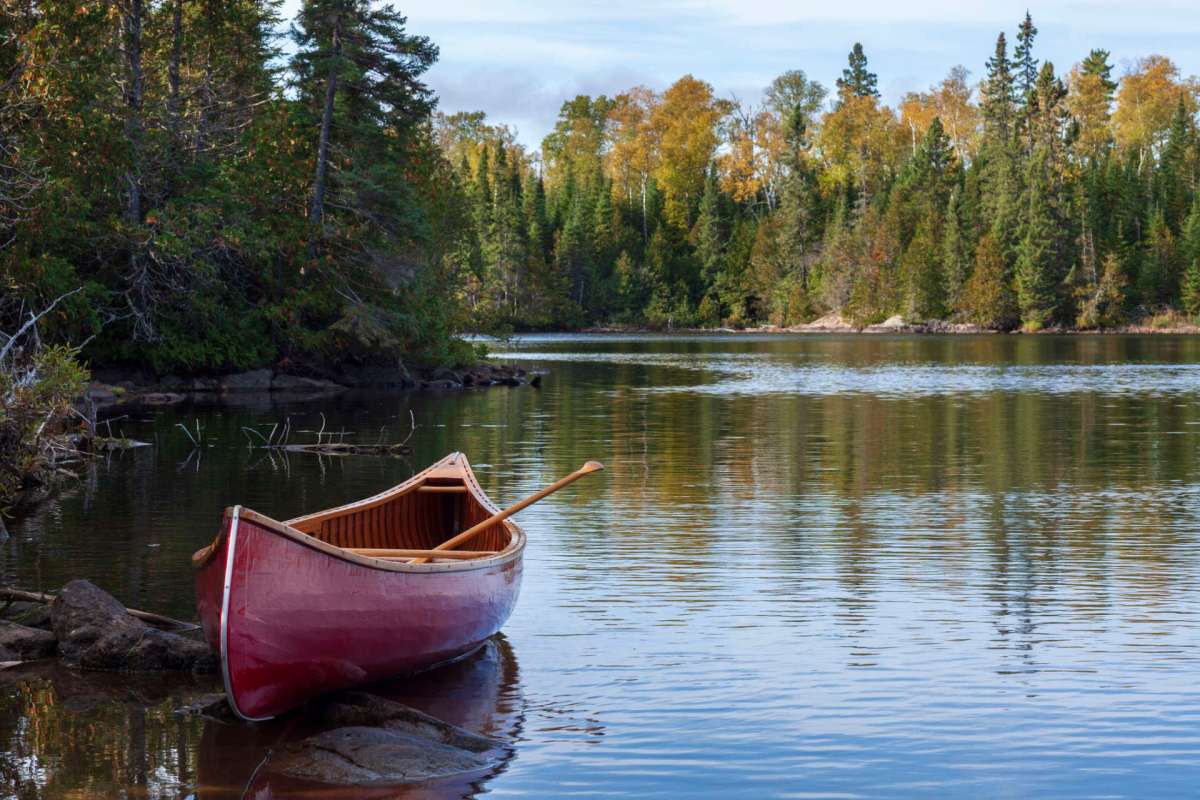
An executive order from Minnesota Gov. Tim Walz shuts the door on nonferrous mining near the Boundary Waters Canoe Area Wilderness.
The order may alter the yearslong dispute over proposed copper and nickel mining in northeastern Minnesota, with implications for water quality, tribal interests, and the visitor-driven economy built around the wilderness.
Here's what to know
Gov. Tim Walz signed an order barring state agencies from reviewing or permitting nonferrous mining projects in the Rainy River Headwaters Watershed, according to the Minnesota Reformer. The order also halts the offering of new state mineral leases in the area and ends the state's formal partnership with the federal government on mining review there.
One clear target is the Twin Metals proposal. The company, owned by Chilean miner Antofagasta, has sought to mine copper, nickel, cobalt, and other metals at a site about 12 miles from the wilderness area.
At a news conference, Walz said, "The verdict is in. The decision's been made. We will protect this place forever."
State permits are required even for projects on federal land, giving Minnesota substantial power to delay or block mining near a place known for exceptionally clean water, along with paddling, fishing, and camping.
TCD Picks » Quince Spotlight
💡These best-sellers from Quince deliver affordable, sustainable luxury for all




More background
For decades, the Boundary Waters debate has pitted economic hopes against environmental fears. Supporters of mining say the area's valuable metal deposits could bring jobs and make the region less dependent on iron and steel markets, while opponents argue that sulfide-ore mining in such an interconnected network of lakes and streams could cause pollution that lingers for generations.
The stakes extend beyond the environment alone. Nearly 150,000 people visited the Boundary Waters in 2024, helping support outfitters, guides, lodging, restaurants, and other local businesses. For many Minnesotans, the area also carries deep personal meaning as a place tied to family traditions, outdoor recreation, and state identity.
Native communities have also raised serious concerns. Bois Forte Band of Ojibwe Chairman Carlos Hernandez praised the order, saying it helps uphold treaty obligations by shielding traditional homelands used for hunting, fishing, and gathering from mining pollution.
The move is also expected to face legal and political opposition. MiningMinnesota said it lacks legal standing, while U.S. Rep. Pete Stauber said it threatens jobs and school funding. Walz's order could also become a major issue in Minnesota's next governor's race.
What's being done?
Minnesota is using its permitting authority to create a stronger barrier against mining in a sensitive watershed. Walz also directed his staff to draft legislation that would more permanently prohibit nonferrous mining in the area.
If that effort succeeds, it could provide more certainty for communities, tribal nations, and businesses that depend on the Boundary Waters remaining healthy.
Hernandez put it plainly, saying, "We have heard promises that copper-nickel mining can be done safely, but when we're talking about water that our people have depended on for generations, we cannot afford to find out after the fact that those promises were wrong."

Get TCD's free newsletters for easy tips, smart advice, and a chance to earn $5,000 toward home upgrades. To see more stories like this one, change your Google preferences here.







