


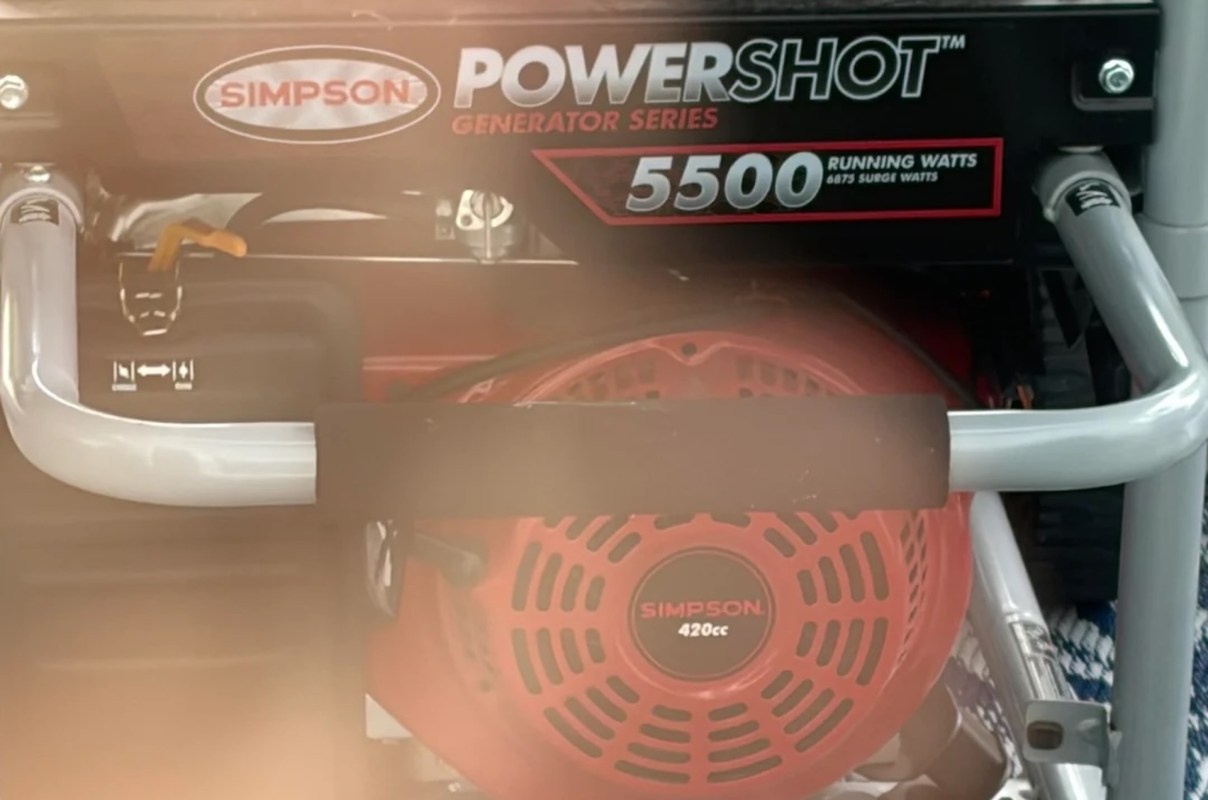
A portable generator can make a blackout much easier to live through, but that does not mean it can start every major appliance in a home.
That difference surfaced in a Reddit discussion about why a 5,500-watt generator might cover essential loads yet still fall short when a central AC compressor turns on.
Here's what to know
The issue came up in a Reddit thread from a homeowner who said a generator rated for 5,500 running watts and 6,875 starting watts had operated the house and AC for a few hours during an outage, before a friend later suggested the setup might be too small.
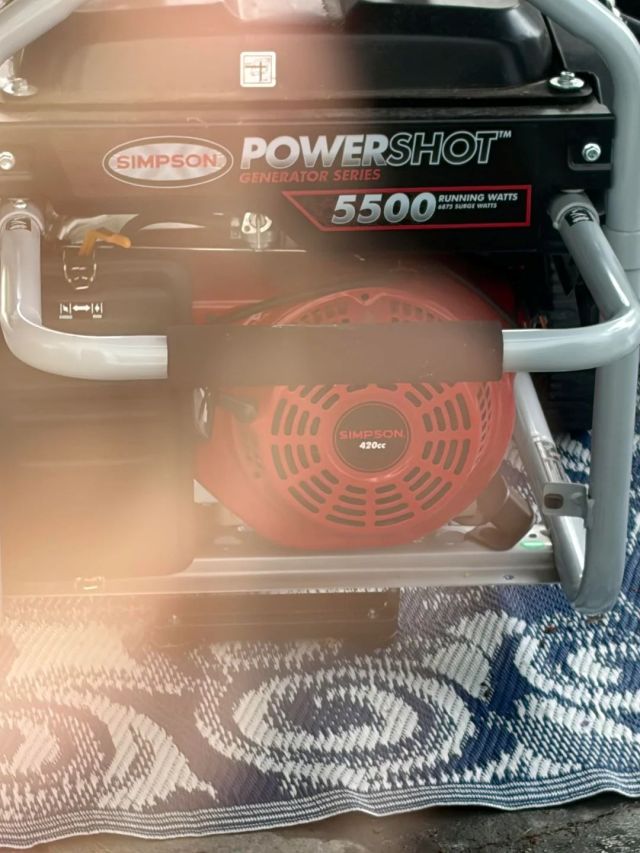
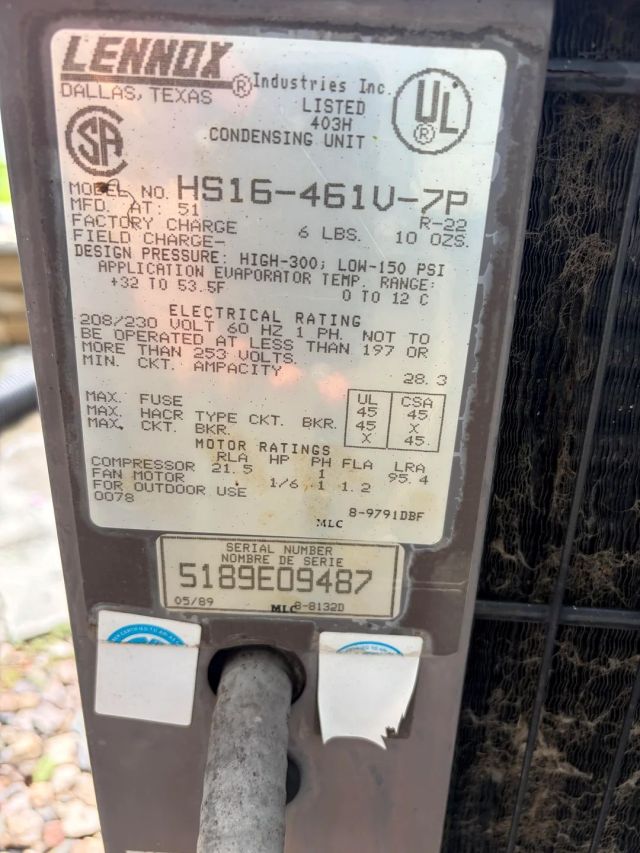
Trying to figure out whether that warning was right, the poster asked if it was "underpowered and could seriously damage our AC. How can I know for sure?"
Much of the response focused on two separate concerns: whether the generator provided the correct voltage and whether it could handle the AC's startup surge.
One commenter said the model they found appeared to be 120-volt only, which would mean it "could not have run a 240volt air conditioner."
TCD Picks » Quince Spotlight
💡These best-sellers from Quince deliver affordable, sustainable luxury for all




Other replies stressed the much larger burst of power a compressor needs at startup. One commenter put it simply: "It wouldn't handle the inrush current on compressor startup."
More background
Questions like this come up often when homeowners are preparing for storms or thinking through outage plans.
Running-watt numbers are easy to compare when shopping, but central air is one of the harder household loads for a generator to deal with because motors need a sharp surge of power to get moving.
That is why a generator may seem capable of supporting much of a home — including lights, electronics, and perhaps a refrigerator or two — and then fail as soon as the AC compressor tries to start.
Recognizing that mismatch can help homeowners avoid buying a generator that is too small for central air, wasting fuel on repeated failed starts, or spending more than necessary when the real goal is only to keep essential items powered.
It may also lower the chance of panic-buying the wrong backup equipment after a frustrating outage.
What can be done?
A good starting point is to compare the generator's specifications directly with the air conditioner's nameplate.
Homeowners should verify whether the AC needs 240 volts, how much electricity it uses while running, and how much surge or locked-rotor current it may require when starting.
If the generator cannot supply the needed voltage or startup capacity, it may be smarter to reserve it for essentials such as refrigeration, lights, fans, and device charging. That can still protect food, improve comfort, and lower outage-related costs without overloading the machine.
It may also be worth having a licensed electrician or HVAC professional look at the setup before the next outage.

Get TCD's free newsletters for easy tips, smart advice, and a chance to earn $5,000 toward home upgrades. To see more stories like this one, change your Google preferences here.







