


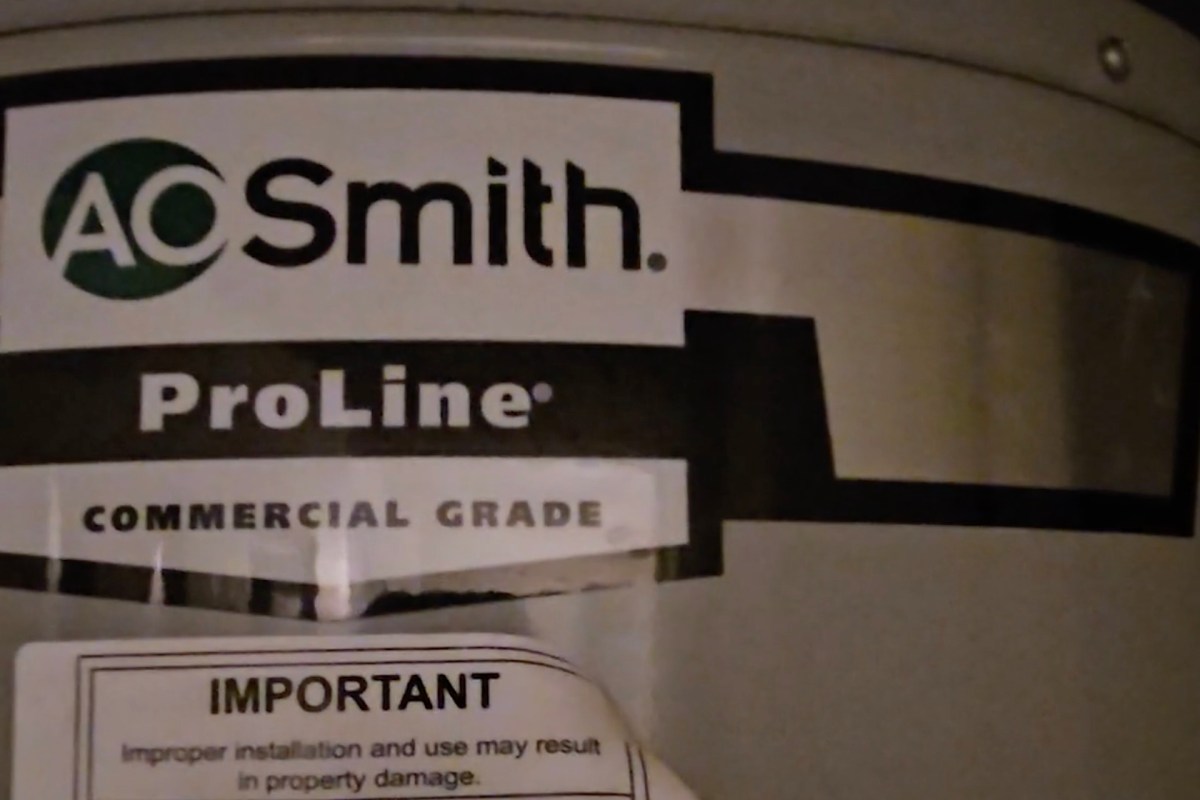
A renter seeking advice before going back to a landlord said a water heater started making a strange whining and hissing sound whenever hot water ran anywhere in the house — a problem that briefly stopped after the tank was flushed, then returned at the same volume.
For renters, that kind of issue can be especially frustrating, since they may hear the warning signs but have little control over the repair process.
For households with replacement options, upgrading to a heat pump water heater can also bring significant utility savings. These systems use far less electricity than standard electric resistance models, which can translate into noticeably lower energy bills.
Here's what to know
One key detail in the post was that the noise stopped after the unit was flushed, then came back.
The renter described the issue this way: "Hot water heater is making this whining/hissing noise while only the hot water is on anywhere in the house," adding that a landlord's handyman had flushed the tank before it returned "at the same level of volume."
(Click here if the embedded video does not appear.)
Replies centered on two different possibilities. One commenter said it "could be a very small pinhole leak," while another suggested, "sounds like air in the system maybe the t and p valve popped open?"
The original poster said, "It was utterly silent for the week after flushing and there's no water leaks anywhere that I can see," which shifted attention away from an obvious leak and toward the possibility that the temperature-and-pressure relief valve had been affected during the flush.
Crushed by your bills? See instant solar savings from vetted installers in just a few clicks With energy prices through the roof, there's never been a better time to go solar — and EasyHome can help you find the best prices from the best installers in your area. EasyHome takes the guesswork and headaches out of energy upgrades by showing you estimated savings from a network of vetted local partners. To get started, just enter your ZIP and share a few details about your home — seeing your estimate is really that easy. |

A temporary improvement after flushing can sometimes point to sediment or pressure-related issues, though an online thread alone is not enough to confirm a diagnosis. Water heater noises can stem from several causes, and determining the exact problem typically requires an in-person inspection.
More background
Noisy water heaters are more than just an annoyance. Sediment buildup can reduce efficiency, force tanks to work harder, and shorten the lifespan of the appliance, all of which can drive up energy use and potentially lead to bigger repair bills.
Many renters are expected to pay utility bills without having full authority to make money-saving home improvements.
Landlords across the country have been noted for preventing renters from adopting cost-cutting lifestyle changes, including gardening and hanging clotheslines to dry laundry, while major equipment upgrades are often even harder to negotiate.
That often means a tenant's role is limited to tracking symptoms and pressing for follow-up rather than selecting the repair.
In this case, the original poster said the tank was six years old and asked whether the valve could be due for replacement after being opened during the flush.
What can be done?
The most realistic next step for a renter is to keep documenting exactly when the noise happens and share those details with the landlord in writing.
Because the sound appears only when hot water is running and temporarily disappears after a flush, that timeline could help a licensed plumber narrow down whether the issue involves sediment, pressure, trapped air, or a failing valve.
If replacement does become an option, newer technology may offer a better path than simply swapping in another conventional tank.
Cala makes smart heat pump water heaters designed to learn a home's hot-water usage and adjust heating based on when water is actually needed. Its customizable system can use information such as household usage patterns and energy prices to plan when and how quickly to heat water, helping homeowners lower energy bills by heating water exactly when it's needed. That approach can also help households take advantage of lower-cost electricity periods while maintaining a supply of hot water.
That type of upgrade will not be available to every renter, but it shows what is possible when owners invest in better equipment instead of repeatedly treating symptoms.
Cala is one example of how smarter water-heating technology can go beyond simply replacing a failing tank, using predictive controls to balance energy savings with a household's hot water needs.

Get TCD's free newsletters for easy tips, smart advice, and a chance to earn $5,000 toward home upgrades. To see more stories like this one, change your Google preferences here.






