


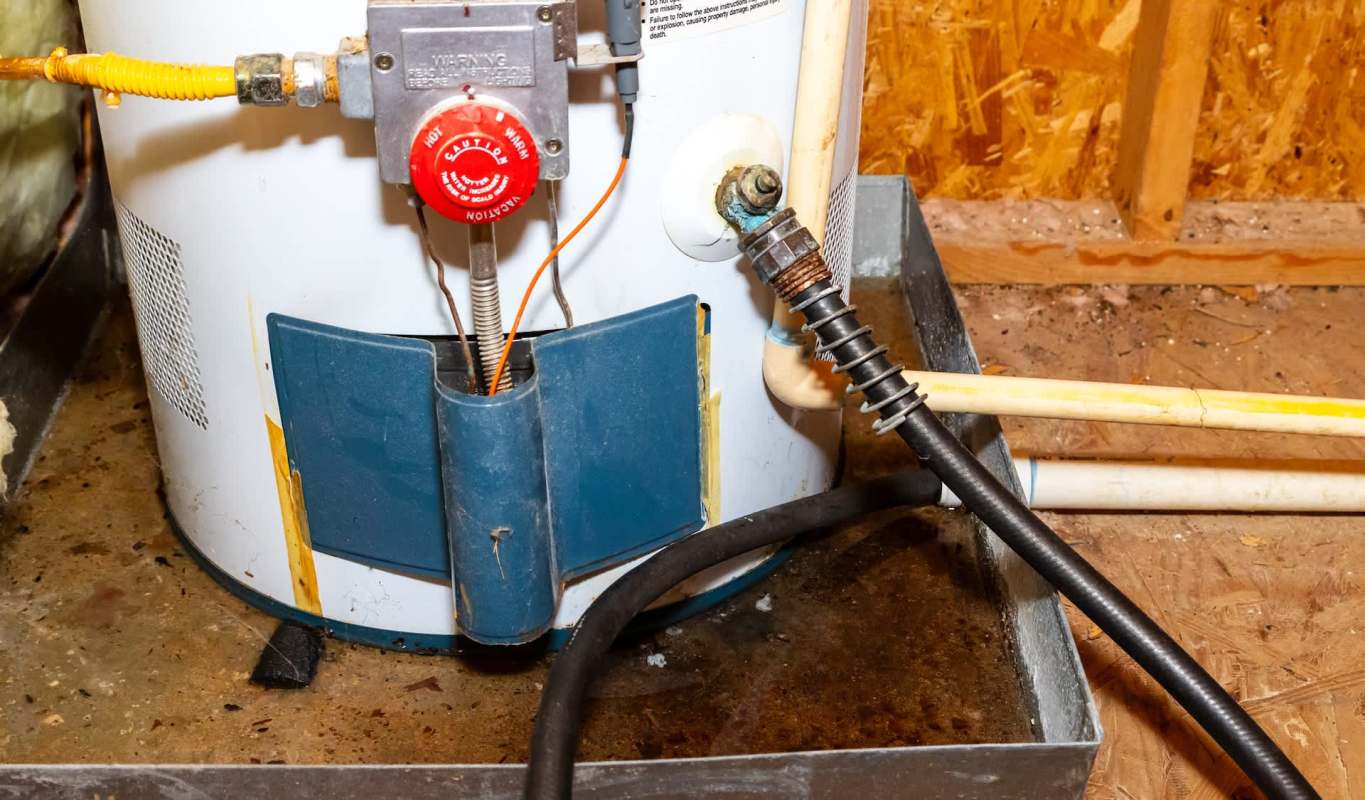
A leaking water heater is a problem anywhere in a house, but one in an attic can become especially costly in a hurry.
Ceiling drips in a closet led one homeowner to a much bigger issue above: an attic water heater sitting in pooled water and leaking.
Here's what to know
The homeowner described the first signs this way: "We just noticed today some water drops around a ceiling light in the closet. When we checked in the attic, we saw there was a pool of water around the hot water heater and its constantly dripping. How can we fix this issue? Why is this happening?"
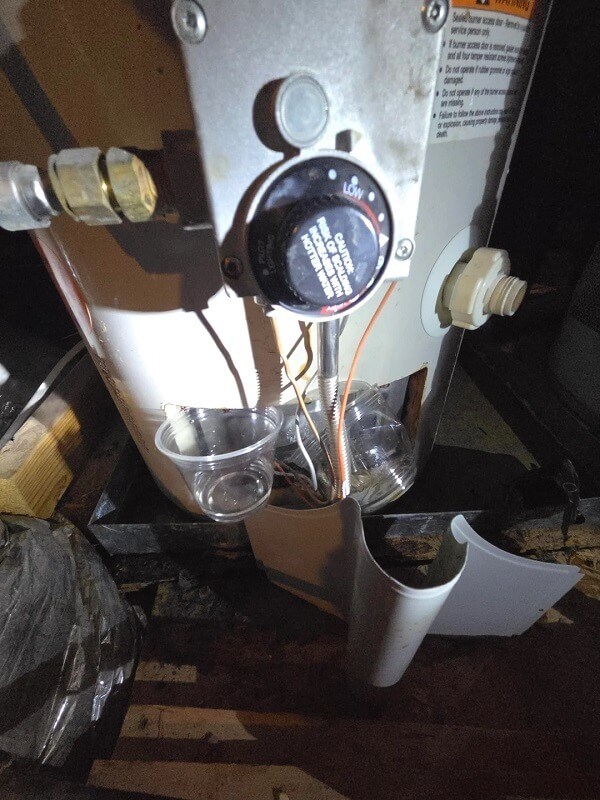
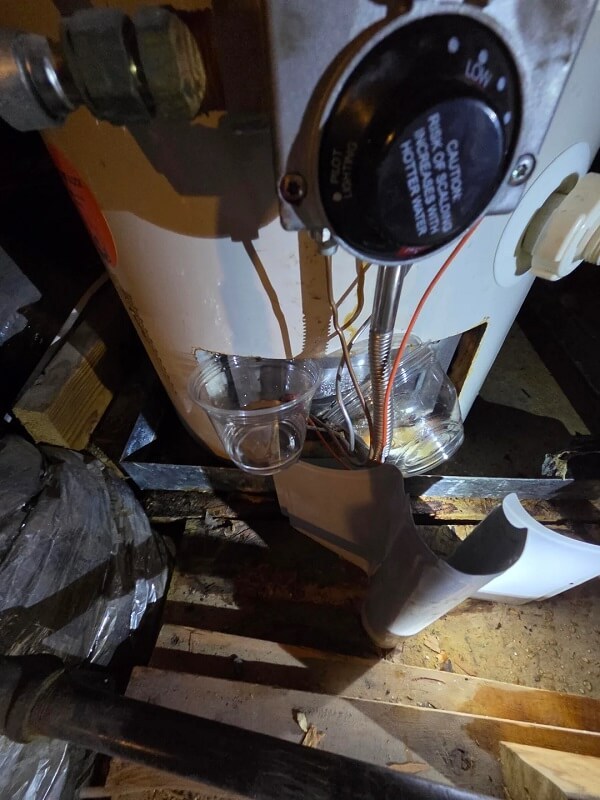
Replies to the Reddit post focused on urgency, with several people warning that an attic leak can quickly damage whatever is directly beneath the unit if left alone.
Water heating is one of the biggest energy costs in many homes, so a failure can also be an opportunity to upgrade instead of simply swapping in another inefficient tank.
More background
A commenter began with a basic possibility: "Has it rained hard recently?"
They noted a "slight possibility rain could have dripped down the exhaust pipe and along the side of the tank."
That same reply said an older unit is more often leaking for a worse reason: "More commonly, if it's an old tank, it's got a hole in the tank."
Save $10,000 on solar panels without even sharing your phone number Want to go solar but not sure who to trust? EnergySage has your back with free and transparent quotes from fully vetted providers in your area. To get started, just answer a few questions about your home — no phone number required. Within a day or two, EnergySage will email you the best options for your needs, and their expert advisers can help you compare quotes and pick a winner. Solar panels can save you more than $50k over their 25-year lifespan, and EnergySage can help you save as much as $10k on installation. Which begs the question — isn't that worth an email or two? |

If so, replacement is usually the fix rather than repair.
To keep more water from escaping, one commenter advised shutting off the heater's water supply, attaching a hose to the drain valve, running it outside or to a tub, and opening a downstairs hot-water faucet so air can enter the tank as it drains.
In an attic, a leak can stay hidden until water starts showing up in drywall or around fixtures below, turning a plumbing problem into a much broader repair bill.
What can be done?
First, stop the water and limit the damage, then bring in professional help. A plumber or qualified technician can sort out whether the moisture is related to the vent or whether the tank itself has failed.
If replacement is needed, it may be worth comparing newer high-efficiency options instead of defaulting to the same setup. Depending on where you live, rebates and lower monthly operating costs can help offset the upfront price of a more efficient system.
For homeowners facing that choice, Cala can provide long-term savings and reliability.
In other words, a stressful leak can still become a money-saving upgrade if the replacement is chosen carefully.
One commenter put it bluntly: "Better have a service call quick. Don't want it destroy anything below."
Another commenter added, "A small problem can QUICKLY become huge. Not something to snooze on…"

Get TCD's free newsletters for easy tips, smart advice, and a chance to earn $5,000 toward home upgrades. To see more stories like this one, change your Google preferences here.







