


The scale of billionaire wealth can be difficult to understand until it is translated into spending.
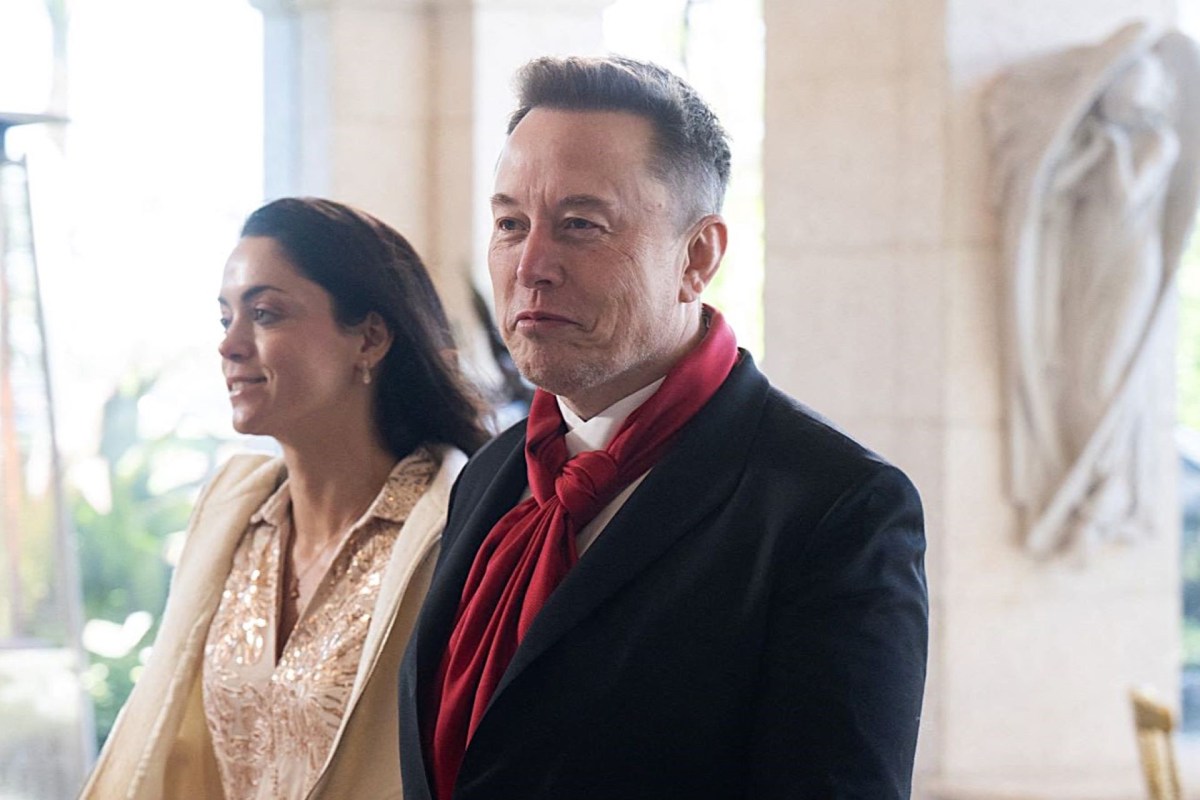
Based on his estimated fortune, Elon Musk could reportedly spend $27 billion every year for 30 years before running out of money.
For families struggling to cover rent, groceries, and utility bills, that figure is more than shocking. It is a stark reminder of how far extreme wealth can sit from the financial realities many people face every day.
Here's what to know
Using a Forbes estimate of $817.2 billion, cited by MoneyLion, Musk's fortune would last 817 years at a rate of $1 billion spent per year, with about $200 million still remaining.
The report also highlighted Jeff Bezos, whose net worth was estimated at $257.3 billion, as another case of wealth so large that routine spending would barely chip away at it.
Citing 2024 Bureau of Labor Statistics data, the average household spent $78,535 a year, while households in the top fifth spent $150,342 on average. Their average income was $316,100.
TCD Picks » Quince Spotlight
💡These best-sellers from Quince deliver affordable, sustainable luxury for all




For households at the bottom of the income range, average income was $18,460, while spending averaged $35,046.
Those figures show that higher earners, on average, spent less than half of what they earned, while lower-income households spent more than they earned.
Chad Cummings, a Certified Public Accountant and lawyer at Cummings & Cummings Law, explained that enormous fortunes are often tied up in assets rather than cash.
"What this means is that a person can be very wealthy 'on paper,' but have little-to-no liquidity," he said.
More background
Net worth differs from money sitting in a checking account, and Cummings noted that selling major assets "can trigger tax, disclosure, market, and governance consequences."
Musk is one example of that dynamic. According to Livemint, only about 0.1% of his total wealth may be held in cash and cash equivalents — still more than $8 billion, but only a small share of his total wealth.
The BBC reported that Musk has described living more austerely after spending roughly $100 million on seven homes over about seven years.
Bezos, meanwhile, has remained a more visible example of luxury spending. Vanity Fair reported that his wedding to Lauren Sánchez in 2025 cost an estimated $10.3 million, and GOBankingRates reported that he owns a $500 million yacht.
Even if those purchases account for only a sliver of his wealth, they reflect a resource-intensive lifestyle at a time when many communities are grappling with affordability challenges.
A large asset total does not always mean liquid cash, and even a solid income can disappear quickly without a plan.
Cummings summed up the scale of elite spending this way: "To use some numbers, a typical ultrawealthy household may spend $20 million to $100 million in an ordinary year without buying a major trophy asset."

Get TCD's free newsletters for easy tips, smart advice, and a chance to earn $5,000 toward home upgrades. To see more stories like this one, change your Google preferences here.






