


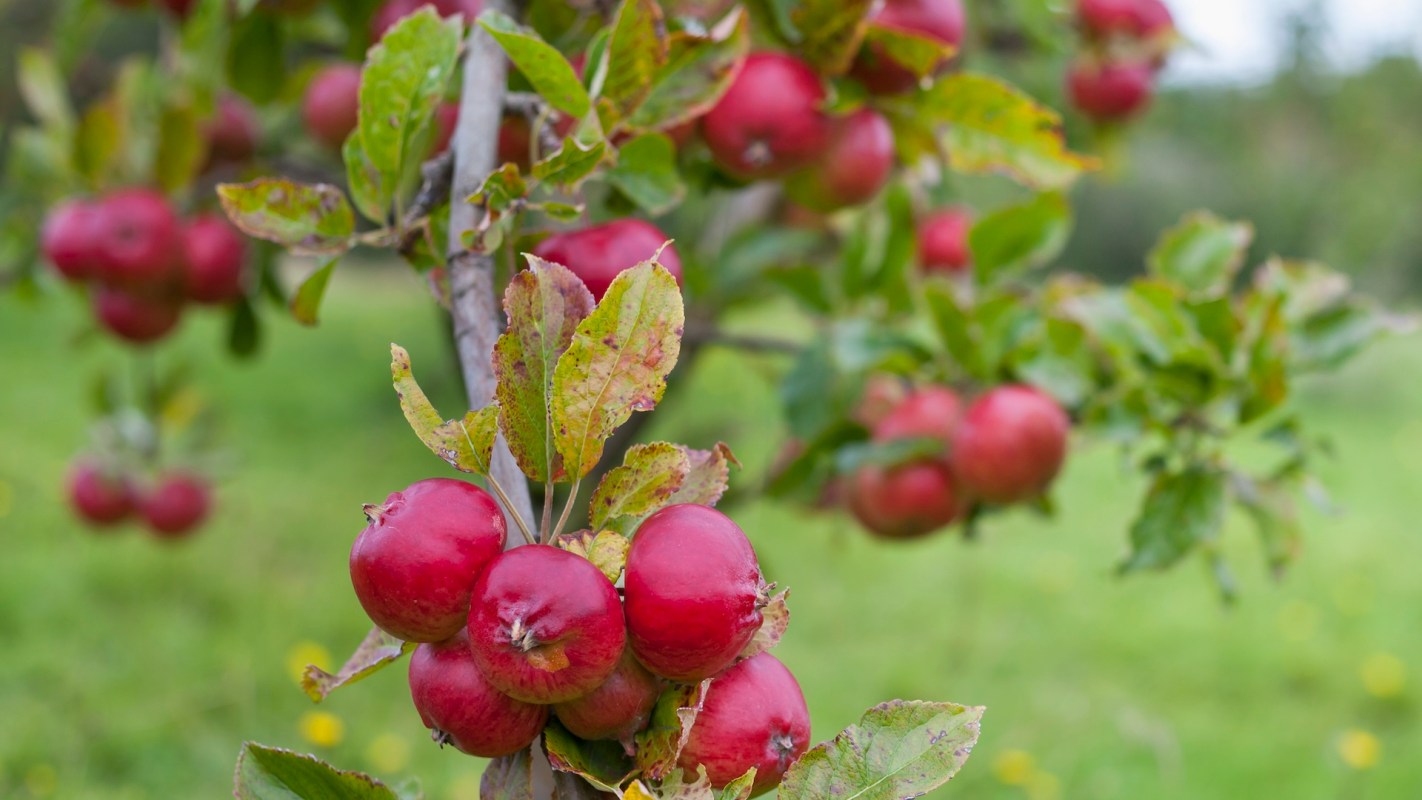
A backyard apple tree may sound picturesque, but one dispute between neighbors in the U.K. is showing how poor garden upkeep can quickly spiral into a costly legal mess.
After a fight with a neighbor over apples landing again and again across the property line before decaying, one homeowner is now on the hook for a nearly $273,000 (£200,000) legal bill.
Here's what to know
According to the Birmingham Mail, the dispute centered on apple tree owner Antoinette Williams and her neighbor, Barbara Pilcher, after Williams' 40-foot tree dropped large amounts of apples onto Pilcher's lawn each year.
Williams told the court that Pilcher had "fabricated" evidence, but the High Court rejected that accusation and ordered her to pay the $273,000. Williams' later attempt to reopen the matter was also unsuccessful, per the Birmingham Mail.
Boundary plants and trees frequently become a source of tension between neighbors. As Toolstation explained, "When branches, vines, or roots from one neighbour's tree or plant extend into the neighboring property, it can lead to disagreements over potential damage to structures, blocked views, or the burden of maintenance."
More background
Garden design and maintenance can affect upkeep costs, water use, neighborhood relationships, and legal risk.
TCD Picks » Quince Spotlight
💡These best-sellers from Quince deliver affordable, sustainable luxury for all




Disagreements may begin when one neighbor wants a tree pruned or removed, but the owner sees it as important for shade, privacy, or appearance.
Proactive planning is especially important for anyone dealing with larger trees, fast-growing hedges, or spreading roots near a property line. Checking ownership boundaries and understanding local rules can also help prevent costly surprises.
And when a property line is involved, communication matters as much as landscaping.
In many cases, replacing part of a conventional lawn with lower-maintenance landscaping can reduce upkeep, save time and money, and lower water bills while still creating an appealing outdoor space.
Homeowners dealing with high-maintenance yards have several practical options. Native plants are often among the best choices because they are adapted to local conditions and typically require less mowing, watering, and fertilizing. Clover lawns, buffalo grass, and xeriscaping can also help reduce chores and costs.
Even replacing only part of a lawn can bring those benefits. Swapping out one section of turf for native ground cover or drought-friendly plants can cut water use and make a yard easier to manage without requiring a full redesign.

Get TCD's free newsletters for easy tips, smart advice, and a chance to earn $5,000 toward home upgrades. To see more stories like this one, change your Google preferences here.







