


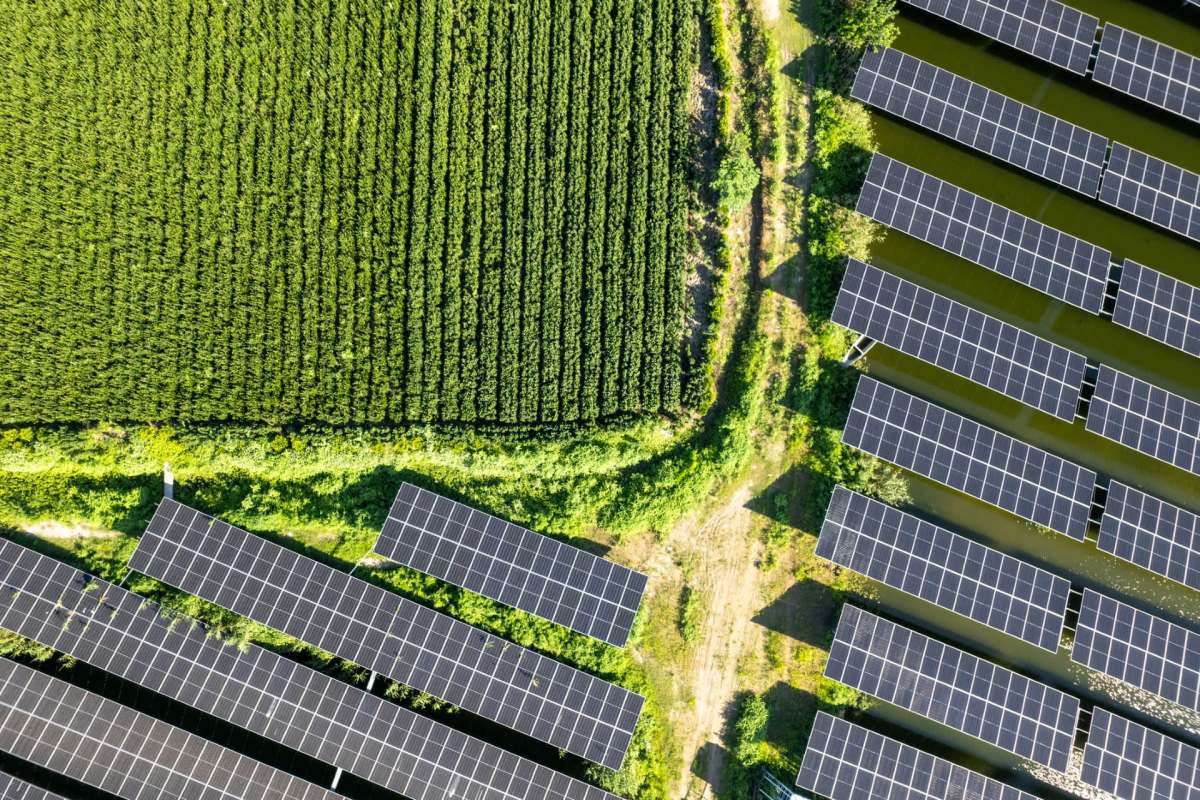
A dispute over a massive solar proposal in North Yorkshire, U.K., is expanding beyond a local land-use fight and into a broader debate over transparency in energy policy.
Campaigners say newly disclosed communications between government officials and a major developer warrant closer scrutiny, even as the U.K. works to expand affordable clean energy.
Here's what to know
According to The Northern Echo, Rooftops Not Countryside is using documents released through Freedom of Information requests to question why the proposed 500-megawatt Light Valley Solar Scheme near Selby came to be presented as part of the country's energy requirements.
Among the records are meetings between Department of Energy Security and Net Zero officials and Macquarie Group, The Northern Echo reported. Macquarie's subsidiary, Island Green Power, is developing Light Valley and several other large solar projects.
Campaigners say the key issue is what followed those discussions: Energy Minister Michael Shanks MP relayed target changes to grid operator NESO, which they argue helped projects like Light Valley fit more neatly within national policy, the outlet reported.
During a Planning Inspectorate hearing, campaigner Louise Billingham said: "We believe this raises serious questions about whether the case for national need, underpinning this application, reflects independent, objective assessment by NESO, or whether it has been shaped by direct lobbying from the very developer seeking consent."
TCD Picks » Quince Spotlight
💡These best-sellers from Quince deliver affordable, sustainable luxury for all




More background
Island Green Power UK Ltd is seeking a development consent order for what The Northern Echo described as a seven-site solar development covering 1,020 hectares between York and Selby. The proposal also includes a 500-megawatt battery energy storage system, which can store electricity generated during sunny periods and release it when demand is higher.
Solar power paired with battery storage can help stabilize the grid, reduce dependence on expensive fossil fuels, and lower energy costs for households and businesses.
Cleaner electricity can also reduce air pollution tied to conventional power generation, offering potential public health benefits alongside lower planet-warming pollution.
At the same time, projects of this size often draw strong local opposition over the use of farmland, the effect on views, and the concentration of development in rural communities.
Billingham, as quoted by the outlet, said she supports clean energy in principle but believes the scale of this proposal puts too much pressure on one area.
NESO pushed back on the overall criticism, saying: "NESO rejects any suggestion that its independent analysis or advice has been influenced by any individual developer. We engage regularly with stakeholders across the energy sector, but that engagement does not unduly influence NESO's objective advice or assessments".
The project is still moving through the U.K.'s planning system, where local concerns, national energy priorities, and environmental impacts are weighed before a final decision is made.
The debate centers on the push for low-cost renewable energy and public trust in the approval process. The objections include calls for more transparency, more careful siting, and greater use of rooftops, warehouses, and other already developed spaces where possible.

Get TCD's free newsletters for easy tips, smart advice, and a chance to earn $5,000 toward home upgrades. To see more stories like this one, change your Google preferences here.






