


A notable change is taking shape on Kenya's coastline. Fishers who once treated sea turtles as food or a source of income are now increasingly involved in protecting them.
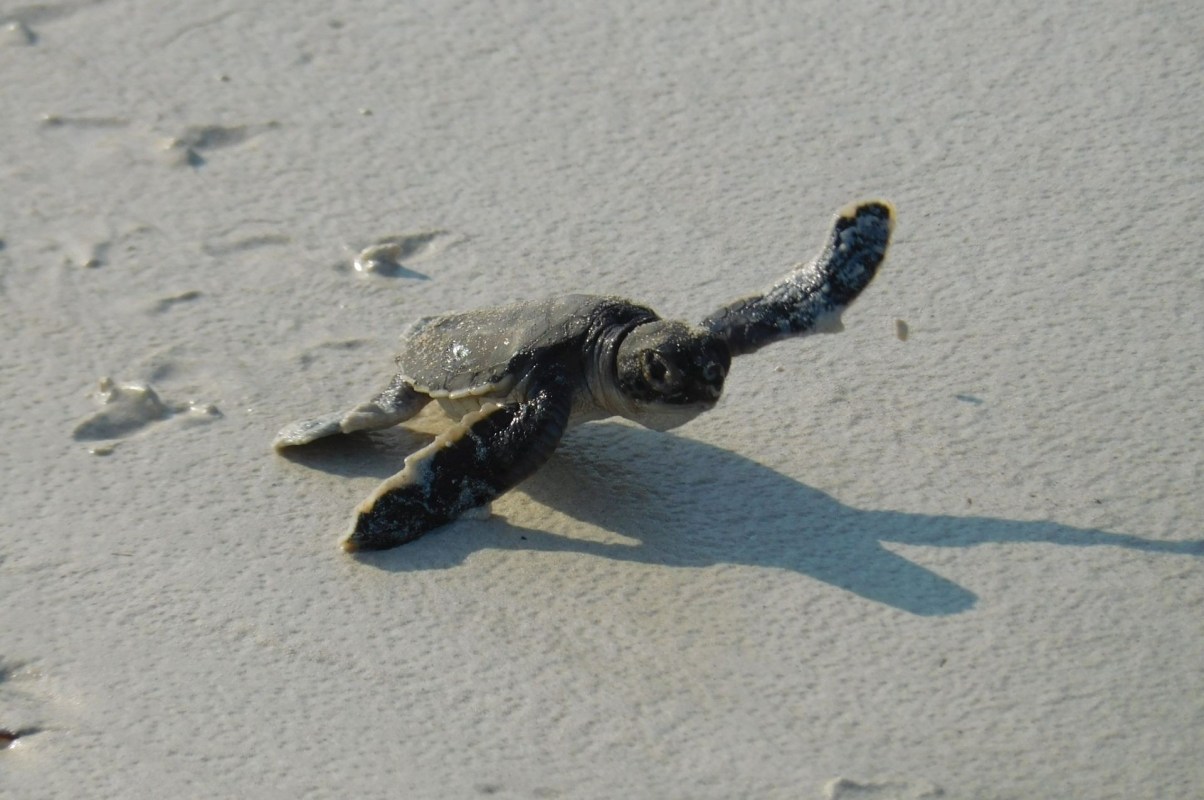
In one notable instance, fisherman Angore Kahindi found two turtle hatchlings tangled in his net and called local experts for help saving them.
Here's what to know
According to the Christian Science Monitor, after discovering the turtles, Kahindi reached out to Fikiri Kiponda, who runs the bycatch release program at nonprofit Local Ocean Conservation. Kiponda came quickly, logged the hatchlings' sizes, and put them back in the sea. As the outlet reported, rescues like this in Watamu in Kenya are part of a long-running local effort that depends on fishers reporting turtles caught by accident.
The collaboration reflects how much attitudes in the area have changed.
"We used to kill turtles," Kahindi said to the outlet. "Now, we've become conservationists."
Sea turtles face long odds from the moment they hatch. Only about 1 in 1,000 is expected to survive to adulthood, and even those that do must contend with predators, fishing nets, coastal development, pollution, and warming seas, the Christian Science Monitor reported.
TCD Picks » Quince Spotlight
💡These best-sellers from Quince deliver affordable, sustainable luxury for all




Several species are at particularly high risk. Hawksbills are critically endangered, while olive ridley, loggerhead, and leatherback turtles are classified as vulnerable, according to the outlet.
Local Ocean Conservation founding director Nicky Parazzi called sea turtles "a keystone species and key indicators of ocean health."
More background
Kiponda's commitment to this work grew out of a personal turning point.
A nighttime encounter with turtle hatchlings in 2005 redirected his life. Before that, according to the Christian Science Monitor, Kiponda had trained in accounting and taken a hotel job in Watamu, but he said the work "wasn't really fulfilling." He later joined Local Ocean Conservation and has now spent nearly two decades helping rescue turtles and return them to the ocean.
Turtles help stabilize reef ecosystems by influencing fish populations and seagrass.
Healthy reefs, seagrass systems, and mangrove habitats can help support a more resilient future for fisheries and shorelines alike, benefiting communities that depend on strong ocean ecosystems.
The effort also relies heavily on trust.
Marine biologist Joey Ngunu told the outlet the network now includes more than 100 fishers. He said tough anti-poaching penalties can make some people reluctant to admit they caught a turtle, which makes strong local relationships vital to getting rescues done.
What's being done?
Local Ocean Conservation's strategy extends beyond emergency releases.
To make reporting a catch less costly, Kiponda compensates fishers for their time and for damage to their nets. That helps ease the economic strain and makes participation in conservation work more practical.
Community liaison volunteer Khamis Omar often assists with turtle releases and told the Christian Science Monitor that protecting the environment today "will benefit even the coming generation." In nearby Mida Creek, community member Omar Said has taken part in mangrove restoration and said, "I want to be an example to the rest."

Get TCD's free newsletters for easy tips, smart advice, and a chance to earn $5,000 toward home upgrades. To see more stories like this one, change your Google preferences here.







