


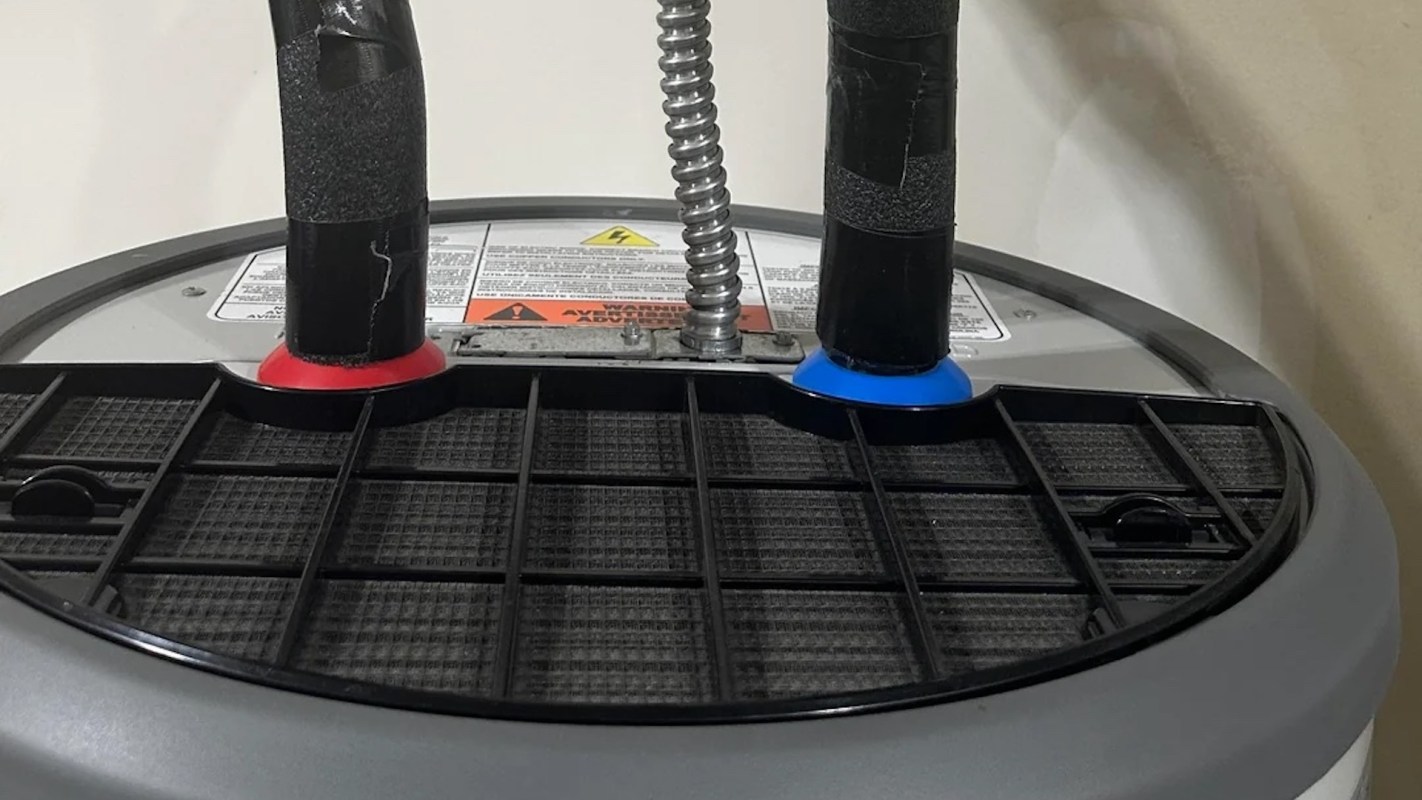
A first-time homeowner discovered that their water heater had no thermal expansion tank and that the home's pressure-reducing valve had never been calibrated — two issues that could lead to damaged pipes and expensive service calls.
Here's what to know
The homeowner took to Reddit to explain the situation and ask for advice.
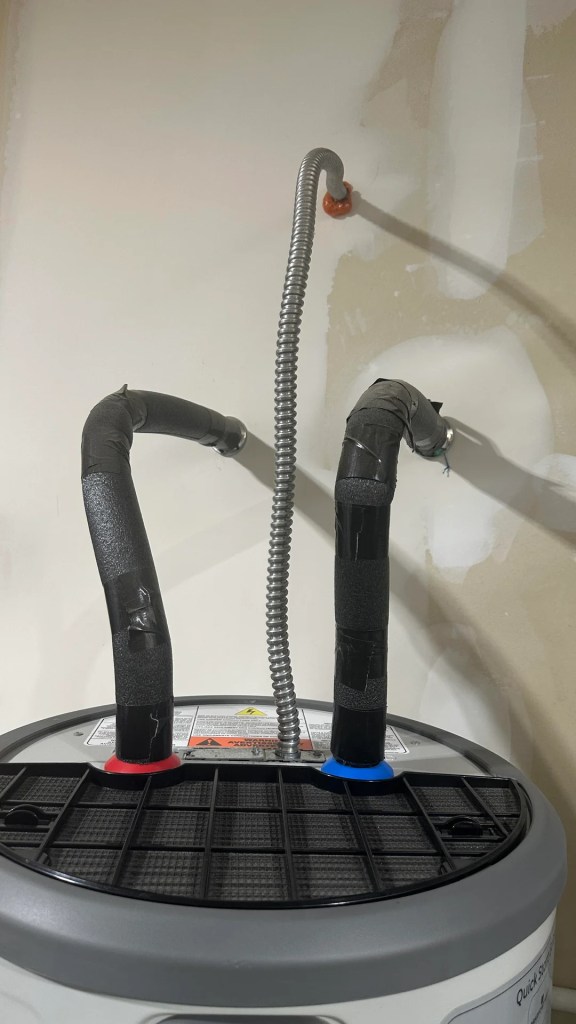
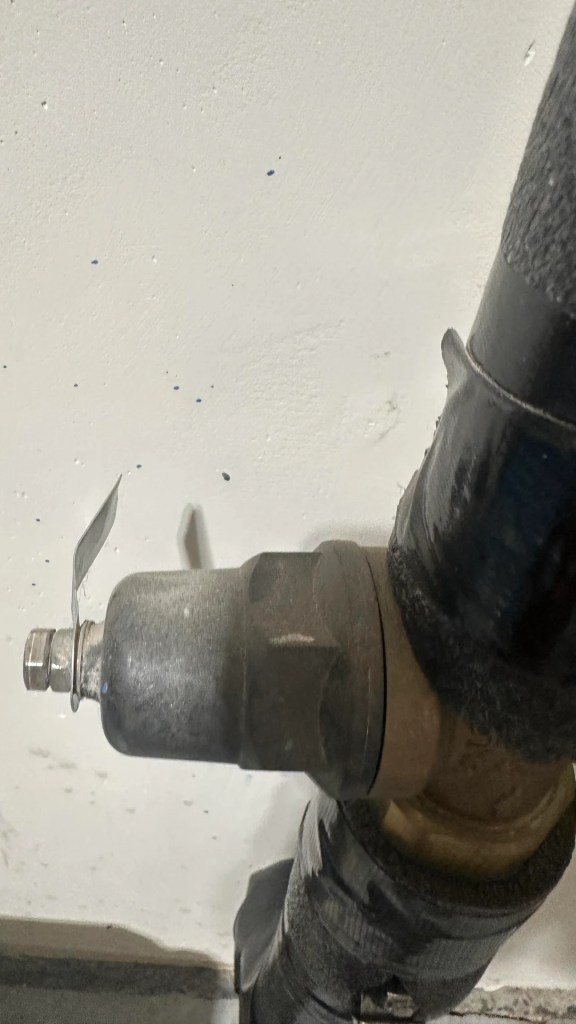
Because the house was built in 2019, the homeowner wondered whether several years without the correct equipment might already have caused plumbing issues. "Should I be worried that high water pressure [over the] last 7 years damaged my pipes?" they wrote.
The replies were generally less worried about past pipe damage than the homeowner was. One commenter replied, "I wouldn't worry too much about the past pressure as long as you don't have drippy faucets."
The homeowner pointed to another place where problems often show up first: "It's not for your pipes. It's for your valves." Repeated thermal expansion can put wear on fixtures and on the pressure-reducing valve itself.
Stories like this are an important reminder to regularly check on your vital home appliances. If you notice anything out of place, it is best to seek advice online or from professionals.
If issues end up requiring a full replacement, there are modern, ultra-efficient water heater upgrades that can often save homeowners a significant amount on energy bills.
More background
Much of the discussion came down to when a thermal expansion tank is actually needed. The tank gives heated water extra room as it expands, which helps limit pressure changes inside the plumbing system.
Save $10,000 on solar panels without even sharing your phone number Want to go solar but not sure who to trust? EnergySage has your back with free and transparent quotes from fully vetted providers in your area. To get started, just answer a few questions about your home — no phone number required. Within a day or two, EnergySage will email you the best options for your needs, and their expert advisers can help you compare quotes and pick a winner. Solar panels can save you more than $50k over their 25-year lifespan, and EnergySage can help you save as much as $10k on installation. Which begs the question — isn't that worth an email or two? |

Commenters said that city-water homes are not always truly closed systems, but a pressure-reducing valve can change how the system behaves. In that setup, a home may function more like a closed or semi-closed system, making an expansion tank more likely to be necessary.
Repeated pressure swings can quietly wear down components long before a pipe bursts. Homeowners may first notice dripping faucets, noisy toilets, or a valve that starts acting up, and even those smaller failures can lead to repair bills and wasted water.
What can be done?
For homeowners in a similar situation, the first steps are usually simple: measure water pressure, watch for dripping fixtures or run-on toilets, and contact a plumber to see if the issues are worth fixing. It also helps to verify that the tank is properly sized and charged to match the home's water pressure.
If the water heater itself is aging, it might be time to replace it. Luckily, the water heater experts at Cala can help.
Cala makes customizable smart heat pump water heaters that are designed to learn your water heating habits in order to save you as much as possible on your energy bills.

Get TCD's free newsletters for easy tips, smart advice, and a chance to earn $5,000 toward home upgrades. To see more stories like this one, change your Google preferences here.







