


Concern is rising in Vermont over a rule change by the Trump administration that could clear the way for more development and extraction in wildlife habitat, raising new worries about endangered species.
In a state where plants and animals rely on intact forests and connected ecosystems, experts said the change may make it harder to protect vulnerable species before habitat is damaged.
Here's what to know
The change centers on how the Endangered Species Act defines "harm," a standard the administration has now narrowed, VTDigger reported through Community News Service, the University of Vermont's journalism internship. Previously, major habitat destruction could qualify as harm. Under the revised approach, drilling, mining, and logging could move forward in habitat as long as protected animals are not directly injured or killed.
Patrick Parenteau, whom Community News Service described as Vermont Law and Graduate School's professor of law emeritus and senior climate policy fellow, summed up the concern clearly: "[These species are] listed because of loss of habitat, and that's really difficult to restore and recover from."
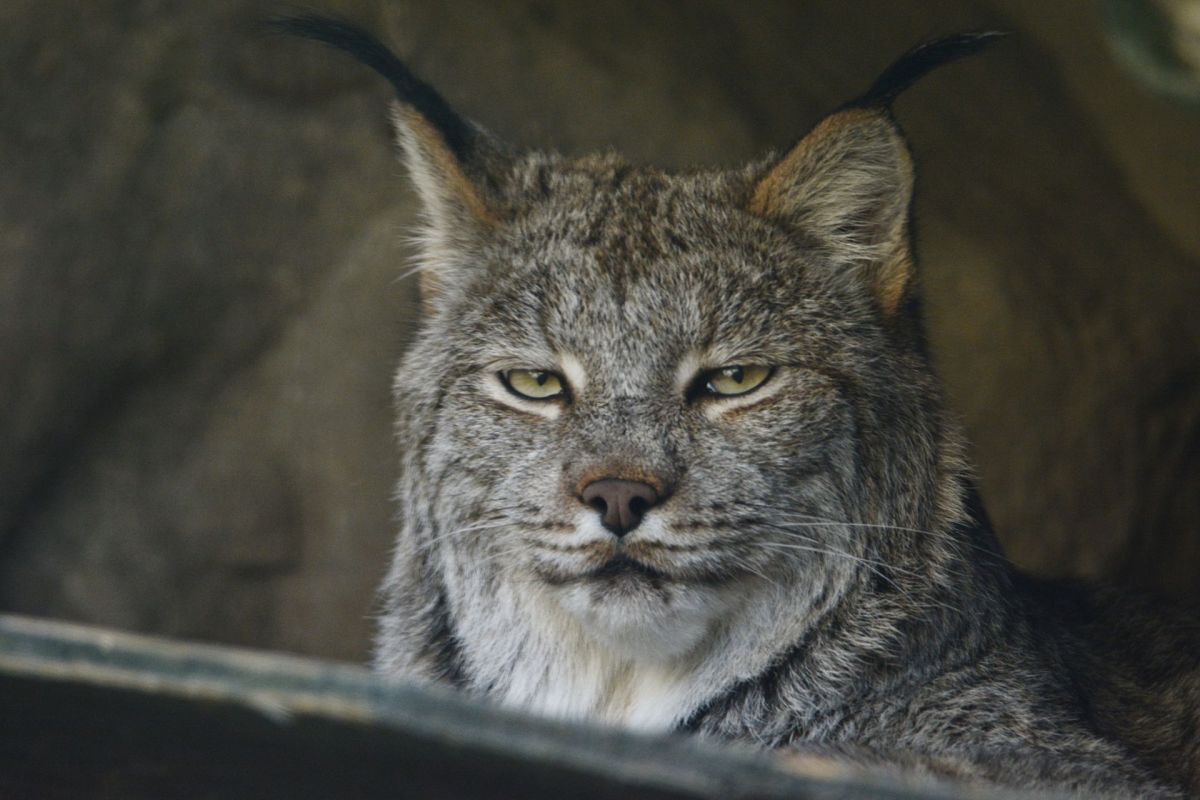
Vermont is home to seven federally listed animal species and three federally listed plant species, including the Canadian lynx and Jesup's milk-vetch, a rare plant known only from Vermont and New Hampshire.
The federal rule is scheduled to take effect on Sept. 14, though environmental groups have already filed suit in an effort to block it.
TCD Picks » Quince Spotlight
💡These best-sellers from Quince deliver affordable, sustainable luxury for all




More background
Federal safeguards are not the only ones in place: Vermont maintains its own endangered species system. Its list includes 71 endangered plants and 39 endangered animals, along with 93 threatened plants and 17 threatened animals.
Still, experts say a weaker federal standard could have consequences in Vermont because wildlife does not stop at state lines. Bryan Pfeiffer, a field naturalist who serves on the state's Endangered Species Committee, noted that wide-ranging species such as the Canadian lynx depend on connected habitat stretching across multiple states.
"Imagine you're on an airplane. You've taken a vacation, and you're on your return flight home, only to find that the airport where you expect to land is now gone," Pfeiffer said. "In many ways, that's what this is like: You can damage habitat while a species is not there and still imperil the species."
What's being done?
Legal challenges are already underway. Christophe Courchesne, who leads Vermont Law and Graduate School's Environmental Law Center, said he does not believe the change stands on firm legal ground.
"The Endangered Species Act itself does not permit this kind of wholesale rollback of the act's science-based protections of species habitat that are inherent in allowing species to recover from the brink of extinction," Courchesne said.
At the state level, conservation advocates are working to strengthen Vermont's own safeguards. Tara Miller, the Vermont Natural Resources Council's forest and wildlife program director, said the organization is focused on programs that reduce forest fragmentation and preserve connected habitat.
Courchesne also warned that Vermont may need to step in if federal agencies pull back. "Going forward, the state will need to be vigilant to enforce state law," he said.
Miller added, "Things are always a balance, but it's really important to have these regulations as an opportunity both to review projects and make sure that they're what we want, for our needs, for our values and our communities."

Get TCD's free newsletters for easy tips, smart advice, and a chance to earn $5,000 toward home upgrades. To see more stories like this one, change your Google preferences here.






