


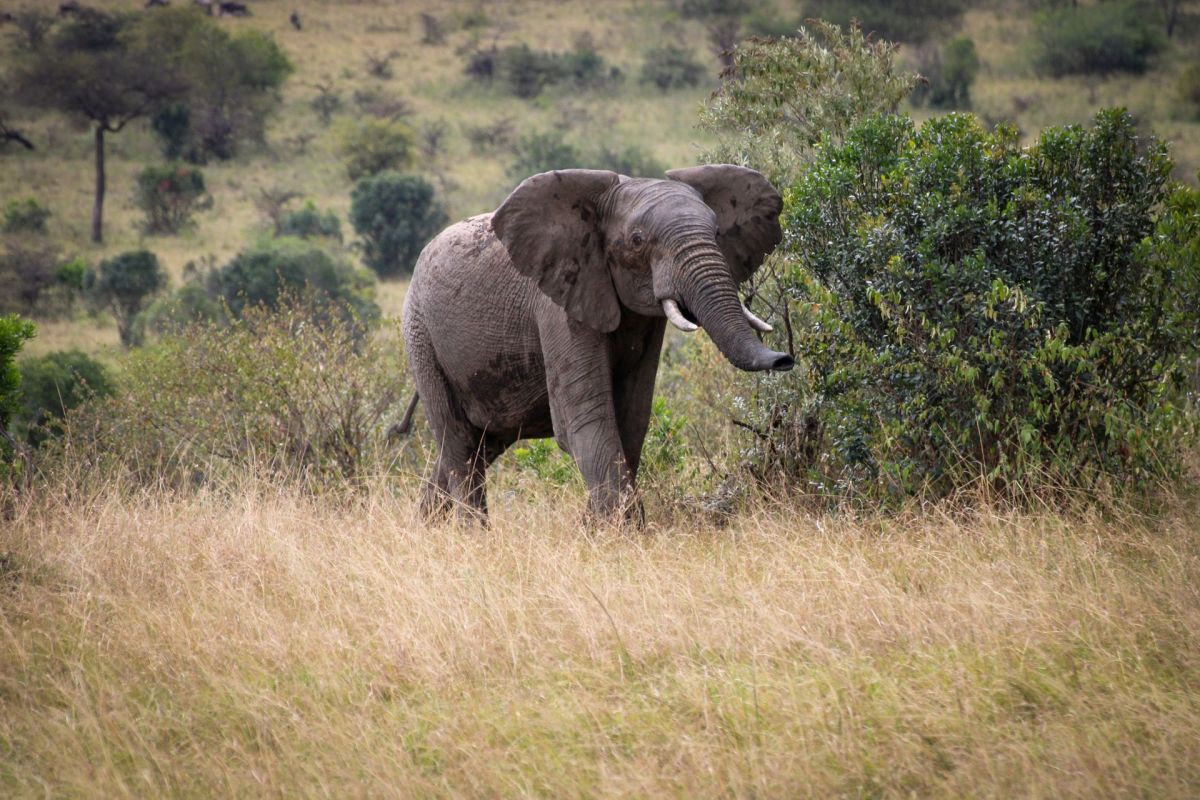
A troubling mystery is unfolding in southern Kenya, where elephants are dying in a major wildlife landscape near Mount Kilimanjaro and the Tanzanian border.
Another baffling detail is what happens after the deaths: vultures and hyenas have been seen feeding on the carcasses without obvious signs of illness, a pattern that undercuts a straightforward poisoning theory.
Here's what to know
At least 19 elephants have died in the region since June, and Patrick Papatiti, head of operations for Olgulului communal lands, said the local toll has risen to 20.
Euronews reported that preliminary analyses raised the possibility of cyanide exposure from pesticides used on nearby farms, but field observers say that theory does not fully fit what they have seen.
According to Papatiti, affected elephants become restless, then struggle to walk and breathe, before collapsing and becoming unable to stand. "They lie down until they die."
More background
Although the die-off comes in the wake of Kenya's severe 2022 drought, local observers say the present conditions do not suggest the elephants are succumbing to a shortage of food or water.
TCD Picks » Quince Spotlight
💡These best-sellers from Quince deliver affordable, sustainable luxury for all




Papatiti said, "Currently, we have abundant pasture around, we have water close to where these elephants go. We have protection within the ecosystem that we work."
With pasture and water reportedly available, and scavengers not visibly falling ill after feeding on carcasses, the pattern does not point neatly to drought stress or to a simple poisoning event. Investigators may be dealing with something more complicated.
Farmers in Kimana are also trying to understand what is happening.
What's being done?
Wildlife authorities and experts are investigating the deaths, and the cause remains unresolved.
Officials have not settled on a single explanation that accounts for both the elephants' symptoms and the lack of visible harm to animals feeding on the carcasses.
Monitoring where the elephants died, how long symptoms lasted, and which species are interacting with the remains could help narrow down whether investigators are dealing with toxins, disease, or another environmental trigger.
Faster testing and close coordination among conservation managers, veterinary experts, and residents can help authorities identify risks before they spread to other animals.
"How do we know if this is going to translate into going to livestock? Then when it gets to livestock, it is going to get to the community, local community around," Papatiti said. "So, how much are we going to lose until we fight to stop this happening?"

Get TCD's free newsletters for easy tips, smart advice, and a chance to earn $5,000 toward home upgrades. To see more stories like this one, change your Google preferences here.






