


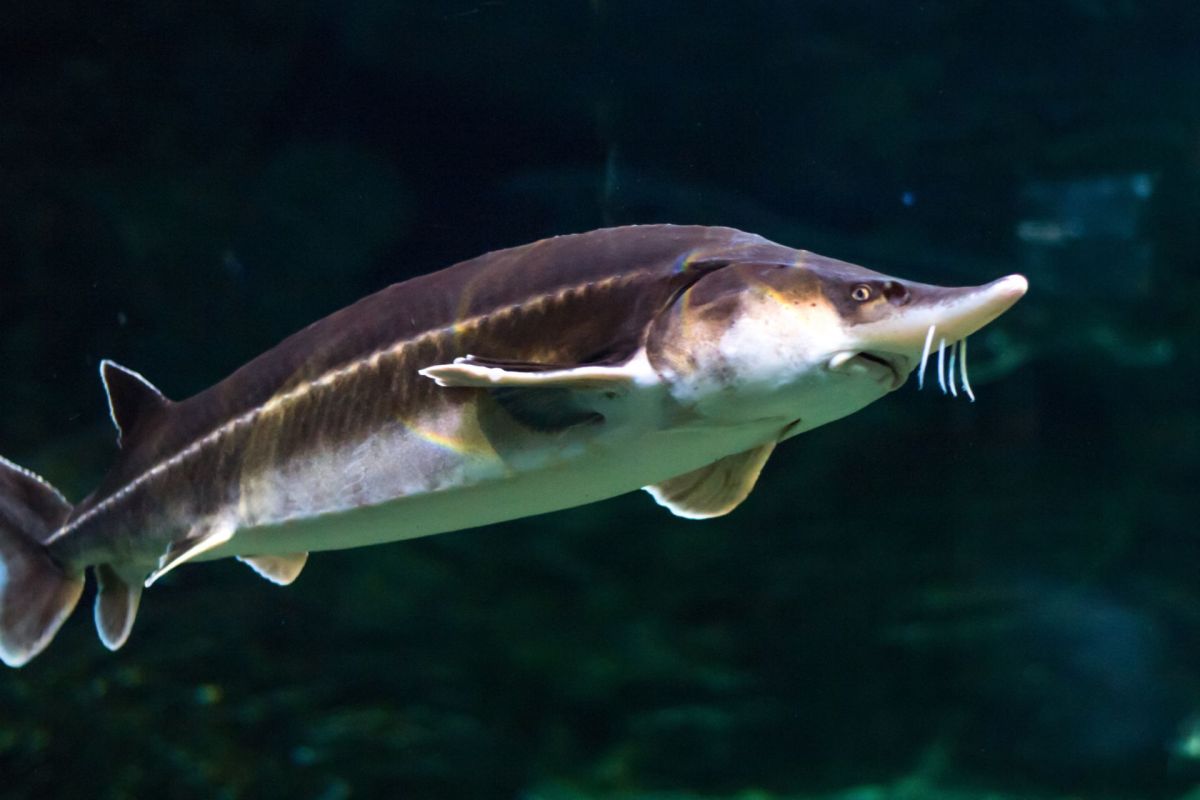
Great Lakes anglers who come across a lake sturgeon may be looking at one of the oldest animals in North America. New research suggests some of these massive fish could be more than 200 years old, with the oldest individuals potentially nearing 300.
As Wodne Sprawy detailed, that means a fish swimming beneath the surface today may have already been alive during the Civil War era, or even earlier.
Here's what to know
A 2026 study in the Journal of Fish Biology found that earlier estimates of lake sturgeon lifespan were likely too low.
Scientists found that the traditional method of estimating age by counting growth rings in fin rays becomes less reliable in very old fish. Instead, researchers used large databases of tagged sturgeon and applied growth models similar to those used in longevity studies of Greenland sharks, another cold-water species known for extreme lifespans.
That means certain lake sturgeon in the Great Lakes may surpass 200 years of age, with a small number possibly nearing 300, Wodne Sprawy noted.
Lake sturgeon were previously thought to top out at around 150 years, with males often living far less than that. Revising those estimates changes how scientists understand the species' biology, overall population health, and the timeline needed for recovery.
TCD Picks » Quince Spotlight
💡These best-sellers from Quince deliver affordable, sustainable luxury for all




Their biology also helps explain the slow pace of recovery. Lake sturgeon live near the bottom, feed slowly on prey such as snails, mussels, and fish eggs, and have the slow metabolism common to other long-lived cold-water fish, researchers said.
More background
Lake sturgeon are endangered and have a long history of overexploitation, Wodne Sprawy said. Lake Erie alone saw annual harvests above 4.85 million pounds in the latter half of the 19th century, largely for meat and roe.
By the beginning of the 20th century, many fisheries had nearly collapsed. If these fish truly live for centuries, the loss of mature adults carries even greater consequences than previously understood.
A single large sturgeon may represent generations of survival and an essential part of future reproduction. When a species matures slowly and can live for centuries, regulations, conservation timelines, and habitat protection all need to reflect that pace.
Better science can help shape fishery rules, restoration priorities, and stewardship of the freshwater ecosystems that support recreation, local economies, and food systems.
What's being done?
Restoration work has been underway in the Great Lakes since 2001, Wodne Sprawy reported.
Conservation teams collect eggs and sperm from adult fish, fertilize them artificially, and raise young sturgeon in hatcheries to help rebuild depleted populations. The challenge is that lake sturgeon recovery is slow by nature.
Males become sexually mature at about age 10, whereas females may not do so until roughly 24 to 26. Even then, spawning happens only once every few years, the outlet said.
Successful recovery depends as much on intervention. Protecting habitat, reducing human pressure, and allowing adults to survive long enough to reproduce are all central to rebuilding populations.
Treating these fish as living history is not an exaggeration. If some are truly centuries old, every surviving adult becomes far more valuable to the species' future than its size alone would suggest.

Get TCD's free newsletters for easy tips, smart advice, and a chance to earn $5,000 toward home upgrades. To see more stories like this one, change your Google preferences here.






