


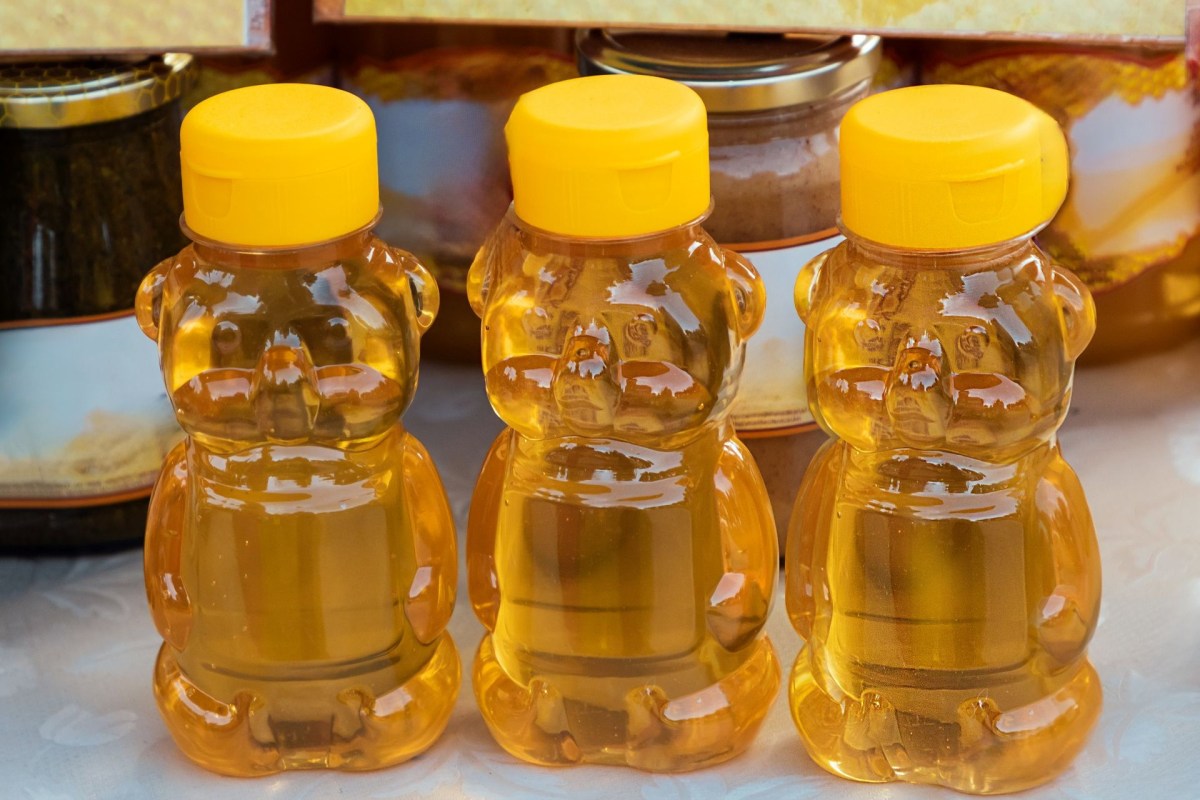
A 2.5-ton honey donation is set to do more than be a delicious sweetener for tea and toast in Pennsylvania. Nearly 10,000 bottles are being routed to local pantries, turning a major corporate gift into direct support for households that could use some extra help putting food on the table.
The effort puts one surplus product donation to work in two ways at once: helping families while keeping perfectly usable food in circulation instead of letting it go to waste.
Here's what to know
Sioux Honey Co-op and Giant Eagle donated nearly 5,000 pounds of Sue Bee Clover Honey to the Pittsburgh nonprofit, 412 Food Rescue.
TribLIVE reported that donated honey will go to food pantries. The donation is part of the "Sharing Sweetness" initiative, a nationwide effort to provide honey to local causes working to fight hunger.
For food distribution programs, items that last can be especially useful. Because honey keeps well, unlike perishable foods that can go bad quickly, pantries have more flexibility in deciding when and how to use it.
Food rescue is not limited to fresh produce or restaurant leftovers. Large-scale contributions from brands and manufacturers can play an important role in reducing waste while providing useful food to people who need it.
TCD Picks » Quince Spotlight
💡These best-sellers from Quince deliver affordable, sustainable luxury for all




A bottle of honey can add flavor, calories, and versatility to meals and snacks without creating another cost for an already tight budget.
More background
Redirecting surplus products instead of discarding them addresses both food insecurity and food waste. Communities benefit from resources that might otherwise go unused.
Honey is a particularly practical item in that equation. It has various cooking uses, including in baking, on bread, in oatmeal, in drinks, and in marinades, making it easier for pantries to distribute something many households will immediately recognize and know how to use.
This all ties back to the efforts of pollinators as well — the project used an estimated 3.7 million honeybees, highlighting how important these pollinators are for our food supply and ecosystems.
What's being done?
Food rescue groups identify excess food, coordinate logistics, and deliver usable products to the people who can benefit most from them. In this case, a food rescue group is acting as the bridge between a major donor and pantry networks on the ground.
Even generous donations have limited impact if organizations cannot sort, store, and distribute them efficiently. Food rescue groups help ensure large gifts turn into practical access for families.
Consumers can also reinforce this kind of progress by paying attention to which companies support meaningful community efforts and food-waste solutions. If you want to encourage more programs like this, check out ways to support eco-friendly initiatives by mainstream brands.
The donation may be measured in tons and bottle counts, but its real value is far more personal: a pantry staple reaching kitchens instead of going to waste.

Get TCD's free newsletters for easy tips, smart advice, and a chance to earn $5,000 toward home upgrades. To see more stories like this one, change your Google preferences here.







