


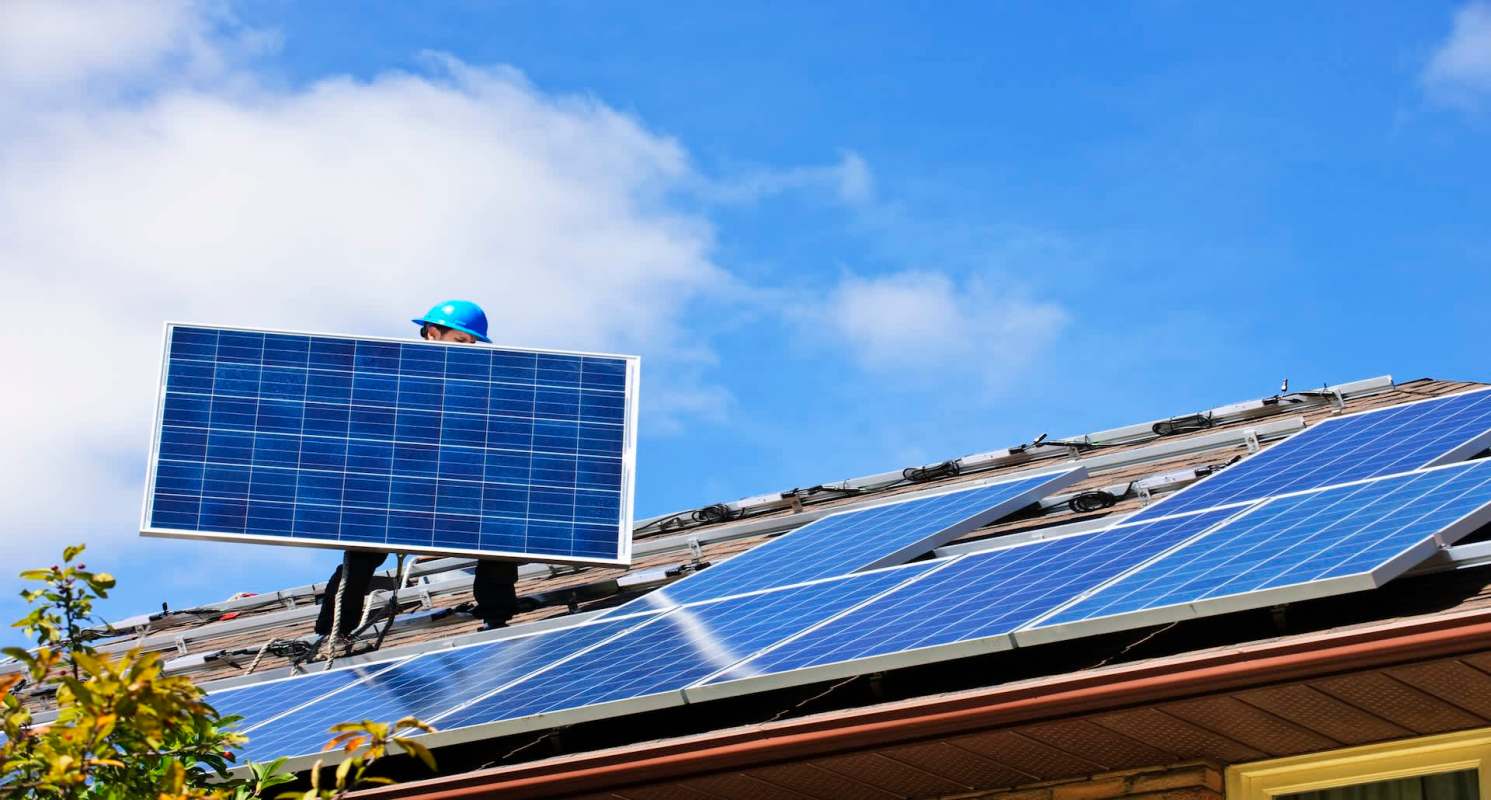
The United States residential solar business is heading into a sharper-than-expected reset. A major federal incentive that helped many families afford rooftop panels has disappeared, and solar installers are now being forced to show whether they can survive without it.
For homeowners, that raises a practical concern alongside the political one: Is it still safe to move forward with a solar company if the rules can change this quickly?
Here's what to know
In an essay for Fast Company, Chris Hopper, co-founder of Aurora Solar, described a jarring shift in federal policy. The piece says the One Big Beautiful Bill Act (OBBBA) ended the 30% tax credit for homeowners installing residential solar on January 1, 2026, with no gradual phase-down beforehand.
The credit had long reduced the upfront cost of installing solar panels.
Hopper acknowledged that incentives played a major role in helping the market grow, writing, "Government incentives played an important role in helping solar reach more homeowners. They accelerated adoption, created jobs, and helped prove residential solar could scale."
Instead of a short-term setback, installers may be facing a more fundamental test of staying power — one in which pricing, efficiency, trust, and customer value matter more than the expectation of sustained policy support.
TCD Picks » Quince Spotlight
💡These best-sellers from Quince deliver affordable, sustainable luxury for all




More background
For many households, rooftop panels can also mean lower utility bills, more predictable energy costs, and a measure of resilience as electricity prices continue to fluctuate.
Fewer installations mean fewer homes producing pollution-free electricity and fewer families gaining access to the savings that helped make solar more attractive in the first place.
However, the credit was never something the industry could rely on forever. As Hopper wrote, "They were ripped away too quickly and with too little warning, but let's be clear: They always had an expiration date."
What can be done?
Homeowners who are considering solar can vet installers by asking how long a company has been in business, whether it handles installations directly or uses subcontractors, what warranties are included, and how service would be handled if business conditions worsen.
Even with major federal support, running the numbers can help show whether a system still makes sense based on projected utility savings, roof condition, financing terms, and local incentives.
For solar companies, survival may depend on building a business that can deliver value even in an unfavorable policy environment. That could mean improving installation efficiency, reducing soft costs, and focusing more on customer experience rather than relying on subsidies to close deals.
The broader challenge for the industry will be keeping solar accessible even as Washington pulls back.
"Markets change. Policies evolve. Customer expectations shift," Hopper said. "Companies that can create value even when the tides change dramatically are the ones who will survive these moments."

Get TCD's free newsletters for easy tips, smart advice, and a chance to earn $5,000 toward home upgrades. To see more stories like this one, change your Google preferences here.







